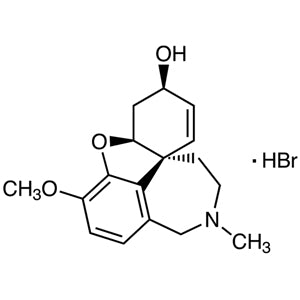
Reserpine is a potent alkaloid compound widely used in biochemical and pharmacological research. As a key reagent in life science laboratories, it plays a critical role in studying the mechanisms of the nervous system and the effects of drugs on biological systems. Its ability to inhibit specific neurotransmitters makes it an essential tool for neuropharmacological investigations. Reserpine is commonly employed to analyze the biological responses to pharmaceutical compounds and to assess neurotoxic effects in controlled environments. Its presence in Indonesian laboratories supports ongoing research in drug development and therapeutic applications.
Reserpine is valued for its chemical stability under certain conditions and its solubility in organic solvents such as ethyl acetate and ethanol. These properties simplify the preparation of solutions for experimental use, making it a preferred choice for researchers. The compound’s complex chemical structure ensures its effectiveness in various analytical techniques. Additionally, its strong pharmacological activity allows for precise experimental control, enabling scientists to study its impact on cellular and physiological processes with accuracy. These characteristics contribute to its widespread use in both academic and industrial research settings.
In Indonesian laboratories, Reserpine is utilized in drug-related research and therapeutic development projects. It is commonly found in research institutions and universities where scientists investigate the effects of pharmaceutical compounds on biological systems. The compound supports studies aimed at understanding neuropharmacological mechanisms and developing new therapeutic strategies. Its role in these settings underscores its importance in advancing scientific knowledge and innovation in the field of life sciences.
TCI brochures (PDF)
- Efflux Pump Research Reagents 2024-12-24 · p. 2
- Reagents for Preparing Animal Disease Models 2024-09-13 · p. 1
- Neurotransmission Research Reagents 2026-07-17 · p. 2
- Traditional Medicine/Crude Medicine Research Reagents 2024-09-11 · p. 1
- Alkaloids 2025-10-10 · p. 6
- Immunology Research Reagents 2026-06-03 · p. 8
- Neuropharmacological research utilizes Reserpine to study the effects of neurotransmitter inhibition on neural activity and behavior.
- Drug development projects employ Reserpine to evaluate the neurotoxic effects of pharmaceutical compounds and their interactions with biological systems.
- Biochemical experiments use Reserpine to investigate the mechanisms of drug action and the modulation of neurotransmitter pathways.
- Toxicology studies incorporate Reserpine to assess the impact of alkaloids on cellular and organ function under controlled conditions.
- Academic research in Indonesian universities relies on Reserpine to explore the pharmacological properties of alkaloids and their therapeutic potential.
| Brand | TCI |
|---|---|
| CAS number | 50-55-5 |
| Molecular formula | — |
| Purity | — |
| Category | Life Science > Biochemicals and Reagents > Alkaloids |
| Pack sizes | Available in standard laboratory quantities as per supplier specifications |
| Physical form | Solid powder |
| Storage | Store in a cool, dry place away from light and moisture |
Reserpine should be stored in a cool, dry environment, away from direct light and moisture to maintain its chemical stability. It is recommended to use airtight containers made of glass or high-density polyethylene to prevent contamination and degradation. Due to its potent pharmacological activity, it should be handled with care, using appropriate personal protective equipment such as gloves and safety goggles. Proper ventilation is essential when working with this compound to minimize exposure. Laboratories should ensure that Reserpine is kept in a secure location, out of reach of unauthorized personnel. Regular monitoring of storage conditions is necessary to maintain the integrity of the compound for reliable experimental results.
—
Product Categories
- Biochemicals and ReagentsAlkaloidsIndole Alkaloids
- Biochemicals and ReagentsAnimal Disease Models PreparationReagents for Central Nervous System Disease Models
- Biochemicals and ReagentsAnimal Disease Models PreparationReagents for Pain and Itch Models
- Biochemicals and ReagentsCrude Medicine Ingredients for Research and Experimental Use
- Biochemicals and ReagentsPharmaceutical Research Reagents (for Experimental Use)Antihypertensive Ingredients (for Research and Experimental Use)
- Biochemicals and ReagentsPharmaceutical Research Reagents (for Experimental Use)Neurotransmitter Agent Ingredients (for Research and Experimental Use)
- Cell BiologyCell Signaling and NeuroscienceNeuroscience
- Cell BiologyNutrition ResearchPhytochemicals
- MicrobiologyEfflux Pump ResearchEfflux Pump Inhibitors
- Pharmaceutical Development and Drug Discovery ResearchPharmaceutical Research Reagents (for Experimental Use)Antihypertensive Ingredients (for Research and Experimental Use)
- Pharmaceutical Development and Drug Discovery ResearchPharmaceutical Research Reagents (for Experimental Use)Neurotransmitter Agent Ingredients (for Research and Experimental Use)
- Pharmaceutical Development and Drug Discovery ResearchCrude Medicine Ingredients for Research and Experimental Use
Produk Terkait
-
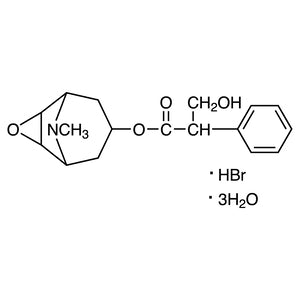
ScopolamineHydrobromideTrihydrate TCI S0021
Regular price From Rp 2.730.000,00Regular priceRp 1.924.650,00Sale price From Rp 2.730.000,00 -
(+)-Bicuculline TCI B1890
Regular price From Rp 1.140.300,00Regular priceRp 812.700,00Sale price From Rp 1.140.300,00 -
Atropine TCI A0754
Regular price From Rp 3.551.100,00Regular priceRp 2.499.000,00Sale price From Rp 3.551.100,00 -
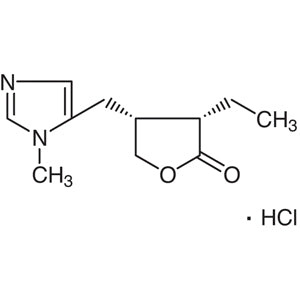
PilocarpineHydrochloride TCI P0434
Regular price From Rp 1.351.350,00Regular priceRp 960.750,00Sale price From Rp 1.351.350,00 -
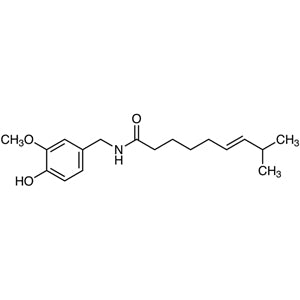
Capsaicin(Natural) TCI M1149
Regular price Rp 1.723.050,00Regular priceRp 1.220.100,00Sale price Rp 1.723.050,00 -
AtropineSulfateMonohydrate TCI A0550
Regular price From Rp 1.908.900,00Regular priceRp 1.350.300,00Sale price From Rp 1.908.900,00 -
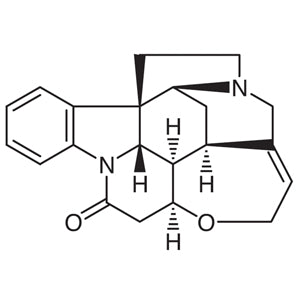
Strychnine TCI S0249
Regular price Rp 2.147.250,00Regular priceRp 1.517.250,00Sale price Rp 2.147.250,00 -
GalantamineHydrobromide TCI G0293
Regular price From Rp 3.445.050,00Regular priceRp 2.424.450,00Sale price From Rp 3.445.050,00