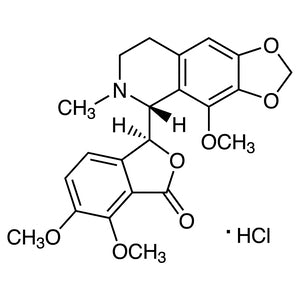
(+)-Bicuculline is a potent alkaloid widely used in life science research, particularly in the study of neural systems and neurobiology. This compound plays a critical role in investigating the mechanisms of GABA-A receptor inhibition, a key component of the central nervous system. Its application extends to understanding how neurons respond to various stimuli, making it an essential tool for researchers in neuropharmacology and toxicology. Due to its chemical stability and solubility in organic solvents, it is easily prepared for experimental use, ensuring consistent results in laboratory settings.
One of the key reasons (+)-Bicuculline is preferred is its high specificity in biological assays. This allows for precise measurement of physiological responses, which is crucial in drug development and neurochemical studies. Its dry form enhances safety during storage and simplifies handling, making it ideal for routine laboratory use. Additionally, its well-documented properties and consistent performance make it a reliable choice for reproducible scientific research.
In Indonesian laboratories, (+)-Bicuculline is commonly used in pharmacological, neurobiological, and toxicological studies. Researchers rely on this compound to explore the interactions between chemical substances and neural systems. Its versatility and reliability make it a go-to material for experiments requiring accurate and repeatable outcomes. The compound's role in advancing scientific understanding in these fields is well recognized among Indonesian research institutions.
Advantages (TCI brochure)
- Phthalide isoquinoline alkaloid isolated from Dicentra, Corydalis and Adlumia (Fumariaceae)
- Blocks GABAA receptors selectively
TCI brochures (PDF)
- Reagents for Preparing Animal Disease Models 2024-09-13 · p. 1
- Traditional Medicine/Crude Medicine Research Reagents 2024-09-11 · p. 1
- Alkaloids 2025-10-10 · p. 5
- Plant Research Reagents 2026-02-24 · p. 8
- Phytochemicals 2025-12-17 · p. 2
- Pharmaceutical Ingredients for Research and Experimental Use 2026-03-09 · p. 25
- Neuropharmacological research benefits from (+)-Bicuculline as it enables the study of GABA-A receptor modulation, aiding in the development of new therapeutic agents.
- Toxicological studies utilize this compound to assess the effects of chemical exposure on neural function, providing insights into potential neurotoxic effects.
- Neurobiological experiments rely on (+)-Bicuculline to investigate the mechanisms of synaptic transmission and neuronal signaling pathways.
- Pharmacological research employs this alkaloid to test the efficacy of drugs targeting the central nervous system, supporting drug discovery efforts.
- Biochemical assays use (+)-Bicuculline to evaluate receptor binding affinities, contributing to the understanding of neurotransmitter interactions.
| Brand | TCI |
|---|---|
| CAS number | 485-49-4 |
| Molecular formula | — |
| Purity | — |
| Category | Life Science > Biochemicals and Reagents > Alkaloids |
| Pack sizes | Available in various quantities as per supplier specifications |
| Physical form | Dry powder |
| Storage | Store in a cool, dry place away from light |
(+)-Bicuculline should be stored in a cool, dry environment, away from direct sunlight and moisture. It is recommended to use airtight containers to prevent contamination and maintain its chemical integrity. Due to its alkaloid nature, it is important to handle the compound with care, using appropriate personal protective equipment such as gloves and safety goggles. While it is generally stable under normal laboratory conditions, it should be kept out of reach of children and not exposed to incompatible substances. Proper labeling of storage containers is essential to ensure safe handling and prevent accidental exposure.
—
Product Categories
- Biochemicals and ReagentsAlkaloidsIsoquinoline Alkaloids
- Biochemicals and ReagentsAnimal Disease Models PreparationReagents for Central Nervous System Disease Models
- Biochemicals and ReagentsCrude Medicine Ingredients for Research and Experimental Use
- Biochemicals and ReagentsPharmaceutical Research Reagents (for Experimental Use)Neurotransmitter Agent Ingredients (for Research and Experimental Use)
- Cell BiologyImmune System, Inflammation, Allergy ResearchGABA Receptor Inhibitors
- Cell BiologyNutrition ResearchPhytochemicals
- Pharmaceutical Development and Drug Discovery ResearchPharmaceutical Research Reagents (for Experimental Use)Neurotransmitter Agent Ingredients (for Research and Experimental Use)
- Pharmaceutical Development and Drug Discovery ResearchCrude Medicine Ingredients for Research and Experimental Use
Produk Terkait
-
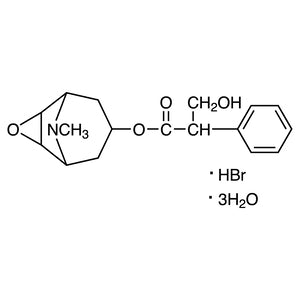
ScopolamineHydrobromideTrihydrate TCI S0021
Regular price From Rp 2.730.000,00Regular priceRp 1.924.650,00Sale price From Rp 2.730.000,00 -
Reserpine TCI R0007
Regular price Rp 1.988.700,00Regular priceRp 1.405.950,00Sale price Rp 1.988.700,00 -
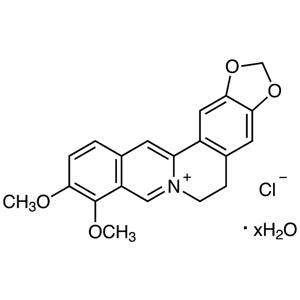
BerberineChlorideHydrate TCI B0450
Regular price From Rp 557.550,00Regular priceRp 405.300,00Sale price From Rp 557.550,00 -
Atropine TCI A0754
Regular price From Rp 3.551.100,00Regular priceRp 2.499.000,00Sale price From Rp 3.551.100,00 -
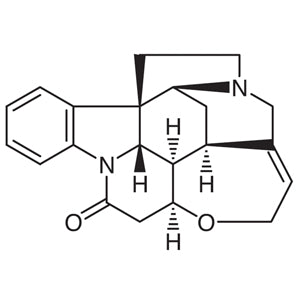
Strychnine TCI S0249
Regular price Rp 2.147.250,00Regular priceRp 1.517.250,00Sale price Rp 2.147.250,00 -
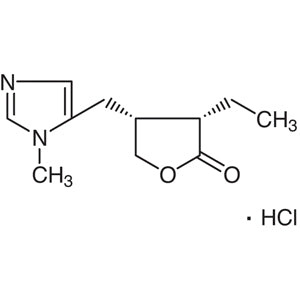
PilocarpineHydrochloride TCI P0434
Regular price From Rp 1.351.350,00Regular priceRp 960.750,00Sale price From Rp 1.351.350,00 -
NoscapineHydrochloride TCI N0963
Regular price Rp 3.392.550,00Regular priceRp 2.387.700,00Sale price Rp 3.392.550,00 -
AtropineSulfateMonohydrate TCI A0550
Regular price From Rp 1.908.900,00Regular priceRp 1.350.300,00Sale price From Rp 1.908.900,00