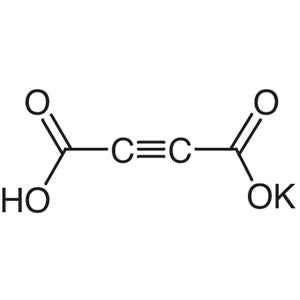
Acetylenedicarboxylic Acid Monopotassium Salt (CAS No. 928-04-1) is a chemical compound widely utilized in laboratory settings for its versatile reactivity and structural characteristics. As a building block in organic chemistry, it plays a crucial role in the synthesis of complex molecules, particularly in the development of heterocyclic compounds and other organic derivatives. Its unique molecular structure, featuring two carboxylic acid groups and a triple bond, makes it a valuable reagent in various synthetic pathways. This compound is commonly found in research laboratories where the preparation of new chemical entities is a primary focus.
The compound is known for its high solubility in organic solvents and its chemical stability under controlled conditions, which are essential properties for laboratory applications. These characteristics allow it to be used in a wide range of reactions that require both reactivity and stability. Its ability to participate in multiple reaction mechanisms, such as condensation and coupling reactions, further enhances its utility. The compound’s relatively high melting point also facilitates its isolation and purification processes in the lab, making it a reliable choice for synthetic chemists.
In Indonesian laboratories, this compound is frequently used in academic and research institutions. It is a key component in the study of organic synthesis, particularly in the development of new pharmaceuticals and materials. Its availability and performance make it an integral part of the chemical inventory in laboratories focused on synthetic chemistry and advanced research projects.
Related TCI products
- TCI A0088 142-45-0 Acetylenedicarboxylic Acid
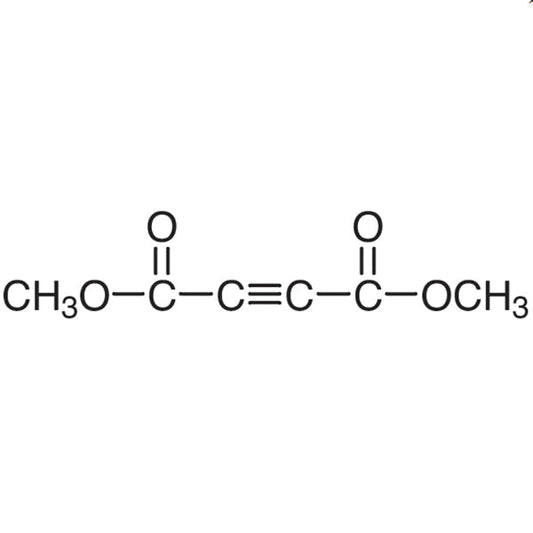
- TCI A0090 762-42-5 Dimethyl Acetylenedicarboxylate
- TCI A0089 762-21-0 Diethyl Acetylenedicarboxylate
- TCI A0337 842-15-9 Monopotassium 7-Amino-1,3-naphthalenedisulfonate Hydrate
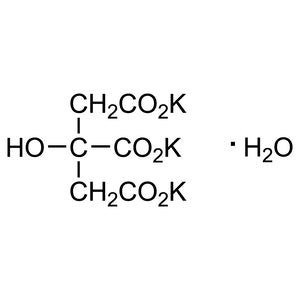
- TCI T4391 6100-05-6 Tripotassium Citrate Monohydrate
- TCI N0684 2549-47-5 Dimethyl 2,7-Naphthalenedicarboxylate
- Used in the synthesis of heterocyclic compounds due to its reactive functional groups and structural versatility.
- Applied in organic synthesis to create complex molecules through condensation and coupling reactions.
- Utilized in pharmaceutical research for the development of new drug compounds and chemical intermediates.
- Employed in material science for the preparation of polymers and functional materials with specific properties.
- Incorporated into analytical chemistry protocols for the study of reaction mechanisms and chemical behavior.
| Brand | TCI |
|---|---|
| CAS number | 928-04-1 |
| Molecular formula | — |
| Purity | — |
| Category | Chemistry > Building Blocks > Non-Heterocyclic Building Blocks |
| Pack sizes | Available in various quantities as per standard laboratory supply |
| Physical form | Solid powder |
| Storage | Store in a cool, dry place away from moisture and direct sunlight |
Acetylenedicarboxylic Acid Monopotassium Salt should be stored in a cool, dry environment to maintain its chemical stability. It is recommended to keep it in airtight containers to prevent exposure to moisture, which can affect its performance. The compound should be stored away from direct sunlight and heat sources to avoid degradation. In laboratory settings, it is important to handle the compound with appropriate personal protective equipment, such as gloves and safety goggles. Proper labeling of storage containers is essential for safe handling and to prevent accidental exposure. Regular monitoring of storage conditions ensures the compound remains suitable for use in chemical reactions and research applications.
—
Produk Terkait
-
AcetylenedicarboxylicAcid TCI A0088
Regular price Rp 1.220.100,00Regular priceRp 868.350,00Sale price Rp 1.220.100,00 -
DimethylAcetylenedicarboxylate TCI A0090
Regular price Rp 2.093.700,00Regular priceRp 1.479.450,00Sale price Rp 2.093.700,00 -
DiethylAcetylenedicarboxylate TCI A0089
Regular price Rp 2.889.600,00Regular priceRp 2.035.950,00Sale price Rp 2.889.600,00 -
Monopotassium7-Amino-1,3-naphthalenedisulfonateHydrate TCI A0337
Regular price Rp 903.000,00Regular priceRp 631.050,00Sale price Rp 903.000,00 -
TripotassiumCitrateMonohydrate TCI T4391
Regular price Rp 452.550,00Regular priceRp 316.050,00Sale price Rp 452.550,00 -
Dimethyl2,7-Naphthalenedicarboxylate TCI N0684
Regular price Rp 7.844.550,00Regular priceRp 5.485.200,00Sale price Rp 7.844.550,00 -
Dimethyl2,3-Naphthalenedicarboxylate TCI N0590
Regular price Rp 1.590.750,00Regular priceRp 1.111.950,00Sale price Rp 1.590.750,00 -
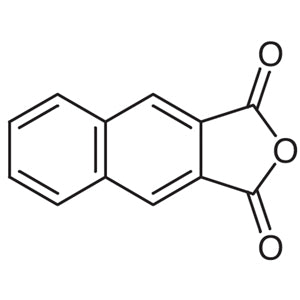
2,3-NaphthalenedicarboxylicAnhydride TCI N0530
Regular price Rp 4.559.100,00Regular priceRp 3.187.800,00Sale price Rp 4.559.100,00