4-Amino-2,3,5,6-tetrafluorobenzamide is a chemical compound widely used in organic synthesis reactions within laboratory settings. This compound is a key building block in the development of pharmaceuticals and industrial chemicals due to its unique molecular structure. It contains both an amino group and multiple fluorine atoms attached to a benzene ring, making it highly versatile for chemical modifications. Its presence in the laboratory allows researchers to explore various synthetic pathways and functional group transformations.
The compound’s stability and reactivity make it a preferred choice for chemists. The fluorinated structure provides enhanced chemical stability, while the amino group offers reactivity for substitution reactions. These properties enable it to be a valuable reagent in the synthesis of bioactive compounds and functional materials. Its ability to participate in a wide range of chemical reactions makes it a go-to material for researchers aiming to develop new compounds with specific properties.
In Indonesian laboratories, 4-Amino-2,3,5,6-tetrafluorobenzamide is commonly used in organic chemistry, pharmacology, and material science research. It is sought after by scientists working on drug development and chemical synthesis. Its availability from reputable suppliers like TCI ensures that researchers have access to high-quality materials for their experiments. This compound plays a crucial role in advancing scientific research in various fields.
TCI brochures (PDF)
- Fluorination Reagents, Fluorinated Building Blocks 2026-03-18 · p. 34
- Organic synthesis is a primary application where this compound serves as a versatile building block for creating complex molecules with specific functional groups.
- Pharmaceutical research benefits from its reactivity and stability, allowing the development of new drug candidates with targeted biological activities.
- Material science applications utilize its fluorinated structure to create advanced materials with enhanced chemical resistance and functional properties.
- Bioactive compound synthesis leverages its amino group for conjugation with other molecules, enabling the design of compounds with specific biological functions.
- Analytical chemistry uses it as a standard or reagent for the characterization of fluorinated compounds and their derivatives.
| Brand | TCI |
|---|---|
| CAS number | 1548-74-9 |
| Molecular formula | — |
| Purity | — |
| Category | Chemistry > Building Blocks > Fluorinated Building Blocks |
| Pack sizes | Available in various quantities as per supplier specifications |
| Physical form | Solid powder |
| Storage | Store in a cool, dry place away from light and moisture |
This compound should be stored in a cool, dry environment, away from direct sunlight and moisture. It is recommended to use airtight containers made of glass or high-density polyethylene to prevent contamination and maintain its chemical integrity. Due to its fluorinated structure, it is generally stable under normal laboratory conditions but should be handled with care to avoid exposure to incompatible substances. Proper ventilation is advised during handling to ensure a safe working environment. Always follow standard laboratory safety protocols when working with chemical building blocks to minimize risks and ensure safe experimentation.
—
Produk Terkait
-
2-Amino-5-fluorobenzamide TCI A3181
Regular price Rp 1.510.950,00Regular priceRp 1.072.050,00Sale price Rp 1.510.950,00 -
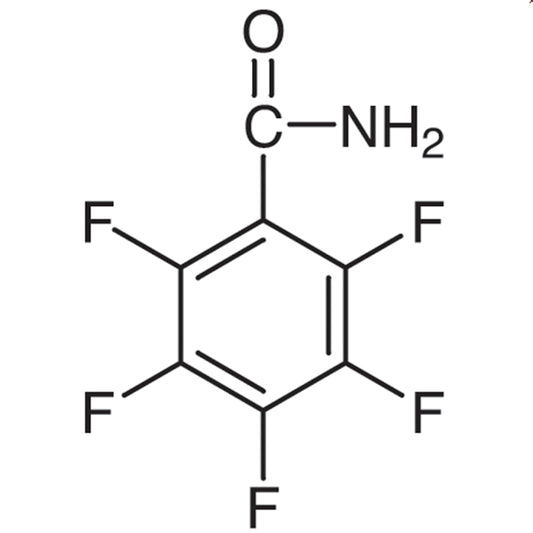
Pentafluorobenzamide TCI P0929
Regular price From Rp 1.220.100,00Regular priceRp 868.350,00Sale price From Rp 1.220.100,00 -
4-Fluorobenzamide TCI F0279
Regular price From Rp 900.900,00Regular priceRp 645.750,00Sale price From Rp 900.900,00 -
2-Fluorobenzamide TCI F0278
Regular price Rp 1.934.100,00Regular priceRp 1.368.150,00Sale price Rp 1.934.100,00 -
3-Fluorobenzamide TCI F0266
Regular price Rp 1.723.050,00Regular priceRp 1.220.100,00Sale price Rp 1.723.050,00 -
2,6-Difluorobenzamide TCI D1907
Regular price Rp 1.033.200,00Regular priceRp 738.150,00Sale price Rp 1.033.200,00 -
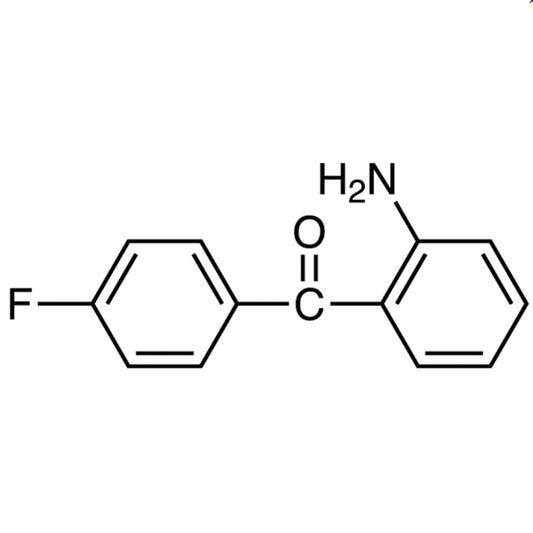
2-Amino-4'-fluorobenzophenone TCI A2760
Regular price From Rp 557.550,00Regular priceRp 405.300,00Sale price From Rp 557.550,00 -
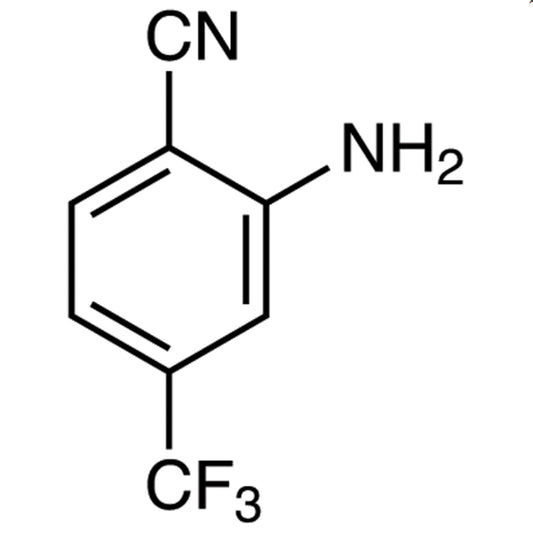
2-Amino-4-(trifluoromethyl)benzonitrile TCI A2648
Regular price From Rp 1.272.600,00Regular priceRp 905.100,00Sale price From Rp 1.272.600,00