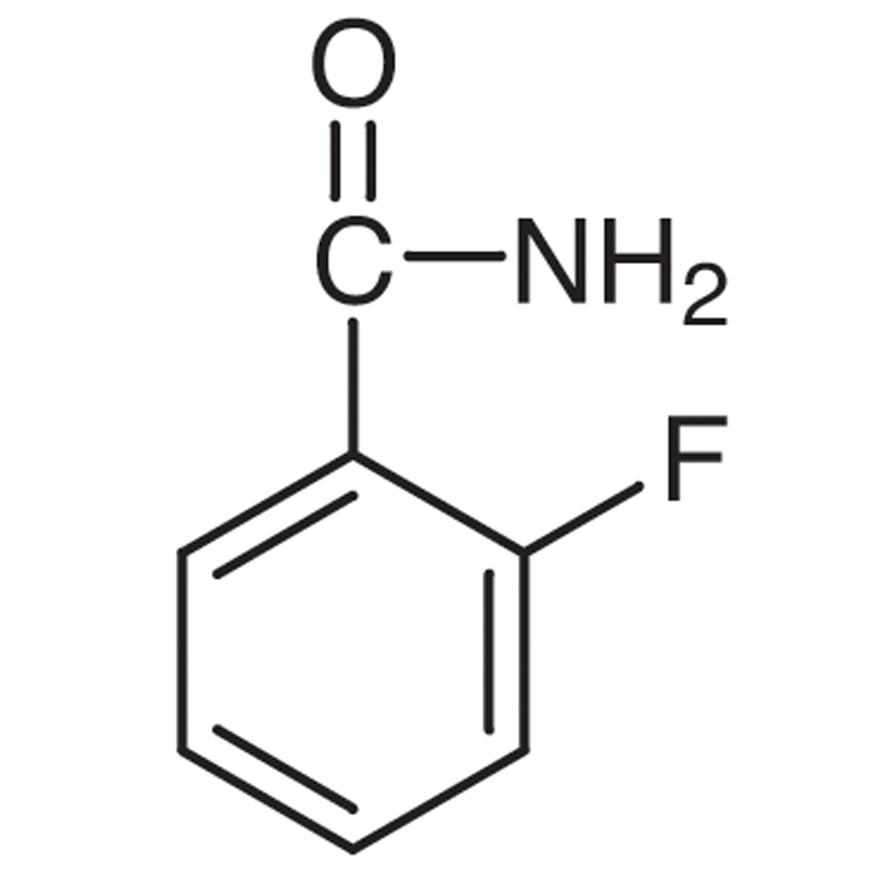
2-Fluorobenzamide is a chemical compound widely used as a building block in the synthesis of complex organic molecules. It contains a fluorine atom on the benzene ring and an amide group at the end of the chain, making it a versatile reagent in organic chemistry. In laboratory settings, this compound plays a crucial role in the development of new materials, pharmaceuticals, and functional compounds. Its unique structure allows it to participate in various chemical reactions, contributing to the creation of compounds with specific properties such as pharmacological activity or electronic behavior.
The stability and controlled reactivity of 2-Fluorobenzamide make it a preferred choice for researchers. The presence of fluorine in its molecular structure imparts unique polarity and reactivity characteristics, which are essential in substitution reactions, coupling reactions, and the synthesis of heterocyclic compounds. Its chemical properties enable it to interact effectively with a wide range of functional groups, enhancing its utility in synthetic pathways. This compound is also known for its resistance to degradation, making it a reliable reagent in long-term experiments and industrial applications.
In Indonesian laboratories, 2-Fluorobenzamide is extensively used in chemical, pharmaceutical, and materials research. It is a common component in academic and industrial research settings, supporting the development of new drugs, polymers, and electronic materials. Its availability and performance make it a key reagent for scientists and researchers working in various fields of chemistry and related disciplines.
TCI brochures (PDF)
- Fluorination Reagents, Fluorinated Building Blocks 2026-03-18 · p. 11
- Used in pharmaceutical research for the synthesis of drug molecules due to its ability to form stable intermediates and participate in functional group transformations.
- Applied in materials science for the development of advanced polymers and electronic materials because of its reactivity and compatibility with various functional groups.
- Utilized in organic synthesis for the preparation of heterocyclic compounds, where its amide functionality and fluorine substituent contribute to the desired molecular structure.
- Employed in analytical chemistry for the calibration of instruments and as a standard reference material due to its well-defined chemical properties.
- Integrated into academic research projects for the exploration of new chemical reactions and the study of molecular interactions in complex systems.
| Brand | TCI |
|---|---|
| CAS number | 445-28-3 |
| Molecular formula | — |
| Purity | — |
| Category | Chemistry > Building Blocks > Fluorinated Building Blocks |
| Pack sizes | Available in various quantities as per standard chemical supply practices |
| Physical form | Solid, typically in crystalline or powder form |
| Storage | Store in a cool, dry place away from moisture and direct sunlight |
2-Fluorobenzamide should be stored in a cool, dry environment to maintain its chemical stability. It is recommended to keep it in airtight containers to prevent moisture absorption and contamination. Due to its chemical nature, it should be handled with appropriate personal protective equipment, such as gloves and safety goggles, to ensure laboratory safety. Avoid exposure to high temperatures or direct sunlight to prevent degradation. Proper labeling of containers is essential for safe handling and to prevent accidental misuse. Regular inspection of storage conditions is advised to ensure the compound remains in optimal condition for use in research applications.
—
Produk Terkait
-
2-Amino-5-fluorobenzamide TCI A3181
Regular price Rp 1.458.450,00Regular price -
4-Fluorobenzamide TCI F0279
Regular price From Rp 848.400,00Regular price -
3-Fluorobenzamide TCI F0266
Regular price Rp 1.670.550,00Regular price -
4-Amino-2,3,5,6-tetrafluorobenzamide TCI A0949
Regular price From Rp 769.650,00Regular price -
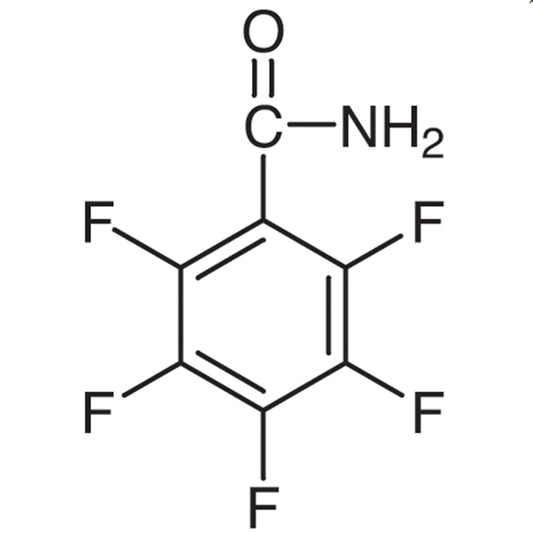
Pentafluorobenzamide TCI P0929
Regular price From Rp 1.167.600,00Regular price -
2,6-Difluorobenzamide TCI D1907
Regular price Rp 980.700,00Regular price -
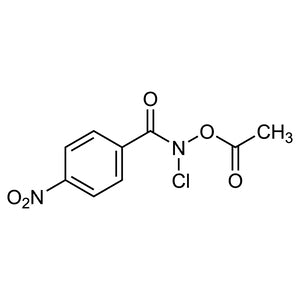
N-Acetoxy-N-chloro-4-nitrobenzamide TCI A3694
Regular price From Rp 2.411.850,00Regular price -
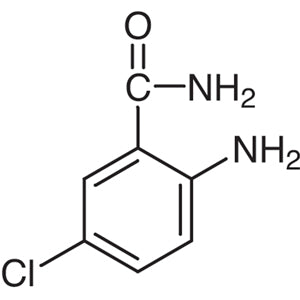
2-Amino-5-chlorobenzamide TCI A1970
Regular price From Rp 664.650,00Regular price