p-Anisil is a chemical compound widely used in laboratory settings for the synthesis of complex molecules. As a key component of aromatic compounds, it features an aniline group attached to a benzene ring, making it a versatile building block in organic chemistry. Its role in laboratories is critical, especially in the development of both heterocyclic and non-heterocyclic structures. This compound is essential for various chemical experiments, contributing to the creation of more intricate molecular frameworks. Its chemical stability and reactivity with a wide range of reagents make it a valuable tool for chemists.
p-Anisil is preferred due to its chemical stability and solubility in organic solvents such as ethyl acetate and ethanol. These properties facilitate efficient chemical reactions and simplify the synthesis process. Its non-toxic nature and ease of handling further enhance its appeal in laboratory environments. The compound’s ability to dissolve in common solvents allows for straightforward preparation of reaction mixtures, reducing the complexity of experimental procedures. These characteristics make p-Anisil a reliable and practical choice for both research and educational purposes.
In Indonesian laboratories, p-Anisil is extensively used in chemical research, particularly in the synthesis of organic compounds and pharmaceutical development. It is also commonly found in educational experiments, where it helps students develop practical skills in chemical manipulation. Its widespread application across various scientific fields highlights its importance in both academic and industrial research settings.
TCI brochures (PDF)
- Polymerization Initiators 2025-09-17 · p. 3
- Biomaterials Research Reagents 2025-02-19 · p. 25
- Organic synthesis is a key application where p-Anisil is used to build complex molecular structures due to its aromatic nature and reactivity.
- Pharmaceutical development benefits from p-Anisil as it contributes to the synthesis of various drug compounds through its versatile chemical properties.
- Educational experiments often incorporate p-Anisil to train students in chemical synthesis techniques and laboratory procedures.
- Industrial research utilizes p-Anisil for the creation of new materials and chemical products due to its stability and solubility.
- Analytical chemistry applications benefit from p-Anisil’s predictable behavior and compatibility with various reagents and solvents.
| Brand | TCI |
|---|---|
| CAS number | 1226-42-2 |
| Molecular formula | — |
| Purity | — |
| Category | Chemistry > Building Blocks > Non-Heterocyclic Building Blocks |
| Pack sizes | Available in standard laboratory quantities |
| Physical form | Solid |
| Storage | Store in a cool, dry place away from direct sunlight |
p-Anisil should be stored in a cool, dry environment, away from direct sunlight and sources of heat. It is recommended to use airtight containers to prevent moisture absorption and maintain its chemical integrity. Due to its solubility in organic solvents, it should be kept in containers that are resistant to such solvents. General laboratory precautions include handling with care to avoid contamination and ensuring proper ventilation when working with the compound. Its non-toxic nature reduces the risk of exposure, but standard safety practices should still be followed to ensure safe handling and storage.
—
Product Categories
Produk Terkait
-
3'-Hydroxyacetophenone TCI A0104
Regular price From Rp 1.113.000,00Regular priceRp 793.800,00Sale price From Rp 1.113.000,00 -
Anthraquinone TCI A0502
Regular price From Rp 477.750,00Regular priceRp 333.900,00Sale price From Rp 477.750,00 -
Methyl2-Benzoylbenzoate TCI B1231
Regular price From Rp 955.500,00Regular priceRp 683.550,00Sale price From Rp 955.500,00 -
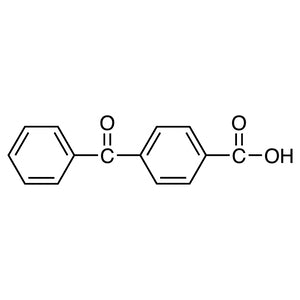
4-BenzoylbenzoicAcid TCI B1164
Regular price From Rp 2.041.200,00Regular priceRp 1.442.700,00Sale price From Rp 2.041.200,00 -
MethylBenzoylformate TCI B1033
Regular price From Rp 1.220.100,00Regular priceRp 868.350,00Sale price From Rp 1.220.100,00 -
BenzoinIsopropylEther TCI B0942
Regular price From Rp 557.550,00Regular priceRp 405.300,00Sale price From Rp 557.550,00 -
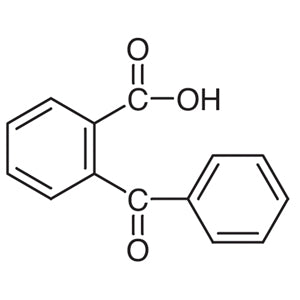
2-BenzoylbenzoicAcid TCI B0103
Regular price Rp 582.750,00Regular priceRp 423.150,00Sale price Rp 582.750,00 -
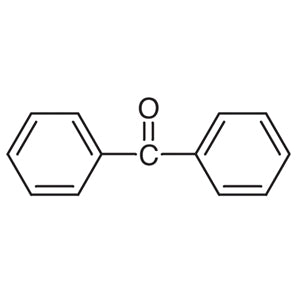
Benzophenone TCI B0083
Regular price From Rp 477.750,00Regular priceRp 333.900,00Sale price From Rp 477.750,00