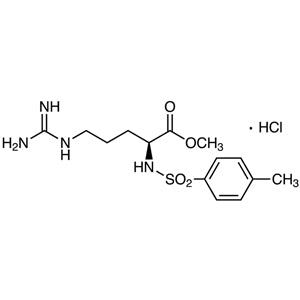
D-(-)-Arginine is a chemical compound widely used in chemical and biochemical experiments. As one of the essential amino acids, it plays a crucial role in peptide and protein synthesis. This compound is commonly utilized in research related to metabolism, physiology, and pharmacology. In the laboratory, D-(-)-Arginine is essential for constructing complex molecular structures, including the development of amino acid analogs or bioactive compounds. Its chemical properties allow for predictable reactions under specific conditions, making it a reliable component in various experimental setups.
D-(-)-Arginine is valued for its chemical stability and reactivity, which enable it to interact effectively with a range of reagents. Its specific molecular structure ensures consistent and predictable chemical behavior, which is vital for accurate experimental outcomes. These properties make it a preferred choice for peptide synthesis and molecular interaction studies. The compound's versatility supports a wide range of applications, from basic research to advanced biochemical investigations. Its reliability and consistency are key factors in its widespread use across scientific disciplines.
In Indonesian laboratories, D-(-)-Arginine is extensively used in biochemical, pharmaceutical, and organic chemistry research. It is a common material in experiments requiring precision and reproducibility. Many research institutions and universities rely on this compound for experiments that demand high accuracy and consistency. Its availability in high-quality form ensures that researchers can conduct reliable and effective studies in various scientific fields.
TCI brochures (PDF)
- D-Amino Acids 2026-03-19 · p. 1
- Amino Acids and Peptide Synthesis Reagents 2025-08-14 · p. 3
Related TCI products
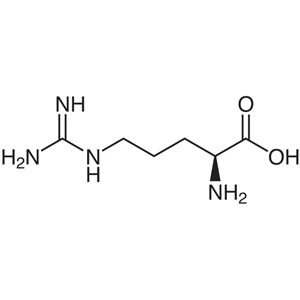
- TCI A0526 74-79-3 L-(+)-Arginine
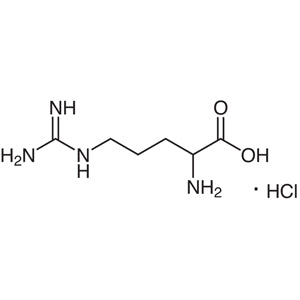
- TCI A0527 32042-43-6 DL-(+/-)-Arginine Hydrochloride
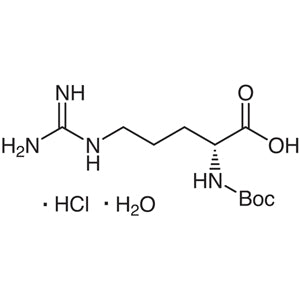
- TCI B2204 204070-00-8 Nalpha-(tert-Butoxycarbonyl)-D-arginine Hydrochloride Monohydrate
- TCI B1626 114622-81-0 Nalpha-(tert-Butoxycarbonyl)-L-arginine Hydrochloride Monohydrate
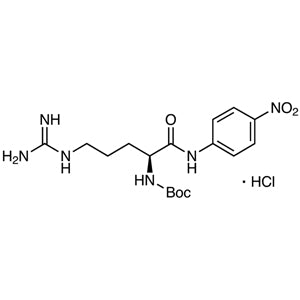
- TCI B1497 99306-64-6 Nalpha-(tert-Butoxycarbonyl)-L-arginine 4-Nitroanilide Hydrochloride
- TCI B0853 2645-08-1 Nalpha-Benzoyl-L-arginine Ethyl Ester Hydrochloride
- Biochemical Research: D-(-)-Arginine is used to study metabolic pathways and physiological functions due to its role in amino acid metabolism.
- Peptide Synthesis: It serves as a building block for creating peptides and proteins, essential for drug development and molecular biology studies.
- Pharmacological Studies: The compound is employed to investigate its effects on biological systems, aiding in the development of new therapeutic agents.
- Organic Chemistry Experiments: Its reactivity and stability make it suitable for synthetic reactions and compound modifications.
- Molecular Interaction Analysis: It is used to study how molecules interact, providing insights into biological processes and chemical behavior.
| Brand | TCI |
|---|---|
| CAS number | 157-06-2 |
| Molecular formula | — |
| Purity | — |
| Category | Chemistry > Chemical Biology > Peptide Chemistry |
| Pack sizes | Available in various quantities as per supplier specifications |
| Physical form | Solid powder |
| Storage | Store in a cool, dry place away from direct sunlight |
D-(-)-Arginine should be stored in a cool, dry environment to maintain its chemical stability. It is recommended to keep the compound in a tightly sealed container to prevent moisture absorption. Avoid exposure to direct sunlight and high humidity to ensure long-term quality. When handling, use appropriate personal protective equipment such as gloves and safety goggles to prevent skin contact or inhalation. It is important to store the compound separately from incompatible materials to avoid any potential chemical reactions. Proper storage conditions are essential to preserve its effectiveness and ensure safe usage in laboratory settings.
—
Product Categories
Produk Terkait
-
L-(+)-Arginine TCI A0526
Regular price From Rp 557.550,00Regular priceRp 405.300,00Sale price From Rp 557.550,00 -
DL-(+/-)-ArginineHydrochloride TCI A0527
Regular price From Rp 557.550,00Regular priceRp 405.300,00Sale price From Rp 557.550,00 -
Nalpha-(tert-Butoxycarbonyl)-D-arginineHydrochlorideMonohydrate TCI B2204
Regular price From Rp 848.400,00Regular priceRp 609.000,00Sale price From Rp 848.400,00 -
Nalpha-(tert-Butoxycarbonyl)-L-arginineHydrochlorideMonohydrate TCI B1626
Regular price From Rp 662.550,00Regular priceRp 478.800,00Sale price From Rp 662.550,00 -
Nalpha-(tert-Butoxycarbonyl)-L-arginine4-NitroanilideHydrochloride TCI B1497
Regular price Rp 530.250,00Regular priceRp 386.400,00Sale price Rp 530.250,00 -
Nalpha-Benzoyl-L-arginineEthylEsterHydrochloride TCI B0853
Regular price From Rp 1.590.750,00Regular priceRp 1.127.700,00Sale price From Rp 1.590.750,00 -
Nalpha-Tosyl-L-arginine TCI T0684
Regular price From Rp 505.050,00Regular priceRp 368.550,00Sale price From Rp 505.050,00 -
Nalpha-Tosyl-L-arginineMethylEsterHydrochloride TCI T0330
Regular price From Rp 530.250,00Regular priceRp 386.400,00Sale price From Rp 530.250,00