N-alpha-Tosyl-L-arginine Methyl Ester Hydrochloride is a chemical compound widely used in various chemical and biochemical experiments. It is a key reagent in peptide chemistry and is commonly found in laboratories for applications such as enzyme testing, chemical reactions, and molecular analysis. As an ester of p-toluenesulfonic acid, this compound exhibits reactive properties that enable it to participate in a variety of reactions, particularly in the context of peptides and proteins. Its role in biochemical research makes it an essential component for scientists working in chemical biology and molecular studies.
This compound is preferred due to its stability under specific conditions and its ability to engage in complex chemical reactions. Its chemical structure allows it to react with enzymes such as proteinases, making it highly relevant in enzymatic studies. Additionally, it is soluble in certain organic solvents, which simplifies its use and processing in laboratory settings. These properties make it a reliable and versatile reagent for a wide range of experimental applications.
In Indonesian laboratories, N-alpha-Tosyl-L-arginine Methyl Ester Hydrochloride is a crucial material for biochemical, pharmacological, and molecular biology research. It is frequently used in studies involving enzyme activity, protein modification, and peptide synthesis. Its availability and chemical properties ensure that it remains a valuable tool for researchers in both academic and industrial settings.
TCI brochures (PDF)
- Ubiquitin-Proteasome System (UPS) Research Reagents 2025-07-03 · p. 1
- Amino Acids and Peptide Synthesis Reagents 2025-08-14 · p. 24
- Reagents for Biological Research 2025-03-11 · p. 27
Related TCI products
- TCI B0853 2645-08-1 Nalpha-Benzoyl-L-arginine Ethyl Ester Hydrochloride
- TCI B3915 4587-33-1 Nalpha-(tert-Butoxycarbonyl)-L-asparagine 4-Nitrophenyl Ester
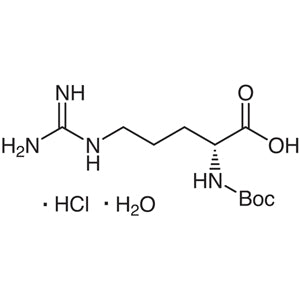
- TCI B2204 204070-00-8 Nalpha-(tert-Butoxycarbonyl)-D-arginine Hydrochloride Monohydrate
- TCI B1626 114622-81-0 Nalpha-(tert-Butoxycarbonyl)-L-arginine Hydrochloride Monohydrate
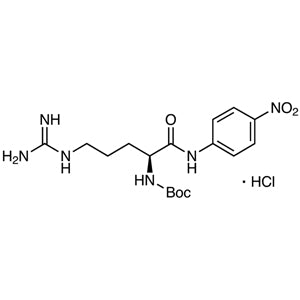
- TCI B1497 99306-64-6 Nalpha-(tert-Butoxycarbonyl)-L-arginine 4-Nitroanilide Hydrochloride
- TCI T0684 1159-15-5 Nalpha-Tosyl-L-arginine
- Enzyme Activity Assays – This compound is used to study the activity of proteolytic enzymes due to its reactivity with proteinases.
- Peptide Synthesis – It serves as a valuable reagent in the synthesis of peptides and proteins due to its structural compatibility.
- Molecular Analysis – It is employed in biochemical assays to analyze molecular interactions and reaction mechanisms.
- Drug Development – Its role in enzyme inhibition studies makes it relevant in pharmaceutical research and development.
- Biochemical Research – It supports a wide range of biochemical experiments, including substrate specificity and reaction kinetics.
| Brand | TCI |
|---|---|
| CAS number | 1784-03-8 |
| Molecular formula | — |
| Purity | — |
| Category | Chemistry > Chemical Biology > Peptide Chemistry |
| Pack sizes | Available in various quantities as per standard laboratory supply |
| Physical form | Solid powder |
| Storage | Store in a cool, dry place away from moisture and light |
This compound should be stored in a cool, dry environment to maintain its stability and prevent degradation. It is recommended to use airtight containers to protect it from moisture and light exposure. Since it is a solid powder, it should be handled with care to avoid inhalation or skin contact. In laboratory settings, it is advisable to use appropriate personal protective equipment such as gloves and safety goggles. Proper labeling of containers is essential to ensure safe handling and prevent accidental exposure. Regular inspection of storage conditions is also recommended to maintain optimal chemical integrity.
—
Product Categories
- Biochemicals and ReagentsAmino AcidsC-ProtectedAmino Acids
- Biochemicals and ReagentsAmino AcidsN-Protected Amino Acids
- Biochemicals and ReagentsEnzymes, Enzyme Inhibitors, Enzyme SubstratesEnzymes [by Application]
- Pharmaceutical Development and Drug Discovery ResearchPeptide ChemistryAmino Acid Derivatives [Peptide Chemistry]
Produk Terkait
-
Nalpha-Benzoyl-L-arginineEthylEsterHydrochloride TCI B0853
Regular price From Rp 1.590.750,00Regular priceRp 1.127.700,00Sale price From Rp 1.590.750,00 -
Nalpha-(tert-Butoxycarbonyl)-L-asparagine4-NitrophenylEster TCI B3915
Regular price Rp 1.351.350,00Regular priceRp 960.750,00Sale price Rp 1.351.350,00 -
Nalpha-(tert-Butoxycarbonyl)-D-arginineHydrochlorideMonohydrate TCI B2204
Regular price From Rp 848.400,00Regular priceRp 609.000,00Sale price From Rp 848.400,00 -
Nalpha-(tert-Butoxycarbonyl)-L-arginineHydrochlorideMonohydrate TCI B1626
Regular price From Rp 662.550,00Regular priceRp 478.800,00Sale price From Rp 662.550,00 -
Nalpha-(tert-Butoxycarbonyl)-L-arginine4-NitroanilideHydrochloride TCI B1497
Regular price Rp 530.250,00Regular priceRp 386.400,00Sale price Rp 530.250,00 -
Nalpha-Tosyl-L-arginine TCI T0684
Regular price From Rp 505.050,00Regular priceRp 368.550,00Sale price From Rp 505.050,00 -
Nalpha-(2,4-Dinitrophenyl)-L-arginine TCI D1040
Regular price Rp 4.266.150,00Regular priceRp 2.998.800,00Sale price Rp 4.266.150,00 -
Nalpha-Carbobenzoxy-L-arginine TCI C0757
Regular price From Rp 557.550,00Regular priceRp 405.300,00Sale price From Rp 557.550,00