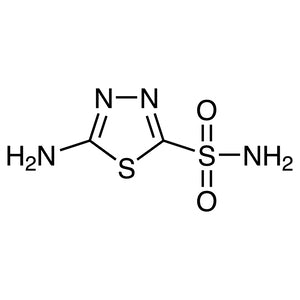
2-Aminophenol-4-sulfonamide is a chemical compound widely used in laboratory settings for the synthesis of complex molecules. It serves as a versatile building block in organic chemistry, enabling the creation of compounds with heterocyclic structures or those requiring aromatic ring substitutions. This compound plays a crucial role in research and development, offering a stable yet reactive profile that supports various synthetic pathways. Its presence in chemical reactions allows for the formation of new functional groups, making it an essential reagent in modern chemical laboratories.
The compound's molecular structure, consisting of an aminophenol group and a sulfonamide moiety, contributes to its reactivity and compatibility with a wide range of chemical functionalities. These properties make it ideal for substitution reactions, conjugation processes, and hydrogen bonding interactions. Its controlled reactivity ensures predictable outcomes in chemical synthesis, which is vital for maintaining consistency in research. This stability and reactivity are key factors in its popularity among chemists working on advanced synthetic projects.
In Indonesian laboratories, 2-Aminophenol-4-sulfonamide is commonly used in organic chemistry, pharmacology, and material science research. It is frequently found in university and research institution laboratories, supporting studies aimed at developing new pharmaceuticals and advanced materials. Its application spans both academic and industrial research, highlighting its importance in the scientific community. The compound's reliability and adaptability make it a preferred choice for researchers seeking high-quality reagents for their experiments.
Related TCI products
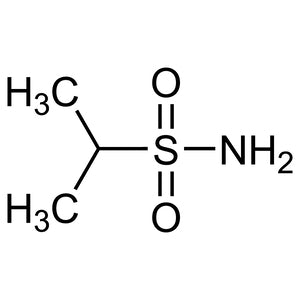
- TCI P3324 81363-76-0 Propane-2-sulfonamide
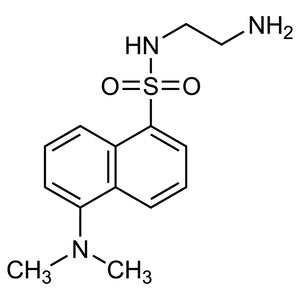
- TCI D6499 35060-08-3 N-(2-Aminoethyl)-5-(dimethylamino)naphthalene-1-sulfonamide
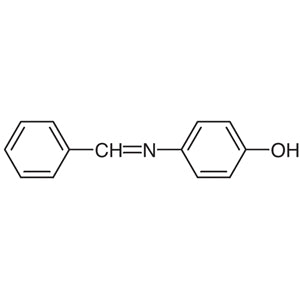
- TCI B1620 588-53-4 4-Benzylideneaminophenol
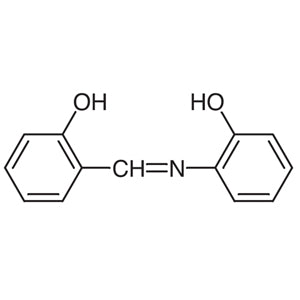
- TCI S0328 1761-56-4 2-Salicylideneaminophenol
- TCI T3007 72811-73-5 4-(m-Tolylamino)pyridine-3-sulfonamide
- TCI A3569 14949-00-9 5-Amino-1,3,4-thiadiazole-2-sulfonamide
- Organic synthesis applications benefit from 2-Aminophenol-4-sulfonamide due to its ability to participate in substitution and conjugation reactions, enabling the creation of complex molecular structures.
- Pharmacological research utilizes this compound for the development of new drugs, as its functional groups can be modified to target specific biological pathways.
- Material science studies employ it to synthesize compounds with unique properties, such as enhanced solubility or reactivity, which are essential for advanced material development.
- Analytical chemistry laboratories use it as a reference standard for the identification and quantification of similar compounds in complex mixtures.
- Environmental research incorporates it in the study of chemical behavior in different media, helping to understand the fate and transformation of organic pollutants.
| Brand | TCI |
|---|---|
| CAS number | 98-32-8 |
| Molecular formula | — |
| Purity | — |
| Category | Chemistry > Building Blocks > Non-Heterocyclic Building Blocks |
| Pack sizes | Available in various quantities as per supplier specifications |
| Physical form | Solid, typically in crystalline or powder form |
| Storage | Store in a cool, dry place away from direct sunlight and moisture |
This compound should be stored in a cool, dry environment to maintain its chemical integrity and prevent degradation. It is recommended to use airtight containers to protect it from moisture and contaminants. Due to its chemical nature, it should be handled with appropriate personal protective equipment, such as gloves and safety goggles, to ensure laboratory safety. Avoid exposure to heat or direct light, as these conditions can affect its stability. Regular monitoring of storage conditions is essential to maintain the quality of the compound for use in research applications. Proper labeling of containers is also important to ensure safe handling and prevent accidental misuse in the laboratory.
—
Produk Terkait
-
Propane-2-sulfonamide TCI P3324
Regular price From Rp 1.618.050,00Regular priceRp 1.146.600,00Sale price From Rp 1.618.050,00 -
N-(2-Aminoethyl)-5-(dimethylamino)naphthalene-1-sulfonamide TCI D6499
Regular price Rp 1.988.700,00Regular priceRp 1.405.950,00Sale price Rp 1.988.700,00 -
4-Benzylideneaminophenol TCI B1620
Regular price Rp 1.696.800,00Regular priceRp 1.202.250,00Sale price Rp 1.696.800,00 -
2-Salicylideneaminophenol TCI S0328
Regular price From Rp 1.272.600,00Regular priceRp 905.100,00Sale price From Rp 1.272.600,00 -
4-(m-Tolylamino)pyridine-3-sulfonamide TCI T3007
Regular price Rp 2.384.550,00Regular priceRp 1.683.150,00Sale price Rp 2.384.550,00 -
5-Amino-1,3,4-thiadiazole-2-sulfonamide TCI A3569
Regular price Rp 6.095.250,00Regular priceRp 4.277.700,00Sale price Rp 6.095.250,00 -
N-(4-Aminobutyl)-5-chloronaphthalene-2-sulfonamideHydrochloride TCI A2416
Regular price Rp 20.562.150,00Regular priceRp 14.394.450,00Sale price Rp 20.562.150,00 -
N-(tert-Butyl)-N-fluoro-2-methylpropane-2-sulfonamide TCI F1345
Regular price From Rp 3.922.800,00Regular priceRp 2.758.350,00Sale price From Rp 3.922.800,00