N-(4-Aminobutyl)-5-chloronaphthalene-2-sulfonamide Hydrochloride is a chemical compound widely used in life science research, particularly in cell biology and neuroscience. This compound functions as a modulator in cellular signaling pathways, playing a key role in studies related to neurotransmitter activity and cellular responses to external stimuli. Its application in laboratories is essential for the identification and measurement of enzyme activity and cellular receptor function, making it a valuable tool for researchers seeking to understand complex biological processes.
The compound is preferred due to its chemical stability, solubility in organic solvents, and ability to specifically interact with target molecular structures. These properties ensure reliable and reproducible results in experimental settings, which is critical for high-precision research. Its good solubility also simplifies the preparation of solutions for various research applications, enhancing its usability in both routine and advanced laboratory procedures.
In Indonesian laboratories, this compound is extensively used in biomedical, pharmacological, and neuroscience research. Researchers rely on it to study drug mechanisms, develop therapeutic approaches, and investigate molecular interactions within the nervous system. Its versatility and effectiveness make it a staple in many research facilities across the country.
TCI brochures (PDF)
- Calcium Signaling Research Reagents 2025-05-26 · p. 1
Related TCI products
- TCI A2408 89108-46-3 N-(4-Aminobutyl)-2-naphthalenesulfonamide Hydrochloride
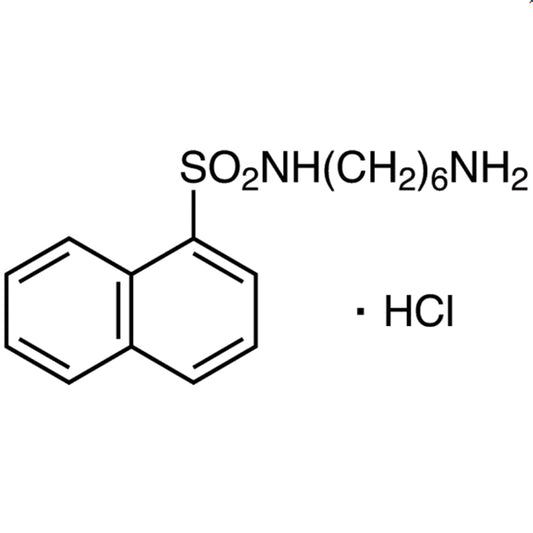
- TCI A2410 61714-25-8 N-(6-Aminohexyl)-1-naphthalenesulfonamide Hydrochloride
- TCI A2409 61714-27-0 N-(6-Aminohexyl)-5-chloro-1-naphthalenesulfonamide Hydrochloride
- TCI A5304 66612-29-1 N-(4-Aminobutyl)-N-ethylisoluminol [Chemiluminescence Reagent]
- TCI T3007 72811-73-5 4-(m-Tolylamino)pyridine-3-sulfonamide
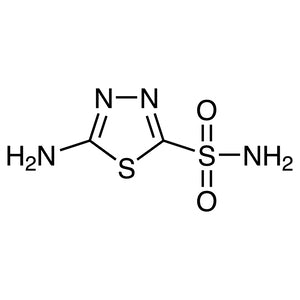
- TCI A3569 14949-00-9 5-Amino-1,3,4-thiadiazole-2-sulfonamide
- Biomedical Research: This compound is used to study molecular interactions in biological systems, aiding in the understanding of disease mechanisms and potential therapeutic targets.
- Pharmacological Studies: It supports drug development by helping researchers analyze how compounds interact with cellular receptors and signaling pathways.
- Neuroscience Investigations: The compound is employed to explore neurotransmitter activity and neural responses, contributing to advancements in neuroscientific research.
- Enzyme Activity Assays: Its ability to modulate cellular signaling makes it ideal for measuring enzyme activity and receptor binding in controlled environments.
- Cellular Signaling Pathway Analysis: It is used to investigate the activation and regulation of key signaling pathways involved in cellular communication and response mechanisms.
| Brand | TCI |
|---|---|
| CAS number | 88519-57-7 |
| Molecular formula | — |
| Purity | — |
| Category | Life Science > Cell Biology > Cell Signaling and Neuroscience |
| Pack sizes | Available in various quantities as per standard laboratory supply |
| Physical form | Solid powder |
| Storage | Store in a cool, dry place away from light |
This compound should be stored in a cool, dry environment, away from direct sunlight and moisture. It is recommended to use airtight containers to maintain its chemical stability and prevent contamination. Due to its chemical nature, it should be handled with appropriate personal protective equipment, such as gloves and safety goggles, to ensure laboratory safety. Avoid exposure to incompatible substances to prevent unwanted reactions. Proper labeling of storage containers is essential for safe handling and easy identification. Regular monitoring of storage conditions ensures the compound remains effective for research applications.
—
Produk Terkait
-
N-(4-Aminobutyl)-2-naphthalenesulfonamideHydrochloride TCI A2408
Regular price From Rp 1.008.000,00Regular priceRp 720.300,00Sale price From Rp 1.008.000,00 -
N-(6-Aminohexyl)-1-naphthalenesulfonamideHydrochloride TCI A2410
Regular price From Rp 557.550,00Regular priceRp 405.300,00Sale price From Rp 557.550,00 -
N-(6-Aminohexyl)-5-chloro-1-naphthalenesulfonamideHydrochloride TCI A2409
Regular price From Rp 3.127.950,00Regular priceRp 2.202.900,00Sale price From Rp 3.127.950,00 -
N-(4-Aminobutyl)-N-ethylisoluminol[ChemiluminescenceReagent] TCI A5304
Regular price From Rp 4.081.350,00Regular priceRp 2.869.650,00Sale price From Rp 4.081.350,00 -
4-(m-Tolylamino)pyridine-3-sulfonamide TCI T3007
Regular price Rp 2.384.550,00Regular priceRp 1.683.150,00Sale price Rp 2.384.550,00 -
5-Amino-1,3,4-thiadiazole-2-sulfonamide TCI A3569
Regular price Rp 6.095.250,00Regular priceRp 4.277.700,00Sale price Rp 6.095.250,00 -
2-Aminophenol-4-sulfonamide TCI A1031
Regular price From Rp 2.068.500,00Regular priceRp 1.461.600,00Sale price From Rp 2.068.500,00 -
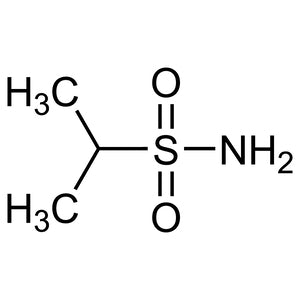
Propane-2-sulfonamide TCI P3324
Regular price From Rp 1.618.050,00Regular priceRp 1.146.600,00Sale price From Rp 1.618.050,00