N-(6-Aminohexyl)-1-naphthalenesulfonamide Hydrochloride is a chemical compound widely used in life sciences research, particularly in cell biology and neuroscience. It functions as a key reagent in studies involving cellular signaling pathways and neuronal activity. This compound is commonly employed as an inhibitor or modulator in biological processes, aiding researchers in understanding complex interactions within biological systems. Its role in laboratory settings is critical for investigating signal transduction mechanisms and protein activation, making it an essential tool for advanced scientific investigations.
The compound's chemical stability and solubility in specific organic solvents make it a preferred choice for laboratory use. These properties ensure consistent performance across various experimental conditions, enhancing the reliability of results. Its ability to interact with a range of substrates further expands its utility in diverse research applications. The compound’s versatility in different analytical techniques, such as ELISA and Western blot, adds to its value in both basic and applied research. Its chemical characteristics also support its use in a wide array of experimental setups, making it a reliable reagent for scientists.
In Indonesian laboratories, N-(6-Aminohexyl)-1-naphthalenesulfonamide Hydrochloride is extensively used in biomedical research applications. It supports studies focused on cellular communication, neurodegenerative diseases, and signaling pathway modulation. Its availability in solid form and compatibility with various experimental protocols make it a popular choice among researchers. The compound plays a crucial role in advancing scientific knowledge and developing new therapeutic approaches in the biomedical field.
TCI brochures (PDF)
- Calcium Signaling Research Reagents 2025-05-26 · p. 1
Related TCI products
- TCI A2409 61714-27-0 N-(6-Aminohexyl)-5-chloro-1-naphthalenesulfonamide Hydrochloride
- TCI A2408 89108-46-3 N-(4-Aminobutyl)-2-naphthalenesulfonamide Hydrochloride
- TCI A2416 88519-57-7 N-(4-Aminobutyl)-5-chloronaphthalene-2-sulfonamide Hydrochloride
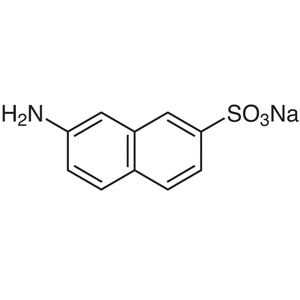
- TCI A0355 5412-82-8 Sodium 7-Amino-2-naphthalenesulfonate
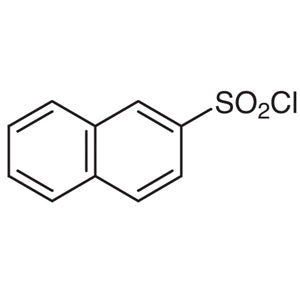
- TCI N0018 93-11-8 2-Naphthalenesulfonyl Chloride
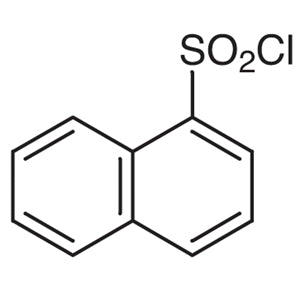
- TCI N0017 85-46-1 1-Naphthalenesulfonyl Chloride
- Cellular signaling research utilizes this compound to study receptor activation and intracellular signaling pathways, offering precise control over biological processes.
- Neuroscience investigations benefit from its ability to modulate neuronal activity, aiding in the understanding of complex neural networks and disease mechanisms.
- Biochemical assays employ it as a specific inhibitor, enabling accurate measurement of enzyme activity and protein interactions in controlled environments.
- Drug discovery programs leverage its chemical properties to screen for potential therapeutic agents targeting specific signaling pathways.
- Proteomics studies use it to manipulate and analyze protein expression and function, supporting the development of targeted therapies.
| Brand | TCI |
|---|---|
| CAS number | 61714-25-8 |
| Molecular formula | — |
| Purity | — |
| Category | Life Science > Cell Biology > Cell Signaling and Neuroscience |
| Pack sizes | Available in various quantities as per standard laboratory reagent packaging |
| Physical form | Solid |
| Storage | Store in a cool, dry place away from light and moisture |
This compound should be stored in a cool, dry environment, away from direct light and moisture to maintain its chemical stability. It is recommended to use airtight containers to prevent contamination and degradation. Due to its chemical nature, it should be handled with appropriate personal protective equipment, such as gloves and safety goggles, to ensure laboratory safety. Avoid exposure to incompatible substances, and ensure proper ventilation when working with it. The compound is generally stable under standard storage conditions, making it suitable for long-term use in research settings. Always follow standard laboratory safety protocols when handling and storing chemical reagents.
—
Produk Terkait
-
N-(6-Aminohexyl)-5-chloro-1-naphthalenesulfonamideHydrochloride TCI A2409
Regular price From Rp 3.127.950,00Regular priceRp 2.202.900,00Sale price From Rp 3.127.950,00 -
N-(4-Aminobutyl)-2-naphthalenesulfonamideHydrochloride TCI A2408
Regular price From Rp 1.008.000,00Regular priceRp 720.300,00Sale price From Rp 1.008.000,00 -
N-(4-Aminobutyl)-5-chloronaphthalene-2-sulfonamideHydrochloride TCI A2416
Regular price Rp 20.562.150,00Regular priceRp 14.394.450,00Sale price Rp 20.562.150,00 -
Sodium7-Amino-2-naphthalenesulfonate TCI A0355
Regular price From Rp 1.193.850,00Regular priceRp 834.750,00Sale price From Rp 1.193.850,00 -
2-NaphthalenesulfonylChloride TCI N0018
Regular price Rp 1.696.800,00Regular priceRp 1.186.500,00Sale price Rp 1.696.800,00 -
1-NaphthalenesulfonylChloride TCI N0017
Regular price From Rp 3.127.950,00Regular priceRp 2.187.150,00Sale price From Rp 3.127.950,00