N-(6-Aminohexyl)-5-chloro-1-naphthalenesulfonamide Hydrochloride is a chemical compound widely used in life science research, particularly in cell biology and neuroscience. This compound plays a crucial role in laboratory settings by serving as a key reagent for investigating biological activities, including enzyme inhibition and effects on cellular signaling pathways. Its versatility makes it an essential tool for researchers aiming to understand molecular interactions and biological mechanisms. Due to its specific chemical structure, it is often employed in assays that require precise molecular recognition and interaction.
The compound is preferred for its stable chemical properties and ability to selectively bind to target proteins or molecules. This selectivity allows it to be used in various research applications where specificity is critical. Its chemical stability under controlled conditions ensures consistent results in experimental studies. Additionally, its solubility and reactivity characteristics make it suitable for a range of biochemical protocols, enhancing its utility in both academic and industrial research environments.
In Indonesian laboratories, this compound is commonly used by researchers in cell biology and neuroscience. It is an integral part of the research infrastructure, supporting studies on molecular mechanisms, drug development, and neuroscientific investigations. Its availability through suppliers like AMI Scientific ensures that researchers have access to high-quality materials necessary for advancing scientific knowledge in these fields.
TCI brochures (PDF)
- Calcium Signaling Research Reagents 2025-05-26 · p. 1
Related TCI products
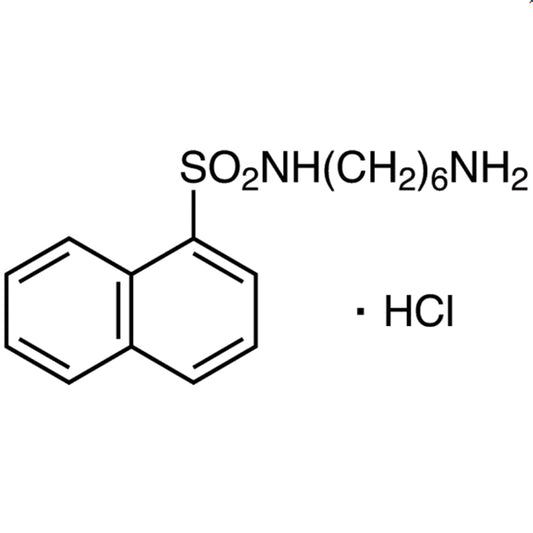
- TCI A2410 61714-25-8 N-(6-Aminohexyl)-1-naphthalenesulfonamide Hydrochloride
- TCI A2408 89108-46-3 N-(4-Aminobutyl)-2-naphthalenesulfonamide Hydrochloride
- TCI A2416 88519-57-7 N-(4-Aminobutyl)-5-chloronaphthalene-2-sulfonamide Hydrochloride
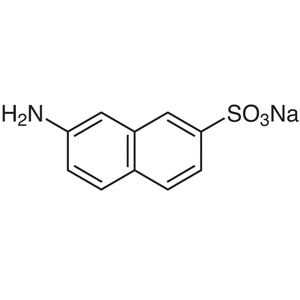
- TCI A0355 5412-82-8 Sodium 7-Amino-2-naphthalenesulfonate
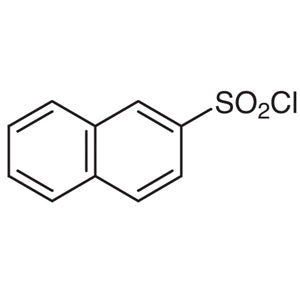
- TCI N0018 93-11-8 2-Naphthalenesulfonyl Chloride
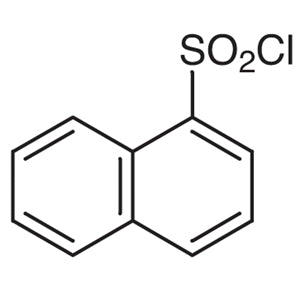
- TCI N0017 85-46-1 1-Naphthalenesulfonyl Chloride
- Enzyme Inhibition Studies: This compound is used to assess the inhibitory effects on specific enzymes, aiding in the development of therapeutic agents.
- Cellular Signaling Pathway Analysis: It helps in studying how signaling molecules interact with cellular receptors, providing insights into disease mechanisms.
- Neurotransmitter Receptor Binding: Its ability to bind to specific receptors makes it valuable in neuroscience research for understanding neural communication.
- Drug Discovery and Development: It is utilized in screening compounds for potential pharmaceutical applications due to its molecular recognition properties.
- Molecular Interaction Studies: Researchers use it to investigate protein-ligand interactions, contributing to the understanding of biological processes.
| Brand | TCI |
|---|---|
| CAS number | 61714-27-0 |
| Molecular formula | — |
| Purity | — |
| Category | Life Science > Cell Biology > Cell Signaling and Neuroscience |
| Pack sizes | Available in various quantities as per standard laboratory requirements |
| Physical form | Solid powder |
| Storage | Store in a cool, dry place away from light and moisture |
This compound should be stored in a cool, dry place, away from direct light and moisture to maintain its chemical stability. It is recommended to use airtight containers to prevent exposure to humidity and contaminants. Due to its chemical nature, it should be handled with appropriate personal protective equipment, such as gloves and safety goggles, to ensure laboratory safety. Avoid contact with skin and eyes, and ensure proper ventilation when working with it. The compound is not classified as hazardous under standard laboratory conditions, but standard safety protocols should still be followed to prevent accidental exposure. Proper storage and handling are essential to preserve its integrity and ensure safe usage in research applications.
—
Produk Terkait
-
N-(6-Aminohexyl)-1-naphthalenesulfonamideHydrochloride TCI A2410
Regular price From Rp 557.550,00Regular priceRp 405.300,00Sale price From Rp 557.550,00 -
N-(4-Aminobutyl)-2-naphthalenesulfonamideHydrochloride TCI A2408
Regular price From Rp 1.008.000,00Regular priceRp 720.300,00Sale price From Rp 1.008.000,00 -
N-(4-Aminobutyl)-5-chloronaphthalene-2-sulfonamideHydrochloride TCI A2416
Regular price Rp 20.562.150,00Regular priceRp 14.394.450,00Sale price Rp 20.562.150,00 -
Sodium7-Amino-2-naphthalenesulfonate TCI A0355
Regular price From Rp 1.193.850,00Regular priceRp 834.750,00Sale price From Rp 1.193.850,00 -
2-NaphthalenesulfonylChloride TCI N0018
Regular price Rp 1.696.800,00Regular priceRp 1.186.500,00Sale price Rp 1.696.800,00 -
1-NaphthalenesulfonylChloride TCI N0017
Regular price From Rp 3.127.950,00Regular priceRp 2.187.150,00Sale price From Rp 3.127.950,00