Dimethyl Acetylsuccinate is a chemical compound widely used as a building block in organic synthesis. It serves as a foundational material in laboratories, enabling the creation of more complex molecular structures. This compound is particularly valuable in the development of heterocyclic compounds and other intricate organic molecules. Its role in synthetic chemistry is essential, as it provides a versatile starting point for a variety of chemical transformations. Due to its structural simplicity, it is a go-to reagent for chemists seeking to build upon its framework in various synthetic pathways.
The compound is known for its chemical stability and reactivity under specific conditions, such as in moist environments or when heated. These properties make it an ideal choice for controlled chemical reactions where reactivity and reaction conditions need to be precisely managed. Its ability to react under defined circumstances allows for greater control over the synthesis process, contributing to the reproducibility and accuracy of experimental outcomes. Additionally, its high purity and consistent quality ensure reliable results in laboratory settings.
In Indonesian laboratories, Dimethyl Acetylsuccinate is commonly used in organic chemistry research, especially in academic institutions and research centers. Its availability and affordability make it a popular choice among researchers. It supports a wide range of experimental applications, from basic synthesis to more advanced chemical studies. Its reliability and performance have made it a standard component in many laboratory workflows across Indonesia.
Related TCI products
- TCI A0090 762-42-5 Dimethyl Acetylenedicarboxylate
- TCI A0056 1830-54-2 Dimethyl 1,3-Acetonedicarboxylate
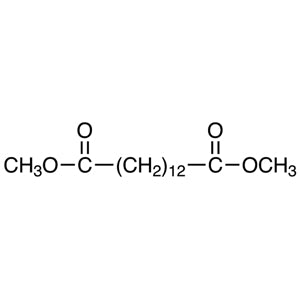
- TCI T1726 5024-21-5 Dimethyl Tetradecanedioate
- TCI B1490 5469-26-1 1-Bromo-3,3-dimethyl-2-butanone
- TCI B1309 792-74-5 Dimethyl 4,4'-Biphenyldicarboxylate
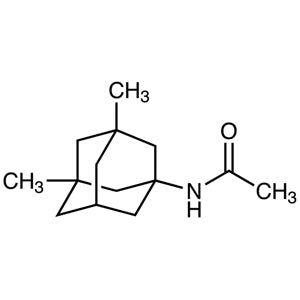
- TCI A2653 19982-07-1 N-Acetyl-3,5-dimethyl-1-adamantanamine
- Organic synthesis is a key application where Dimethyl Acetylsuccinate is used to build complex molecules due to its reactivity and structural versatility.
- Heterocyclic compound development benefits from its ability to participate in various chemical reactions, aiding in the formation of ring structures.
- Research in medicinal chemistry often utilizes this compound as a starting material for drug synthesis and modification.
- Teaching laboratories use it for educational purposes to demonstrate fundamental chemical reactions and synthetic techniques.
- Industrial chemical processes incorporate it as a precursor for producing specialty chemicals and intermediates.
| Brand | TCI |
|---|---|
| CAS number | 10420-33-4 |
| Molecular formula | — |
| Purity | — |
| Category | Chemistry > Building Blocks > Non-Heterocyclic Building Blocks |
| Pack sizes | Available in various quantities as per standard laboratory supply |
| Physical form | Solid |
| Storage | Store in a cool, dry place away from moisture and direct sunlight |
Dimethyl Acetylsuccinate should be stored in a cool, dry environment to maintain its stability and prevent degradation. It is recommended to keep the compound in a sealed container to minimize exposure to moisture and air. Suitable storage containers include glass or high-density polyethylene bottles, which provide a barrier against environmental factors. In laboratory settings, it is important to handle the compound with care, using appropriate personal protective equipment when necessary. Avoid exposure to heat and direct sunlight to preserve its chemical integrity. Proper storage ensures consistent quality and performance in experimental applications.
—
Produk Terkait
-
DimethylAcetylenedicarboxylate TCI A0090
Regular price From Rp 2.093.700,00Regular priceRp 1.479.450,00Sale price From Rp 2.093.700,00 -
Dimethyl1,3-Acetonedicarboxylate TCI A0056
Regular price From Rp 1.351.350,00Regular priceRp 960.750,00Sale price From Rp 1.351.350,00 -
DimethylTetradecanedioate TCI T1726
Regular price From Rp 2.464.350,00Regular priceRp 1.738.800,00Sale price From Rp 2.464.350,00 -
1-Bromo-3,3-dimethyl-2-butanone TCI B1490
Regular price From Rp 2.147.250,00Regular priceRp 1.517.250,00Sale price From Rp 2.147.250,00 -
Dimethyl4,4'-Biphenyldicarboxylate TCI B1309
Regular price From Rp 875.700,00Regular priceRp 612.150,00Sale price From Rp 875.700,00 -
N-Acetyl-3,5-dimethyl-1-adamantanamine TCI A2653
Regular price Rp 4.001.550,00Regular priceRp 2.814.000,00Sale price Rp 4.001.550,00 -
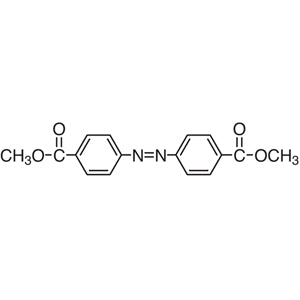
DimethylAzobenzene-4,4'-dicarboxylate TCI A1581
Regular price From Rp 2.571.450,00Regular priceRp 1.797.600,00Sale price From Rp 2.571.450,00 -
Dimethyl1,8-Anthracenedicarboxylate TCI A1433
Regular price From Rp 6.863.850,00Regular priceRp 4.799.550,00Sale price From Rp 6.863.850,00