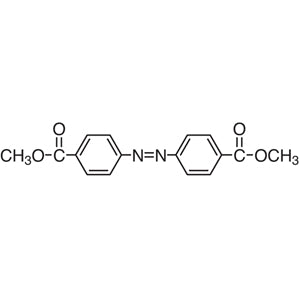
Dimethyl Azobenzene-4,4'-dicarboxylate (DMAC) is a chemical compound widely used in laboratory settings for the synthesis of complex molecules. As a building block in organic chemistry, it serves as a versatile intermediate that can be modified through various chemical reactions to produce a wide range of derivatives. Its role in the laboratory is critical for researchers working on the development of new compounds, particularly in the fields of pharmaceuticals and materials science. DMAC is valued for its ability to participate in controlled reactions, allowing for precise manipulation of molecular structures.
One of the key properties that make DMAC a preferred choice is its stable chemical structure, which ensures consistent performance across different experimental conditions. Its controlled reactivity allows chemists to tailor reactions to achieve specific outcomes, making it a reliable component in synthetic pathways. Additionally, DMAC is compatible with a variety of reagents and solvents, enhancing its utility in diverse laboratory applications. These characteristics make it an essential tool for researchers aiming to produce high-quality, reproducible results.
In Indonesian laboratories, DMAC is commonly used in organic chemistry research, drug development, and material science projects. Its availability in various packaging options ensures that it can be easily integrated into both small-scale and large-scale experiments. The compound’s stability and predictable behavior make it a trusted choice for scientists seeking reliable and consistent chemical building blocks for their work.
Related TCI products
- TCI D6351 115913-32-1 Dimethyl Bicyclo[1.1.1]pentane-1,3-dicarboxylate
- TCI D5542 29412-62-2 Dimethyl Cubane-1,4-dicarboxylate
- TCI D4414 1829-60-3 Dimethyl 7-Oxabicyclo[2.2.1]hepta-2,5-diene-2,3-dicarboxylate
- TCI D3703 4841-84-3 Dimethyl cis-4-Cyclohexene-1,2-dicarboxylate
- TCI D3692 17673-68-6 Dimethyl trans-4-Cyclohexene-1,2-dicarboxylate
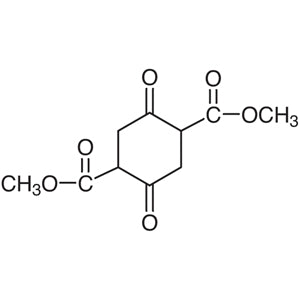
- TCI C1343 6289-46-9 Dimethyl 1,4-Cyclohexanedione-2,5-dicarboxylate
- Organic synthesis projects benefit from DMAC as it provides a stable and reactive starting point for the creation of complex molecules.
- Pharmaceutical research utilizes DMAC in the development of new drug compounds due to its compatibility with a wide range of reagents.
- Material science experiments often incorporate DMAC to create novel materials with specific chemical properties.
- Chemical education programs use DMAC to teach students about azo compounds and their synthetic applications.
- Industrial research and development teams rely on DMAC for the production of specialty chemicals and intermediates.
| Brand | TCI |
|---|---|
| CAS number | 5320-91-2 |
| Molecular formula | — |
| Purity | — |
| Category | Chemistry > Building Blocks > Non-Heterocyclic Building Blocks |
| Pack sizes | Available in various sizes to suit different laboratory needs |
| Physical form | Solid (exact form may vary depending on supplier) |
| Storage | Store in a cool, dry place away from light and moisture |
DMAC should be stored in a cool, dry environment, away from direct light and moisture to maintain its chemical stability. It is recommended to use airtight containers made of materials such as glass or high-density polyethylene to prevent contamination and degradation. In laboratory settings, it is important to handle DMAC with appropriate personal protective equipment, including gloves and safety goggles, to ensure safety during handling. Due to its chemical nature, it should be kept separate from incompatible substances to avoid any potential reactions. Proper labeling and storage practices help ensure the compound remains safe and effective for use in research applications.
—
Produk Terkait
-
DimethylBicyclo[1.1.1]pentane-1,3-dicarboxylate TCI D6351
Regular price Rp 3.260.250,00Regular price -
DimethylCubane-1,4-dicarboxylate TCI D5542
Regular price From Rp 2.359.350,00Regular price -
Dimethyl7-Oxabicyclo[2.2.1]hepta-2,5-diene-2,3-dicarboxylate TCI D4414
Regular price From Rp 1.193.850,00Regular price -
Dimethylcis-4-Cyclohexene-1,2-dicarboxylate TCI D3703
Regular price Rp 2.571.450,00Regular price -
Dimethyltrans-4-Cyclohexene-1,2-dicarboxylate TCI D3692
Regular price From Rp 1.565.550,00Regular price -
Dimethyl1,4-Cyclohexanedione-2,5-dicarboxylate TCI C1343
Regular price From Rp 717.150,00Regular price -
4-Acetamido-2',3-dimethylazobenzene TCI A0073
Regular price Rp 2.625.000,00Regular price -
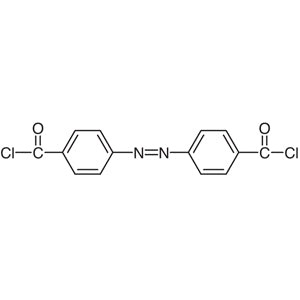
Azobenzene-4,4'-dicarbonylDichloride TCI A1575
Regular price From Rp 3.605.700,00Regular price
![Dimethyl Bicyclo[1.1.1]pentane-1,3-dicarboxylate (CAS 115913-32-1) - TCI D6351 - AMI Scientific](http://amiscientific.com/cdn/shop/files/TCI2510D6351.jpg?v=1767110078&width=533)

![Dimethyl 7-Oxabicyclo[2.2.1]hepta-2,5-diene-2,3-dicarboxylate (CAS 1829-60-3) - TCI D4414 - AMI Scientific](http://amiscientific.com/cdn/shop/files/TCI2510D4414.jpg?v=1767107531&width=533)