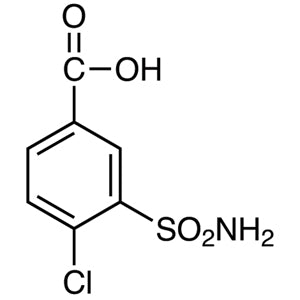
4-Chloro-3-sulfamoylbenzoic Acid is a versatile organic compound widely used in laboratory settings for synthetic reactions. It serves as a key building block in the development of various chemical compounds, particularly in pharmaceutical and organic chemistry research. This compound is essential for chemists aiming to synthesize more complex molecules through substitution and cyclization reactions. Its role in the laboratory is critical due to its ability to participate in multiple chemical transformations, making it a valuable resource for researchers.
The compound’s stability and controlled reactivity make it a preferred choice for synthetic applications. Its molecular structure, featuring both a chloro group and a sulfamoyl group attached to a benzoic acid backbone, allows for a wide range of chemical modifications. These properties enable it to be used in diverse experimental conditions, ensuring consistent results. The compound’s predictable behavior under various reaction conditions enhances its reliability in both small-scale and large-scale laboratory experiments.
In Indonesian laboratories, 4-Chloro-3-sulfamoylbenzoic Acid is commonly used in scientific research, especially in the fields of pharmacology and organic chemistry. Its availability and chemical properties make it a go-to material for researchers working on the development of new chemical compounds. The compound’s adaptability to different synthetic strategies supports its widespread use in both academic and industrial research settings.
Related TCI products
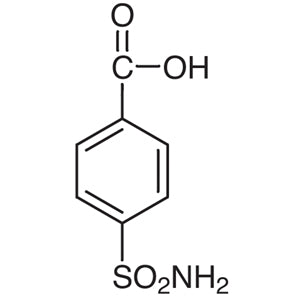
- TCI S0323 138-41-0 4-Sulfamoylbenzoic Acid
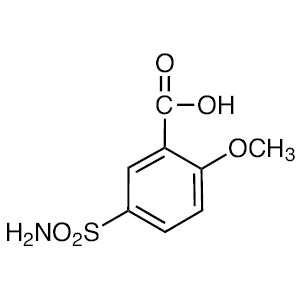
- TCI M2771 22117-85-7 2-Methoxy-5-sulfamoylbenzoic Acid
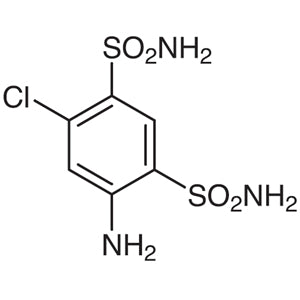
- TCI A1362 121-30-2 4-Amino-6-chloro-1,3-benzenedisulfonamide
- TCI A0896 6627-59-4 Sodium 2-Amino-4-chloro-5-methylbenzenesulfonate
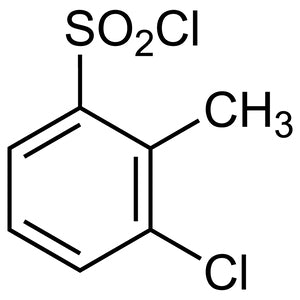
- TCI C4126 80563-86-6 3-Chloro-2-methylbenzenesulfonyl Chloride
- TCI C2740 22952-32-5 5-Chloro-2-methoxybenzenesulfonyl Chloride
- Organic synthesis applications benefit from this compound’s ability to participate in substitution and cyclization reactions, making it ideal for creating complex molecular structures.
- Pharmaceutical research utilizes this material due to its structural versatility, enabling the synthesis of drug-like molecules with targeted functionalities.
- Chemical development projects rely on its stability and reactivity to design new compounds with specific properties for industrial or medicinal use.
- Academic research in Indonesian universities frequently employs this compound for teaching and experimental purposes in organic chemistry courses.
- Industrial laboratories use it as a building block for the production of specialty chemicals, supporting innovation in chemical manufacturing processes.
| Brand | TCI |
|---|---|
| CAS number | 1205-30-7 |
| Molecular formula | — |
| Purity | — |
| Category | Chemistry > Building Blocks > Non-Heterocyclic Building Blocks |
| Pack sizes | Available in various quantities as per supplier specifications |
| Physical form | Solid, typically in crystalline or powder form |
| Storage | Store in a cool, dry place away from direct sunlight and moisture |
This compound should be stored in a cool, dry environment to maintain its chemical integrity. It is recommended to keep it in a sealed container to prevent exposure to moisture and air, which could lead to degradation. Suitable storage containers include glass or high-density polyethylene vessels that are resistant to chemical reactions. In laboratory settings, it is important to handle the compound with appropriate personal protective equipment, such as gloves and safety goggles, to ensure safety during handling. Proper ventilation should be maintained when working with the compound to minimize inhalation risks. The compound is generally stable under normal laboratory conditions, but it should be kept away from incompatible substances to avoid any potential chemical interactions.
—
Produk Terkait
-
4-SulfamoylbenzoicAcid TCI S0323
Regular price Rp 717.150,00Regular priceRp 516.600,00Sale price Rp 717.150,00 -
2-Methoxy-5-sulfamoylbenzoicAcid TCI M2771
Regular price Rp 795.900,00Regular priceRp 572.250,00Sale price Rp 795.900,00 -
4-Amino-6-chloro-1,3-benzenedisulfonamide TCI A1362
Regular price Rp 848.400,00Regular priceRp 609.000,00Sale price Rp 848.400,00 -
Sodium2-Amino-4-chloro-5-methylbenzenesulfonate TCI A0896
Regular price Rp 452.550,00Regular priceRp 316.050,00Sale price Rp 452.550,00 -
3-Chloro-2-methylbenzenesulfonylChloride TCI C4126
Regular price Rp 1.035.300,00Regular priceRp 723.450,00Sale price Rp 1.035.300,00 -
5-Chloro-2-methoxybenzenesulfonylChloride TCI C2740
Regular price Rp 1.538.250,00Regular priceRp 1.075.200,00Sale price Rp 1.538.250,00 -
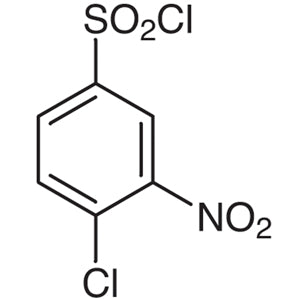
4-Chloro-3-nitrobenzenesulfonylChloride TCI C1887
Regular price Rp 717.150,00Regular priceRp 500.850,00Sale price Rp 717.150,00 -
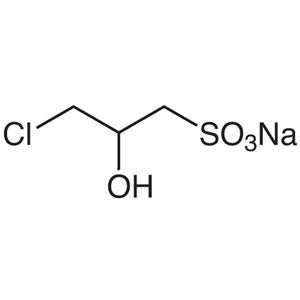
Sodium3-Chloro-2-hydroxypropanesulfonate TCI C1144
Regular price Rp 505.050,00Regular priceRp 352.800,00Sale price Rp 505.050,00