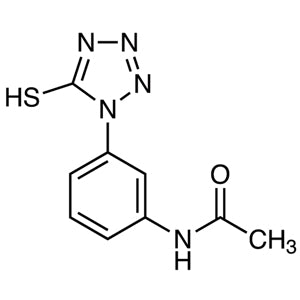
1-(3-Acetamidophenyl)-5-mercaptotetrazole is a chemical compound widely used in organic chemistry laboratories for its versatility in synthetic reactions. It serves as a key building block in the synthesis of heterocyclic compounds, which are essential in pharmaceutical and industrial applications. This compound is particularly valuable due to its unique molecular structure, which includes both a thiazole group and an acetylamide group. These functional groups enable it to participate in a variety of chemical transformations, making it an important reagent in the development of new chemical entities.
The compound’s chemical properties, such as its stability under certain conditions and its reactivity with various functional groups, make it a preferred choice for researchers. Its ability to form covalent bonds with other molecules allows it to be used in substitution and cross-linking reactions. These characteristics are crucial in the synthesis of bioactive compounds and in the exploration of new chemical pathways. Its reactivity and structural complexity also make it a valuable tool in the study of molecular interactions and reaction mechanisms.
In Indonesian laboratories, 1-(3-Acetamidophenyl)-5-mercaptotetrazole is commonly used in pharmacological and organic chemistry research. It is a key component in the development of new drug candidates and industrial chemical products. Many research institutions and universities in Indonesia rely on this compound for its role in advancing chemical synthesis and biological activity studies. Its widespread use reflects its importance in both academic and industrial research settings.
Related TCI products
- TCI D2032 61607-68-9 1-(2-Dimethylaminoethyl)-5-mercaptotetrazole
- TCI B1355 28506-01-6 1-Benzyl-3-acetamidopyrrolidine
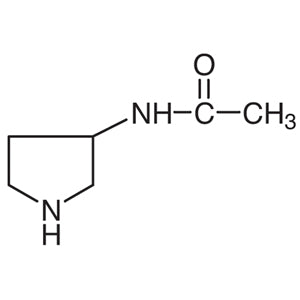
- TCI A1108 79286-74-1 3-Acetamidopyrrolidine
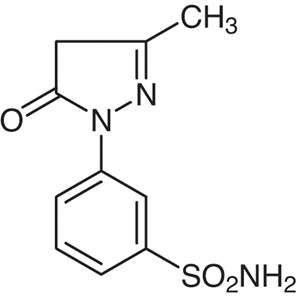
- TCI M0659 89-29-2 3-Methyl-1-(3'-sulfoamidophenyl)-5-pyrazolone
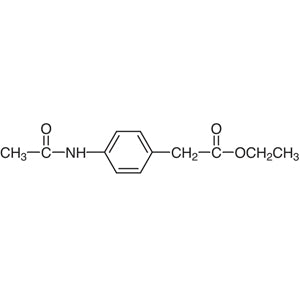
- TCI E0585 13475-17-7 Ethyl 4-Acetamidophenylacetate
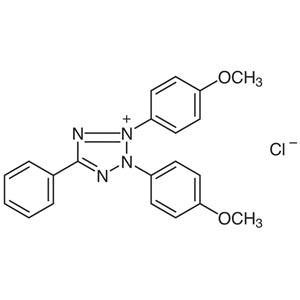
- TCI B1056 104497-79-2 2,3-Bis(4-methoxyphenyl)-5-phenyltetrazolium Chloride
- Organic synthesis of heterocyclic compounds due to its reactive thiazole and acetylamide groups.
- Development of pharmaceuticals as a building block for bioactive molecule synthesis.
- Industrial chemical production for the creation of specialized chemical intermediates.
- Research in medicinal chemistry for the design of new therapeutic agents.
- Exploration of chemical reactivity in academic and industrial research settings.
| Brand | TCI |
|---|---|
| CAS number | 14070-48-5 |
| Molecular formula | — |
| Purity | — |
| Category | Chemistry > Building Blocks > Heterocyclic Building Blocks |
| Pack sizes | Available in standard laboratory quantities |
| Physical form | Solid powder (as per standard product description) |
| Storage | Store in a cool, dry place away from oxidizing agents |
This compound should be stored in a cool, dry environment to maintain its chemical stability. It is recommended to keep it in a sealed container to prevent exposure to moisture and air. Due to its sensitivity to oxidizing agents, it should be stored separately from reactive chemicals. Laboratory personnel should handle it with appropriate personal protective equipment, such as gloves and safety goggles. It is important to ensure proper ventilation in the workspace to minimize inhalation risks. The compound should be kept in a designated chemical storage area to prevent accidental contamination or exposure. Always follow standard laboratory safety protocols when working with this material.
—
Produk Terkait
-
1-(2-Dimethylaminoethyl)-5-mercaptotetrazole TCI D2032
Regular price Rp 1.246.350,00Regular price -
1-Benzyl-3-acetamidopyrrolidine TCI B1355
Regular price From Rp 1.378.650,00Regular price -
3-Acetamidopyrrolidine TCI A1108
Regular price From Rp 1.829.100,00Regular price -
3-Methyl-1-(3'-sulfoamidophenyl)-5-pyrazolone TCI M0659
Regular price Rp 795.900,00Regular price -
Ethyl4-Acetamidophenylacetate TCI E0585
Regular price From Rp 1.485.750,00Regular price -
2,3-Bis(4-methoxyphenyl)-5-phenyltetrazoliumChloride TCI B1056
Regular price Rp 6.599.250,00Regular price -
2,3-Bis(4-nitrophenyl)-5-phenyltetrazoliumChloride TCI B1047
Regular price Rp 3.446.100,00Regular price