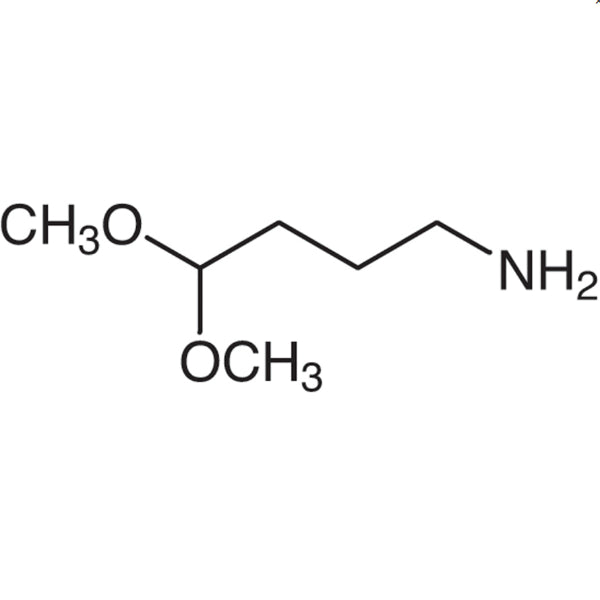
4-Aminobutyraldehyde Dimethyl Acetal (CAS 19060-15-2) is a chemical compound widely used as a building block in organic synthesis. This versatile reagent plays a critical role in laboratories where complex organic molecules are being developed. It is commonly employed in reactions that involve carbon-carbon bond formation or substitution processes. Its utility stems from its ability to participate in various chemical transformations, making it an essential component in synthetic pathways. In laboratory settings, this compound is used to create a wide range of functional groups, including amines and aldehydes, which are fundamental in the development of pharmaceuticals and other advanced materials.
The compound’s high reactivity and volatility make it a preferred choice for chemists working on nucleophilic and reduction reactions. Its ability to act as a precursor for the synthesis of heterocyclic compounds and more complex structures further enhances its value. The compound’s volatility and tendency to degrade require careful handling, but its reactivity and versatility justify the precautions. Its role in both academic and industrial research underscores its importance in the field of organic chemistry.
In Indonesian laboratories, this compound is frequently used in organic chemistry research, particularly in pharmacology, material science, and analytical chemistry. Its availability and effectiveness in supporting a variety of chemical reactions make it a popular choice among researchers. The compound’s role in local research initiatives highlights its significance in advancing scientific innovation in the region.
Related TCI products
- TCI D3535 19718-92-4 4-(Dimethylamino)butyraldehyde Dimethyl Acetal
- TCI B1901 36255-44-4 3-Bromopropionaldehyde Dimethyl Acetal
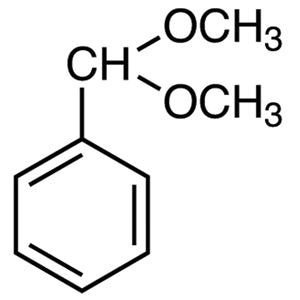
- TCI B1197 1125-88-8 Benzaldehyde Dimethyl Acetal
- TCI B1097 7252-83-7 Bromoacetaldehyde Dimethyl Acetal (stabilized with K2CO3)
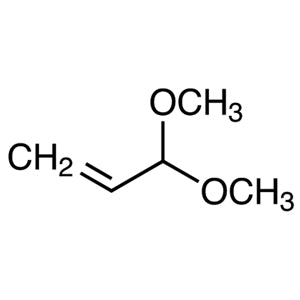
- TCI A2455 6044-68-4 Acrolein Dimethyl Acetal
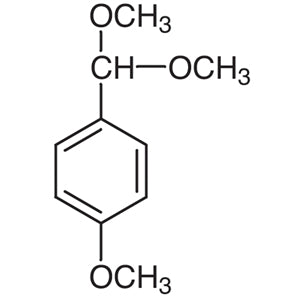
- TCI A1247 2186-92-7 p-Anisaldehyde Dimethyl Acetal
- Organic synthesis in pharmaceutical research due to its ability to form complex molecular structures.
- Development of new materials through its participation in carbon-carbon bond formation reactions.
- Analytical chemistry applications where it serves as a reagent for compound identification and modification.
- Drug discovery processes that rely on its reactivity in nucleophilic substitution and reduction reactions.
- Academic research in chemistry where it is used to explore new synthetic pathways and functional group transformations.
| Brand | TCI |
|---|---|
| CAS number | 19060-15-2 |
| Molecular formula | — |
| Purity | — |
| Category | Chemistry > Building Blocks > Non-Heterocyclic Building Blocks |
| Pack sizes | Available in various quantities as per standard laboratory supply |
| Physical form | Liquid |
| Storage | Requires refrigeration to maintain stability and prevent degradation |
This compound should be stored in a cool, dark place to minimize degradation and maintain its chemical integrity. It is recommended to keep it in a tightly sealed container to prevent exposure to air and moisture, which can affect its reactivity. Due to its volatility, it should be handled in a well-ventilated area or fume hood to ensure safety. Laboratory personnel should wear appropriate personal protective equipment, such as gloves and goggles, when working with this material. The compound is sensitive to light and heat, so storage conditions should be controlled to preserve its effectiveness. Proper labeling and safe handling practices are essential to prevent accidental exposure and ensure compliance with laboratory safety protocols.
—
Produk Terkait
-
4-(Dimethylamino)butyraldehydeDimethylAcetal TCI D3535
Regular price From Rp 1.803.900,00Regular price -
3-BromopropionaldehydeDimethylAcetal TCI B1901
Regular price From Rp 2.359.350,00Regular price -
BenzaldehydeDimethylAcetal TCI B1197
Regular price From Rp 477.750,00Regular price -
BromoacetaldehydeDimethylAcetal(stabilizedwithK2CO3) TCI B1097
Regular price From Rp 1.298.850,00Regular price -
AcroleinDimethylAcetal TCI A2455
Regular price From Rp 2.757.300,00Regular price -
p-AnisaldehydeDimethylAcetal TCI A1247
Regular price From Rp 1.803.900,00Regular price -
AminoacetaldehydeDimethylAcetal TCI A0801
Regular price Rp 1.590.750,00Regular priceRp 1.127.700,00Sale price Rp 1.590.750,00 -
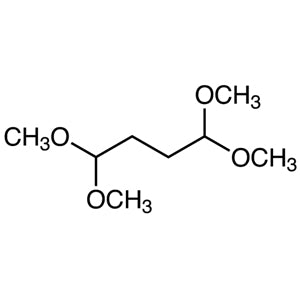
SuccinaldehydeBis(dimethylAcetal) TCI S0371
Regular price Rp 2.439.150,00Regular priceRp 1.705.200,00Sale price Rp 2.439.150,00