Artemisinin is a chemical compound widely used in scientific research, particularly in the fields of pharmacology and biochemistry. It is a key component of highly effective antimalarial drugs, making it a valuable tool for studying drug mechanisms and developing new therapeutic approaches. In the laboratory, artemisinin serves as a critical reagent for various biochemical and pharmacological investigations. Its unique molecular structure makes it an essential material for chemical analysis and organic synthesis. Due to its relevance in drug discovery and biological activity testing, it is frequently used in both academic and industrial research settings.
Artemisinin is preferred for its high purity and solid form, which ensures consistent results in experiments. It is easily soluble in organic solvents, facilitating its use in a wide range of analytical and synthetic procedures. The compound exhibits chemical stability under certain conditions, though it is highly sensitive to oxidation and light exposure. These properties necessitate careful handling and storage to maintain its integrity and effectiveness. Its reliability and reproducibility make it a trusted choice for researchers seeking accurate and dependable results.
In Indonesian laboratories, artemisinin is commonly used in research focused on malaria treatment, parasitic inhibition, and drug development. Its availability in high-purity form and ease of handling make it an ideal reagent for both basic and advanced scientific studies. Researchers in Indonesia rely on artemisinin for its role in biological activity assays and as a reference material in pharmaceutical and biochemical investigations.
TCI brochures (PDF)
- Terpenes 2025-09-22 · p. 7
- Antimicrobials and Antitumor Agents for Research and Experimental Use 2025-04-24 · p. 10
- Pharmaceutical Ingredients for Research and Experimental Use 2026-03-09 · p. 10
- Artemisinin is widely used in antimalarial drug research due to its effectiveness against malaria parasites.
- It is essential in the development of new therapeutic agents for parasitic infections and drug resistance studies.
- The compound is frequently employed in biochemical assays to evaluate the activity of compounds against parasitic organisms.
- Artemisinin supports pharmacological studies aimed at understanding drug mechanisms and bioavailability.
- It is a key reagent in organic synthesis experiments involving complex molecular structures and chemical modifications.
From the TCI brochure
- Antimalarial drug
| Brand | TCI |
|---|---|
| CAS number | 63968-64-9 |
| Molecular formula | — |
| Purity | — |
| Category | Life Science > Biochemicals and Reagents > Antibiotics |
| Pack sizes | As available |
| Physical form | Solid |
| Storage | Store in a cool, dark place away from light and oxidizing agents |
Artemisinin should be stored in a cool, dark environment to prevent degradation due to light exposure. It is recommended to keep it in airtight containers to minimize contact with air and moisture, which can lead to oxidation. The compound is sensitive to light and should be protected from direct sunlight or fluorescent lighting. For long-term storage, it is best kept in a refrigerator at a temperature below 20°C. Laboratory personnel should handle artemisinin with care, using appropriate personal protective equipment when necessary. Proper storage and handling ensure the compound remains stable and effective for research applications.
—
Product Categories
- Biochemicals and ReagentsAntibioticsAntibiotics (by Application)
- Biochemicals and ReagentsPharmaceutical Research Reagents (for Experimental Use)Antiparasitic Ingredients, Antiprotozoal Ingredients, Antihelminthic Ingredients (for Research and Experimental Use)
- Biochemicals and ReagentsTerpenesSesquiterpenes
- MicrobiologyAntibioticsAntibiotics (by Application)
- Pharmaceutical Development and Drug Discovery ResearchPharmaceutical Research Reagents (for Experimental Use)Antiparasitic Ingredients, Antiprotozoal Ingredients, Antihelminthic Ingredients (for Research and Experimental Use)
- Pharmaceutical Development and Drug Discovery ResearchAntibioticsAntibiotics (by Application)
Produk Terkait
-
Dihydroartemisinin TCI D3793
Regular price From Rp 2.571.450,00Regular priceRp 1.813.350,00Sale price From Rp 2.571.450,00 -
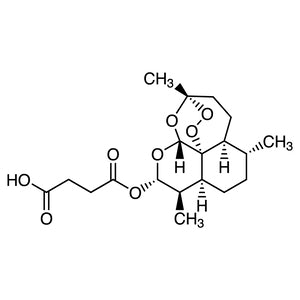
Artesunate TCI A2191
Regular price From Rp 1.405.950,00Regular priceRp 998.550,00Sale price From Rp 1.405.950,00 -
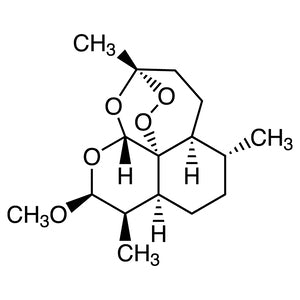
Artemether TCI A2190
Regular price From Rp 1.801.800,00Regular priceRp 1.275.750,00Sale price From Rp 1.801.800,00 -
Dihydroartemisinicacid TCI D6147
Regular price From Rp 2.359.350,00Regular priceRp 1.665.300,00Sale price From Rp 2.359.350,00 -
TafenoquineSuccinate TCI T4392
Regular price Rp 8.240.400,00Regular priceRp 5.778.150,00Sale price Rp 8.240.400,00 -
Tizoxanide TCI T3862
Regular price From Rp 7.154.700,00Regular priceRp 5.019.000,00Sale price From Rp 7.154.700,00 -
TetramisoleHydrochloride TCI T3663
Regular price Rp 2.093.700,00Regular priceRp 1.479.450,00Sale price Rp 2.093.700,00 -
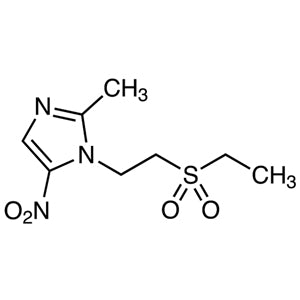
Tinidazole TCI T3058
Regular price From Rp 795.900,00Regular priceRp 572.250,00Sale price From Rp 795.900,00