Artesunate is a chemical compound widely used in life sciences research, particularly in pharmacology and biochemistry. As a derivative of quinine, it is recognized as an antimalarial drug and plays a crucial role in testing antibacterial and antimalarial activities. In laboratories, it serves as a key reagent for studying drug mechanisms and evaluating the effectiveness of antimalarial compounds. Its versatility makes it an essential tool for researchers aiming to develop new therapeutic agents.
Artesunate is valued for its chemical stability under specific conditions and its solubility in organic solvents, which facilitates its use in various experimental setups. Its solid form and compatibility with different solvents make it easy to handle and incorporate into complex chemical reactions. Additionally, its ability to be used as a starting material for the synthesis of other compounds enhances its utility in biochemical research. These properties contribute to its popularity among scientists working in life sciences.
In Indonesian laboratories, Artesunate is commonly used in research related to infectious diseases, especially in the development of new antimalarial drugs and the evaluation of their efficacy. It is also frequently found in clinical and basic research focused on pharmacology and biochemistry. Its role in understanding drug mechanisms and testing therapeutic potential makes it a vital component of many research projects in the region.
TCI brochures (PDF)
- Efflux Pump Research Reagents 2024-12-24 · p. 1
- Pharmacologically Active Metabolites 2025-07-22 · p. 1
- Terpenes 2025-09-22 · p. 7
- Antimicrobials and Antitumor Agents for Research and Experimental Use 2025-04-24 · p. 10
- Pharmaceutical Ingredients for Research and Experimental Use 2026-03-09 · p. 10
- Antimalarial Drug Development: Artesunate is used to evaluate the effectiveness of antimalarial compounds against various strains of malaria parasites.
- Antibacterial Activity Testing: It is employed in assays to assess the antibacterial properties of new compounds against pathogenic bacteria.
- Biochemical Research: Artesunate serves as a reagent in experiments investigating the biochemical pathways and mechanisms of drug action.
- Drug Synthesis: It is commonly used as a starting material for the synthesis of other pharmaceutical compounds in organic chemistry laboratories.
- Clinical Research: It is utilized in studies to understand the pharmacokinetics and pharmacodynamics of antimalarial drugs in human and animal models.
| Brand | TCI |
|---|---|
| CAS number | 88495-63-0 |
| Molecular formula | — |
| Purity | — |
| Category | Life Science > Biochemicals and Reagents > Antibiotics |
| Pack sizes | Available in various quantities as per standard laboratory supply |
| Physical form | Solid |
| Storage | Must be stored in a dry, cool place away from moisture and air exposure |
Artesunate should be stored in a dry, cool environment to prevent degradation due to moisture and air exposure. It is recommended to use airtight containers to minimize contact with atmospheric humidity. Since it is sensitive to environmental conditions, it should be kept in a controlled laboratory setting away from direct sunlight and high temperatures. Proper labeling and secure storage are essential to ensure its integrity and prevent contamination. Regular monitoring of storage conditions is advised to maintain its chemical stability and effectiveness for research purposes.
—
Product Categories
- Biochemicals and ReagentsAntibioticsAntibiotics (by Application)
- Biochemicals and ReagentsPharmaceutical Research Reagents (for Experimental Use)Antiparasitic Ingredients, Antiprotozoal Ingredients, Antihelminthic Ingredients (for Research and Experimental Use)
- Biochemicals and ReagentsTerpenesSesquiterpenes
- Cell BiologyCancer ResearchAntitumor Agents for Research
- MicrobiologyAntibioticsAntibiotics (by Application)
- MicrobiologyEfflux Pump ResearchEfflux Pump Inhibitors
- Pharmaceutical Development and Drug Discovery ResearchPharmaceutical Research Reagents (for Experimental Use)Antiparasitic Ingredients, Antiprotozoal Ingredients, Antihelminthic Ingredients (for Research and Experimental Use)
- Pharmaceutical Development and Drug Discovery ResearchAntibioticsAntibiotics (by Application)
Produk Terkait
-
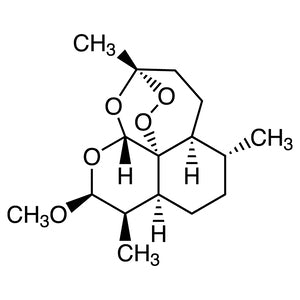
Artemether TCI A2190
Regular price From Rp 1.801.800,00Regular priceRp 1.275.750,00Sale price From Rp 1.801.800,00 -
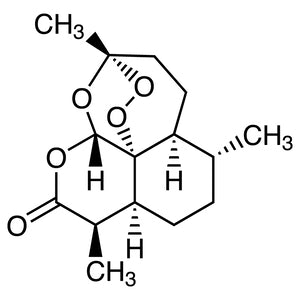
Artemisinin TCI A2118
Regular price From Rp 1.192.800,00Regular priceRp 849.450,00Sale price From Rp 1.192.800,00 -
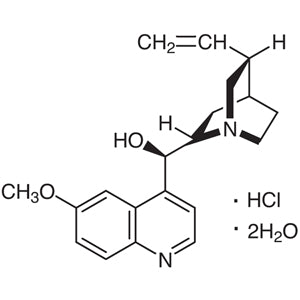
QuinineHydrochlorideDihydrate TCI Q0030
Regular price Rp 1.670.550,00Regular priceRp 1.183.350,00Sale price Rp 1.670.550,00 -
Quinine TCI Q0028
Regular price From Rp 3.232.950,00Regular priceRp 2.276.400,00Sale price From Rp 3.232.950,00 -
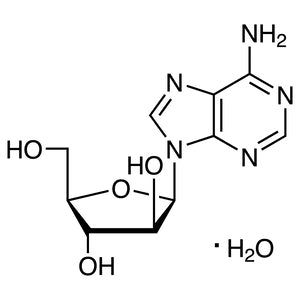
VidarabineMonohydrate TCI V0098
Regular price From Rp 3.710.700,00Regular priceRp 2.610.300,00Sale price From Rp 3.710.700,00 -
SulconazoleNitrate TCI U0112
Regular price From Rp 3.312.750,00Regular priceRp 2.332.050,00Sale price From Rp 3.312.750,00 -
Bifonazole TCI B4173
Regular price From Rp 1.192.800,00Regular priceRp 849.450,00Sale price From Rp 1.192.800,00 -
Thymine1-beta-D-Arabinofuranoside TCI A3756
Regular price Rp 8.585.850,00Regular priceRp 6.019.650,00Sale price Rp 8.585.850,00