4-Amino-2-chloro-6,7-dimethoxyquinazoline is a chemical compound widely used in laboratory settings as a building block for the synthesis of complex heterocyclic compounds. Its unique molecular structure makes it a versatile reagent in organic chemistry, particularly in the development of bioactive molecules. This compound is commonly employed in research focused on creating pharmaceuticals and pharmacologically active substances due to its potential for functional group modification and reactivity. Its presence in various chemical reactions allows scientists to explore new synthetic pathways and molecular designs.
The compound's stability and reactivity are key factors that make it a preferred choice in synthetic chemistry. The quinazoline ring provides a stable framework, while the amino and chloro groups introduce reactivity and opportunities for substitution. These characteristics enable chemists to tailor the compound for specific applications, such as drug development or the creation of novel chemical entities. Its ability to participate in a wide range of chemical transformations makes it a valuable tool in both academic and industrial research environments.
In Indonesian laboratories, 4-Amino-2-chloro-6,7-dimethoxyquinazoline is frequently used in organic chemistry and pharmacology research. Local researchers utilize this compound to develop new pharmacologically active substances, particularly in the field of medicinal chemistry. It plays a crucial role in the synthesis of compounds with potential therapeutic applications, contributing to advancements in drug discovery and chemical innovation.
Related TCI products
- TCI C2574 13790-39-1 4-Chloro-6,7-dimethoxyquinazoline
- TCI D3746 27631-29-4 2,4-Dichloro-6,7-dimethoxyquinazoline
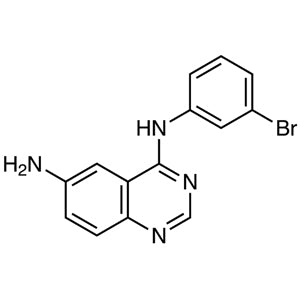
- TCI B5416 169205-78-1 N4-(3-Bromophenyl)quinazoline-4,6-diamine
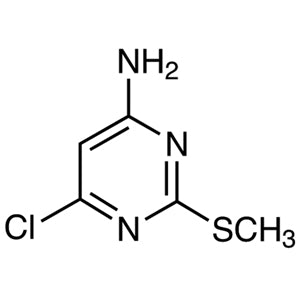
- TCI A2848 1005-38-5 4-Amino-6-chloro-2-(methylthio)pyrimidine
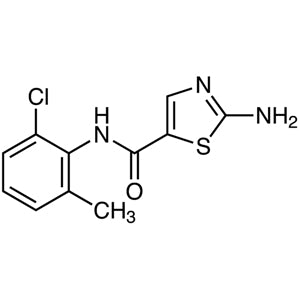
- TCI A2773 302964-24-5 2-Amino-N-(2-chloro-6-methylphenyl)thiazole-5-carboxamide
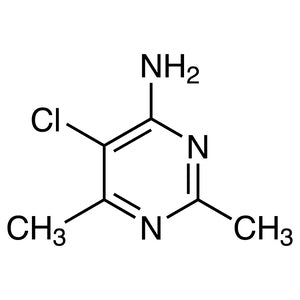
- TCI A1901 2858-20-0 4-Amino-5-chloro-2,6-dimethylpyrimidine
- Organic synthesis of heterocyclic compounds due to its stable quinazoline ring and reactive functional groups.
- Development of pharmaceuticals and pharmacologically active substances through functional group modification.
- Research in medicinal chemistry for the creation of new therapeutic agents with targeted biological activity.
- Investigation of chemical reactivity and substitution patterns in complex molecular structures.
- Support for academic and industrial research in drug discovery and chemical innovation.
| Brand | TCI |
|---|---|
| CAS number | 23680-84-4 |
| Molecular formula | — |
| Purity | — |
| Category | Chemistry > Building Blocks > Heterocyclic Building Blocks |
| Pack sizes | As available from supplier |
| Physical form | Solid (as per standard chemical product form) |
| Storage | Store in a cool, dry place away from light and incompatible substances. |
This compound should be stored in a cool, dry environment, away from direct sunlight and sources of heat. It is recommended to use airtight containers to prevent moisture absorption and contamination. Due to its chemical nature, it should be kept separate from strong oxidizing or reducing agents to avoid unwanted reactions. Proper personal protective equipment, such as gloves and safety goggles, should be worn when handling to ensure laboratory safety. The compound is generally stable under standard storage conditions but should be handled with care to maintain its integrity and effectiveness in research applications.
—
Product Categories
Produk Terkait
-
4-Chloro-6,7-dimethoxyquinazoline TCI C2574
Regular price From Rp 1.618.050,00Regular priceRp 1.146.600,00Sale price From Rp 1.618.050,00 -
2,4-Dichloro-6,7-dimethoxyquinazoline TCI D3746
Regular price Rp 3.790.500,00Regular priceRp 2.665.950,00Sale price Rp 3.790.500,00 -
N4-(3-Bromophenyl)quinazoline-4,6-diamine TCI B5416
Regular price From Rp 875.700,00Regular priceRp 627.900,00Sale price From Rp 875.700,00 -
4-Amino-6-chloro-2-(methylthio)pyrimidine TCI A2848
Regular price Rp 1.776.600,00Regular priceRp 1.257.900,00Sale price Rp 1.776.600,00 -
2-Amino-N-(2-chloro-6-methylphenyl)thiazole-5-carboxamide TCI A2773
Regular price From Rp 822.150,00Regular priceRp 590.100,00Sale price From Rp 822.150,00 -
4-Amino-5-chloro-2,6-dimethylpyrimidine TCI A1901
Regular price From Rp 1.060.500,00Regular priceRp 757.050,00Sale price From Rp 1.060.500,00