2-Amino-6-chloro-3-formylchromone is a chemical compound widely used in organic synthesis reactions within laboratory settings. It belongs to the category of heterocyclic building blocks, which are essential components for the synthesis of complex molecules. This compound is particularly valuable in the development of aromatic ring structures with diverse biological functions. Its unique chemical structure, featuring an amino group, a chloro group, and a formyl group, contributes to its high reactivity and versatility in various chemical transformations.
The compound's reactivity is enhanced by its functional groups, making it a preferred choice for substitution, condensation, and other reactions requiring stability and reactivity. These properties enable it to be a key player in the synthesis of pharmaceutical compounds and advanced materials. Its ability to participate in multiple reaction pathways makes it a reliable and adaptable reagent for researchers. The compound's chemical profile also supports its application in both academic and industrial research environments.
In Indonesian laboratories, 2-Amino-6-chloro-3-formylchromone is commonly used in chemical and pharmaceutical research. It is a staple in academic institutions and research centers, where it is employed to develop new compounds with potential therapeutic or industrial applications. Its availability in the local market ensures that researchers have access to this essential building block for their experiments.
Related TCI products
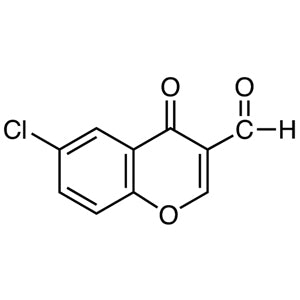
- TCI C2869 42248-31-7 6-Chloro-3-formylchromone
- TCI B2183 52817-12-6 6-Bromo-3-formylchromone
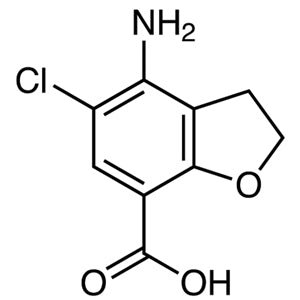
- TCI A2918 123654-26-2 4-Amino-5-chloro-2,3-dihydrobenzofuran-7-carboxylic Acid
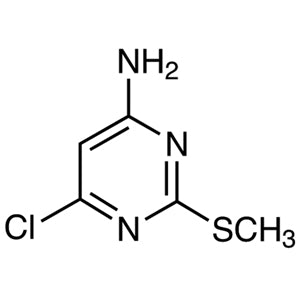
- TCI A2848 1005-38-5 4-Amino-6-chloro-2-(methylthio)pyrimidine
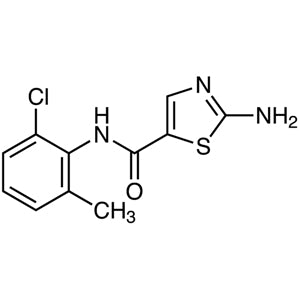
- TCI A2773 302964-24-5 2-Amino-N-(2-chloro-6-methylphenyl)thiazole-5-carboxamide
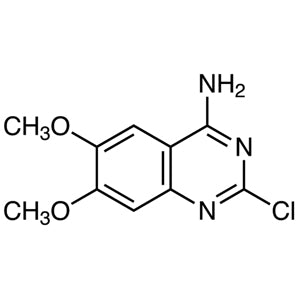
- TCI A2151 23680-84-4 4-Amino-2-chloro-6,7-dimethoxyquinazoline
- Organic synthesis reactions benefit from this compound's reactivity and functional group versatility, enabling the creation of complex molecular structures.
- Pharmaceutical research utilizes its unique structure to develop new drugs with targeted biological activities and therapeutic potential.
- Material science applications leverage its chemical properties to design advanced materials with specific functional characteristics.
- Academic research in chemistry and pharmacology relies on its role as a fundamental building block for molecular design and innovation.
- Industrial chemical processes incorporate it for the production of specialized compounds requiring precise chemical transformations.
| Brand | TCI |
|---|---|
| CAS number | 68301-77-9 |
| Molecular formula | — |
| Purity | — |
| Category | Chemistry > Building Blocks > Heterocyclic Building Blocks |
| Pack sizes | Available in various quantities as per supplier specifications |
| Physical form | Solid (as per standard product description) |
| Storage | Store in a cool, dry place away from light and moisture |
This compound should be stored in a cool, dry environment, away from direct light and moisture to maintain its chemical integrity. It is recommended to use airtight containers to prevent exposure to air and humidity, which could affect its reactivity. Due to its chemical nature, it should be handled with appropriate personal protective equipment, such as gloves and safety goggles, to ensure laboratory safety. Proper ventilation is essential when working with this compound to minimize inhalation risks. It is important to follow standard laboratory protocols for chemical handling to ensure safe and effective use in research applications.
—
Produk Terkait
-
6-Chloro-3-formylchromone TCI C2869
Regular price From Rp 980.700,00Regular priceRp 701.400,00Sale price From Rp 980.700,00 -
6-Bromo-3-formylchromone TCI B2183
Regular price From Rp 637.350,00Regular priceRp 460.950,00Sale price From Rp 637.350,00 -
4-Amino-5-chloro-2,3-dihydrobenzofuran-7-carboxylicAcid TCI A2918
Regular price From Rp 1.405.950,00Regular priceRp 998.550,00Sale price From Rp 1.405.950,00 -
4-Amino-6-chloro-2-(methylthio)pyrimidine TCI A2848
Regular price Rp 1.776.600,00Regular priceRp 1.257.900,00Sale price Rp 1.776.600,00 -
2-Amino-N-(2-chloro-6-methylphenyl)thiazole-5-carboxamide TCI A2773
Regular price From Rp 822.150,00Regular priceRp 590.100,00Sale price From Rp 822.150,00 -
4-Amino-2-chloro-6,7-dimethoxyquinazoline TCI A2151
Regular price From Rp 717.150,00Regular priceRp 516.600,00Sale price From Rp 717.150,00 -
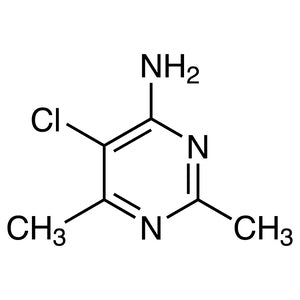
4-Amino-5-chloro-2,6-dimethylpyrimidine TCI A1901
Regular price From Rp 1.060.500,00Regular priceRp 757.050,00Sale price From Rp 1.060.500,00 -
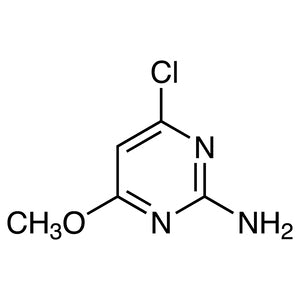
2-Amino-4-chloro-6-methoxypyrimidine TCI A1520
Regular price From Rp 530.250,00Regular priceRp 386.400,00Sale price From Rp 530.250,00