6-Chloro-3-formylchromone is a chemical compound widely used in organic synthesis reactions, particularly in the formation of heterocyclic compounds. It plays a key role in laboratory settings where the development of complex molecular structures is required. This compound is valued for its ability to participate in substitution and condensation reactions, making it a versatile tool in synthetic chemistry. Its unique structure, featuring a chromone ring with chloro and formyl substituents, contributes to its reactivity and utility in various chemical processes.
The compound’s reactivity and structural complexity make it a preferred choice for researchers working in organic chemistry and pharmacology. Its ability to undergo a range of chemical transformations allows it to be used in the synthesis of pharmaceuticals, agrochemicals, and other industrially relevant compounds. The presence of both a chloro group and a formyl group enhances its functional versatility, enabling it to serve as a building block for a wide array of chemical applications. Its chemical stability under controlled conditions further supports its reliability in laboratory environments.
In Indonesian laboratories, 6-Chloro-3-formylchromone is commonly used in the synthesis of complex organic molecules, including drug compounds and specialty chemicals. Its availability in international markets and various packaging options makes it accessible for research and development activities. The compound’s sensitivity to moisture and air requires careful handling, but its utility in creating novel chemical structures justifies its use in advanced laboratory work.
Related TCI products
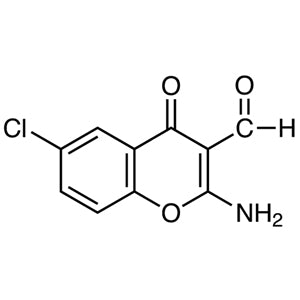
- TCI A2743 68301-77-9 2-Amino-6-chloro-3-formylchromone
- TCI B2183 52817-12-6 6-Bromo-3-formylchromone
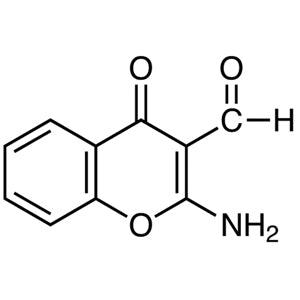
- TCI A2415 61424-76-8 2-Amino-3-formylchromone
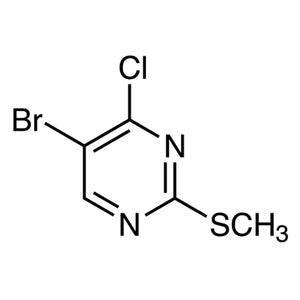
- TCI B4406 63810-78-6 5-Bromo-4-chloro-2-(methylthio)pyrimidine
- TCI B2914 83857-96-9 2-Butyl-5-chloro-1H-imidazole-4-carboxaldehyde
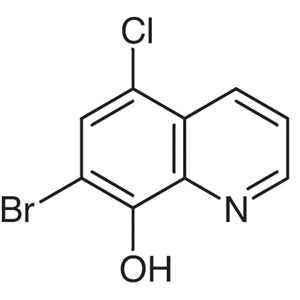
- TCI B1190 7640-33-7 7-Bromo-5-chloro-8-hydroxyquinoline
- Organic synthesis is a primary application where 6-Chloro-3-formylchromone is used to create complex molecular structures through substitution and condensation reactions.
- Pharmacological research benefits from this compound due to its ability to participate in reactions that lead to the development of new drug candidates.
- Heterocyclic compound synthesis relies heavily on this material because of its chromone ring structure, which is essential in building diverse chemical frameworks.
- Industrial chemical production utilizes this compound as a key intermediate in the manufacturing of specialty chemicals and agrochemicals.
- Analytical chemistry applications involve the use of this compound as a reference standard for identifying and quantifying similar chemical species.
| Brand | TCI |
|---|---|
| CAS number | 42248-31-7 |
| Molecular formula | — |
| Purity | — |
| Category | Chemistry > Building Blocks > Heterocyclic Building Blocks |
| Pack sizes | Available in various packaging options to suit different laboratory needs |
| Physical form | Solid, typically in crystalline or powder form |
| Storage | Store in a dry, cool place away from moisture and air exposure |
6-Chloro-3-formylchromone should be stored in a dry, cool environment to maintain its chemical stability. It is recommended to keep the compound in a sealed container to prevent exposure to moisture and air, which can affect its reactivity. Suitable storage containers include glass or high-density polyethylene (HDPE) bottles with tight-fitting lids. In laboratory settings, it is important to handle the compound with care, using appropriate personal protective equipment such as gloves and safety goggles. Avoid prolonged exposure to light and heat to preserve its chemical integrity. Regular monitoring of storage conditions ensures the compound remains effective for its intended applications.
—
Produk Terkait
-
2-Amino-6-chloro-3-formylchromone TCI A2743
Regular price From Rp 1.326.150,00Regular price -
6-Bromo-3-formylchromone TCI B2183
Regular price From Rp 584.850,00Regular price -
2-Amino-3-formylchromone TCI A2415
Regular price Rp 1.405.950,00Regular price -
5-Bromo-4-chloro-2-(methylthio)pyrimidine TCI B4406
Regular price From Rp 955.500,00Regular price -
2-Butyl-5-chloro-1H-imidazole-4-carboxaldehyde TCI B2914
Regular price Rp 1.115.100,00Regular price -
7-Bromo-5-chloro-8-hydroxyquinoline TCI B1190
Regular price From Rp 1.353.450,00Regular price -
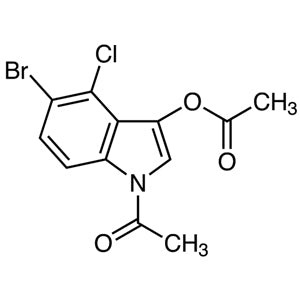
1-Acetyl-5-bromo-4-chloro-3-indolylAcetate TCI A2923
Regular price From Rp 2.466.450,00Regular price -
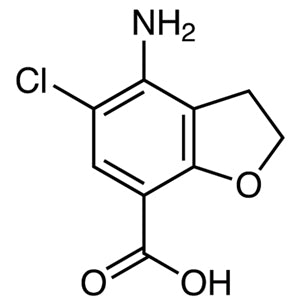
4-Amino-5-chloro-2,3-dihydrobenzofuran-7-carboxylicAcid TCI A2918
Regular price From Rp 1.353.450,00Regular price