6-Bromo-3-formylchromone is a chemical compound widely used in organic chemistry reactions, particularly in the synthesis of heterocyclic compounds. It serves as a key building block in the development of complex molecular structures, offering versatility in chemical reactivity and functional group manipulation. Its unique combination of a chromone core with bromo and formyl functional groups makes it a valuable reagent in synthetic pathways. This compound is essential for researchers aiming to design and create new molecules with specific properties and applications.
The compound's stability under controlled conditions and its ability to participate in various reaction mechanisms, such as nucleophilic, electrophilic, and substitution reactions, make it a preferred choice for synthetic chemists. Its reactivity allows for flexible modifications, enabling the synthesis of a wide range of derivatives. The presence of both bromo and formyl groups enhances its utility in multi-step organic synthesis, where functional group transformations are critical. These properties make it a reliable and efficient reagent in modern laboratory settings.
In Indonesian laboratories, 6-Bromo-3-formylchromone is commonly used in scientific research, compound development, and feasibility testing for industrial applications. Its relevance spans across pharmaceutical, material science, and organic chemistry fields. Researchers in Indonesia rely on this compound for its consistent performance and adaptability in diverse chemical reactions, making it a staple in both academic and industrial research environments.
Related TCI products
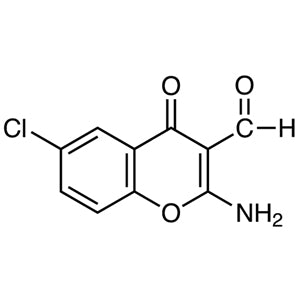
- TCI A2743 68301-77-9 2-Amino-6-chloro-3-formylchromone
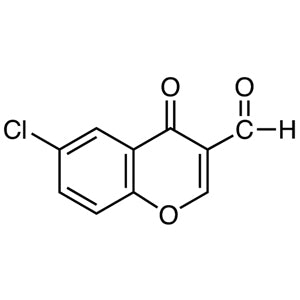
- TCI C2869 42248-31-7 6-Chloro-3-formylchromone
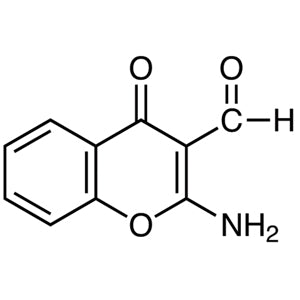
- TCI A2415 61424-76-8 2-Amino-3-formylchromone
- TCI B5482 81971-39-3 5-Bromo-1-methylpyridin-2(1H)-one
- TCI B5475 925899-21-4 2-Bromo-5-(2-ethylhexyl)thiophene
- TCI B5461 339576-55-5 9-Benzyl-3-bromo-9H-carbazole
- Organic synthesis of heterocyclic compounds due to its reactive functional groups and structural versatility.
- Pharmaceutical research for the development of new drugs and bioactive molecules through structural modification.
- Material science applications in the creation of advanced polymers and functional materials with tailored properties.
- Academic research in chemical education and experimental studies for teaching and learning purposes.
- Industrial process development for the synthesis of specialty chemicals and intermediates in manufacturing.
| Brand | TCI |
|---|---|
| CAS number | 52817-12-6 |
| Molecular formula | — |
| Purity | — |
| Category | Chemistry > Building Blocks > Heterocyclic Building Blocks |
| Pack sizes | Available in various quantities as per supplier specifications |
| Physical form | Solid (may vary depending on supplier) |
| Storage | Store in a cool, dry place away from light and moisture |
6-Bromo-3-formylchromone should be stored in a cool, dry environment, away from direct sunlight and moisture. It is recommended to use airtight containers to prevent exposure to air and humidity, which may affect its stability. Proper labeling of storage containers is essential for safety and traceability. Due to its reactivity, it should be handled with appropriate personal protective equipment, including gloves and safety goggles. It is important to ensure that the compound is kept in a well-ventilated area to minimize inhalation risks. Regular monitoring of storage conditions ensures the compound remains in optimal condition for use in laboratory applications.
—
Produk Terkait
-
2-Amino-6-chloro-3-formylchromone TCI A2743
Regular price From Rp 1.378.650,00Regular priceRp 979.650,00Sale price From Rp 1.378.650,00 -
6-Chloro-3-formylchromone TCI C2869
Regular price From Rp 980.700,00Regular priceRp 701.400,00Sale price From Rp 980.700,00 -
2-Amino-3-formylchromone TCI A2415
Regular price Rp 1.458.450,00Regular priceRp 1.035.300,00Sale price Rp 1.458.450,00 -
5-Bromo-1-methylpyridin-2(1H)-one TCI B5482
Regular price Rp 2.384.550,00Regular priceRp 1.683.150,00Sale price Rp 2.384.550,00 -
2-Bromo-5-(2-ethylhexyl)thiophene TCI B5475
Regular price From Rp 3.180.450,00Regular priceRp 2.239.650,00Sale price From Rp 3.180.450,00 -
9-Benzyl-3-bromo-9H-carbazole TCI B5461
Regular price From Rp 1.563.450,00Regular priceRp 1.108.800,00Sale price From Rp 1.563.450,00 -
2-Bromo-5-dodecylthiophene TCI B5407
Regular price From Rp 2.889.600,00Regular priceRp 2.035.950,00Sale price From Rp 2.889.600,00 -
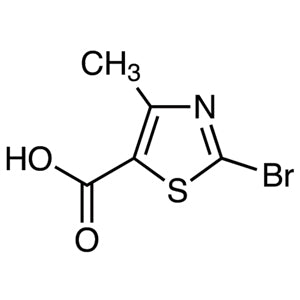
2-Bromo-4-methylthiazole-5-carboxylicAcid TCI B5336
Regular price Rp 1.590.750,00Regular priceRp 1.127.700,00Sale price Rp 1.590.750,00