7-Bromo-5-chloro-8-hydroxyquinoline is a chemical compound that belongs to the heterocyclic class, featuring a quinoline core with bromo, chloro, and hydroxyl substituents. This compound plays a crucial role in laboratory settings, particularly in organic chemistry and pharmacology, where it serves as a building block for the synthesis of complex molecules. Its structural versatility makes it a valuable resource for researchers aiming to develop compounds with specific biological activities. Due to its chemical stability and reactivity, it is widely used in various synthetic pathways to create a range of functional derivatives.
The compound’s key properties include its stability under standard laboratory conditions and its ability to participate in multiple chemical reactions. It exhibits good solubility in organic solvents, which facilitates its use in both solution-based and solid-phase synthesis techniques. These characteristics make it a preferred choice for chemists and pharmacologists who require reliable and efficient reagents for their experiments. Its reactivity and compatibility with a wide range of functional groups further enhance its utility in the development of new pharmaceutical and material-based compounds.
In Indonesian laboratories, 7-Bromo-5-chloro-8-hydroxyquinoline is commonly used by researchers in chemistry, pharmacology, and materials science. It is a key component in the synthesis of bioactive compounds and is integral to studies focused on drug development and molecular design. Its availability and chemical properties make it a fundamental reagent in both academic and industrial research settings.
Related TCI products
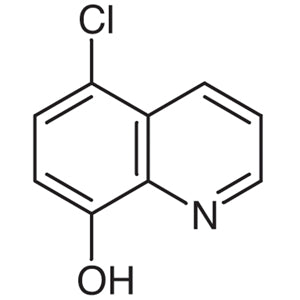
- TCI C0645 130-16-5 5-Chloro-8-hydroxyquinoline
- TCI D0208 521-74-4 5,7-Dibromo-8-hydroxyquinoline
- TCI B4406 63810-78-6 5-Bromo-4-chloro-2-(methylthio)pyrimidine
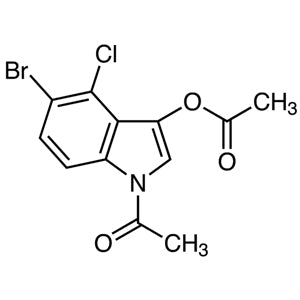
- TCI A2923 3030-06-6 1-Acetyl-5-bromo-4-chloro-3-indolyl Acetate
- TCI B3324 1198-14-7 5-Bromo-8-hydroxyquinoline
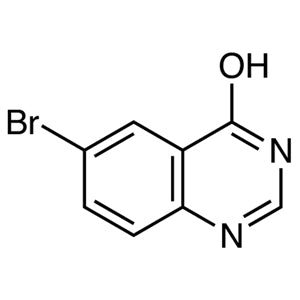
- TCI B4328 32084-59-6 6-Bromo-4-hydroxyquinazoline
- Organic synthesis applications benefit from this compound's reactivity and structural versatility, enabling the creation of complex molecules with tailored properties.
- Pharmacological research utilizes it as a building block for developing new drugs with specific biological activities and therapeutic potential.
- Material science studies leverage its chemical stability and functional group compatibility to create advanced materials with unique properties.
- Analytical chemistry uses it as a reference standard for identifying and quantifying similar heterocyclic compounds in various samples.
- Environmental studies incorporate it in the synthesis of compounds used to monitor and analyze pollutants in natural and industrial settings.
| Brand | TCI |
|---|---|
| CAS number | 7640-33-7 |
| Molecular formula | — |
| Purity | — |
| Category | Chemistry > Building Blocks > Heterocyclic Building Blocks |
| Pack sizes | Available in standard laboratory quantities |
| Physical form | Solid |
| Storage | Store in a cool, dry place away from light and moisture |
This compound should be stored in a cool, dry place, away from direct light and moisture to maintain its chemical integrity. It is recommended to use airtight containers made of glass or high-density polyethylene to prevent contamination and degradation. Due to its reactivity, it should be handled with appropriate personal protective equipment, such as gloves and safety goggles, to ensure laboratory safety. While it is generally stable under normal storage conditions, it should be kept in a well-ventilated area to minimize exposure to airborne particles. Proper labeling and storage practices are essential to prevent mix-ups and ensure safe handling in laboratory environments.
—
Produk Terkait
-
5-Chloro-8-hydroxyquinoline TCI C0645
Regular price From Rp 530.250,00Regular priceRp 386.400,00Sale price From Rp 530.250,00 -
5,7-Dibromo-8-hydroxyquinoline TCI D0208
Regular price Rp 3.524.850,00Regular priceRp 2.480.100,00Sale price Rp 3.524.850,00 -
5-Bromo-4-chloro-2-(methylthio)pyrimidine TCI B4406
Regular price From Rp 1.008.000,00Regular priceRp 720.300,00Sale price From Rp 1.008.000,00 -
1-Acetyl-5-bromo-4-chloro-3-indolylAcetate TCI A2923
Regular price From Rp 2.518.950,00Regular priceRp 1.776.600,00Sale price From Rp 2.518.950,00 -
5-Bromo-8-hydroxyquinoline TCI B3324
Regular price Rp 3.922.800,00Regular priceRp 2.758.350,00Sale price Rp 3.922.800,00 -
6-Bromo-4-hydroxyquinazoline TCI B4328
Regular price From Rp 1.458.450,00Regular priceRp 1.035.300,00Sale price From Rp 1.458.450,00 -
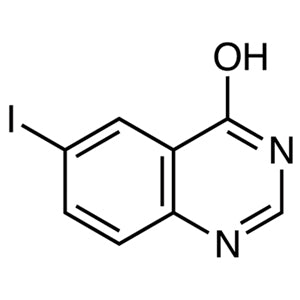
6-Iodo-4-hydroxyquinazoline TCI I0832
Regular price Rp 2.041.200,00Regular priceRp 1.442.700,00Sale price Rp 2.041.200,00 -
7-Chloro-6-nitro-4-hydroxyquinazoline TCI C2332
Regular price From Rp 822.150,00Regular priceRp 590.100,00Sale price From Rp 822.150,00