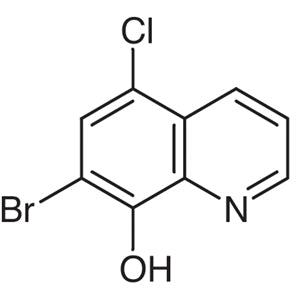
6-Bromo-4-hydroxyquinazoline is a chemical compound classified under the heterocyclic category. It serves as a fundamental building block in the synthesis of complex molecules, particularly in organic chemistry and pharmacology. In the laboratory, it plays a crucial role in the development of compounds with specific biological activities. Its unique molecular structure, featuring a bromo and hydroxyl group, allows for versatile chemical reactions, making it an essential component in synthetic pathways.
This compound is preferred due to its stable chemical properties and controlled reactivity. The presence of the bromo group enhances its suitability for substitution and nucleophilic reactions, which are vital in organic synthesis. Its predictable behavior under various reaction conditions makes it a reliable choice for researchers aiming to create bioactive compounds. Additionally, its chemical stability ensures that it maintains its integrity during storage and use, contributing to its popularity in research settings.
In Indonesian laboratories, 6-Bromo-4-hydroxyquinazoline is widely used in scientific research, particularly in chemistry, pharmacy, and biochemistry. Many research institutions and universities in Indonesia rely on this compound for the development of new substances with potential therapeutic applications. Its availability and chemical properties make it a key reagent in both academic and industrial research environments.
Related TCI products
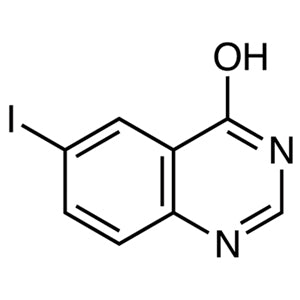
- TCI I0832 16064-08-7 6-Iodo-4-hydroxyquinazoline
- TCI C2332 53449-14-2 7-Chloro-6-nitro-4-hydroxyquinazoline
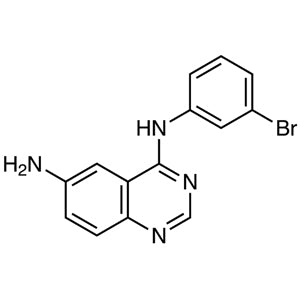
- TCI B5416 169205-78-1 N4-(3-Bromophenyl)quinazoline-4,6-diamine
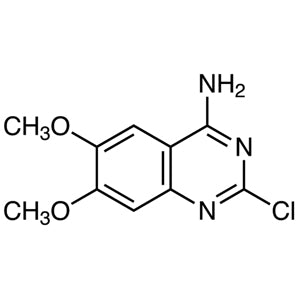
- TCI A2151 23680-84-4 4-Amino-2-chloro-6,7-dimethoxyquinazoline
- TCI D3746 27631-29-4 2,4-Dichloro-6,7-dimethoxyquinazoline
- TCI C2574 13790-39-1 4-Chloro-6,7-dimethoxyquinazoline
- Organic synthesis: This compound is ideal for creating complex molecules due to its reactive bromo and hydroxyl groups, enabling diverse chemical transformations.
- Pharmaceutical research: It is used in the development of bioactive compounds, supporting the design of new drugs with targeted biological activities.
- Heterocyclic compound studies: Its unique structure makes it a valuable tool for investigating the properties and reactivity of heterocyclic systems.
- Biochemistry experiments: It contributes to the synthesis of compounds that may have applications in biological systems and molecular interactions.
- Academic research: Widely utilized in Indonesian universities and research centers for teaching and experimental purposes in chemical sciences.
| Brand | TCI |
|---|---|
| CAS number | 32084-59-6 |
| Molecular formula | — |
| Purity | — |
| Category | Chemistry > Building Blocks > Heterocyclic Building Blocks |
| Pack sizes | Available in various quantities as per standard chemical supply practices |
| Physical form | Solid, typically in crystalline or powder form |
| Storage | Store in a cool, dry place away from light and moisture |
This compound should be stored in a cool, dry environment, away from direct light and moisture. It is recommended to use airtight containers to prevent exposure to air and humidity, which could affect its stability. Due to its chemical nature, it should be handled in a well-ventilated area, with appropriate personal protective equipment such as gloves and safety goggles. Avoid contact with incompatible materials, and ensure that storage conditions are consistent with standard laboratory safety protocols. Proper labeling and secure storage are essential to prevent accidental exposure and ensure safe handling in laboratory settings.
—
Produk Terkait
-
6-Iodo-4-hydroxyquinazoline TCI I0832
Regular price Rp 2.041.200,00Regular priceRp 1.442.700,00Sale price Rp 2.041.200,00 -
7-Chloro-6-nitro-4-hydroxyquinazoline TCI C2332
Regular price From Rp 822.150,00Regular priceRp 590.100,00Sale price From Rp 822.150,00 -
N4-(3-Bromophenyl)quinazoline-4,6-diamine TCI B5416
Regular price From Rp 875.700,00Regular priceRp 627.900,00Sale price From Rp 875.700,00 -
4-Amino-2-chloro-6,7-dimethoxyquinazoline TCI A2151
Regular price From Rp 717.150,00Regular priceRp 516.600,00Sale price From Rp 717.150,00 -
2,4-Dichloro-6,7-dimethoxyquinazoline TCI D3746
Regular price Rp 3.790.500,00Regular priceRp 2.665.950,00Sale price Rp 3.790.500,00 -
4-Chloro-6,7-dimethoxyquinazoline TCI C2574
Regular price From Rp 1.618.050,00Regular priceRp 1.146.600,00Sale price From Rp 1.618.050,00 -
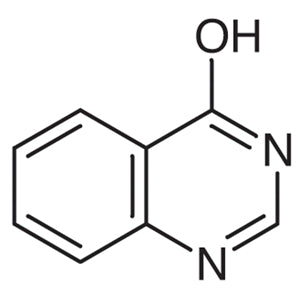
4-Hydroxyquinazoline TCI H0803
Regular price From Rp 822.150,00Regular priceRp 590.100,00Sale price From Rp 822.150,00 -
7-Bromo-5-chloro-8-hydroxyquinoline TCI B1190
Regular price From Rp 1.405.950,00Regular priceRp 998.550,00Sale price From Rp 1.405.950,00