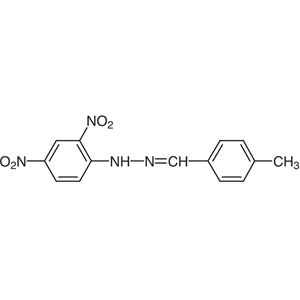
Acetophenone p-Toluenesulfonylhydrazone is a chemical compound widely used in organic reactions, particularly in the synthesis of heterocyclic compounds and complex structures. As a building block in chemical synthesis, it plays a crucial role in the development of new compounds, especially in pharmaceutical and organic chemistry research. This compound is valued for its versatility and reactivity, making it a key component in various synthetic pathways. Its ability to participate in substitution reactions and other chemical transformations makes it indispensable in modern laboratory settings.
The compound is known for its high reactivity and stable molecular structure, which allows it to be used under a variety of reaction conditions. Its predictable chemical behavior and availability in solid form make it a preferred choice for researchers and students. The compound’s chemical properties are well-documented, ensuring consistency and reliability in synthetic processes. This stability and reactivity contribute to its widespread use in both academic and industrial research environments.
In Indonesian laboratories, Acetophenone p-Toluenesulfonylhydrazone is commonly utilized by researchers and students engaged in organic chemistry studies. It is particularly relevant for educational and research purposes, especially in laboratories focused on synthetic chemistry. Its role in producing intermediates with specific structures makes it an essential tool for those working on complex molecular syntheses. The compound’s accessibility and reliability further support its use in both teaching and research activities within the Indonesian scientific community.
Related TCI products
- TCI B3325 1666-17-7 Benzaldehyde p-Toluenesulfonylhydrazone
- TCI D2093 19816-88-7 1,3-Diphenylacetone p-Toluenesulfonylhydrazone
- TCI A0807 613-91-2 Acetophenone Oxime
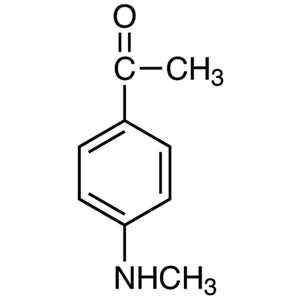
- TCI M2958 17687-47-7 4'-(Methylamino)acetophenone
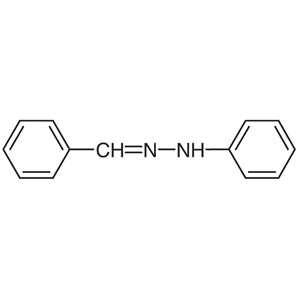
- TCI B0014 588-64-7 Benzaldehyde Phenylhydrazone
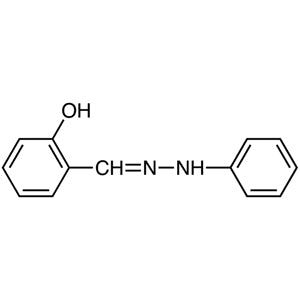
- TCI H1478 614-65-3 2-Hydroxybenzaldehyde Phenylhydrazone
- Organic synthesis: This compound is ideal for creating complex molecular structures due to its reactivity and stability.
- Heterocyclic compound development: It is frequently used in the synthesis of heterocyclic rings, which are essential in pharmaceutical research.
- Intermediate production: Its role in generating specific intermediates makes it valuable in synthetic pathways.
- Educational research: It is commonly used in academic settings to teach and demonstrate synthetic chemistry techniques.
- Industrial chemical processes: Its predictable behavior and availability make it suitable for various industrial applications.
| Brand | TCI |
|---|---|
| CAS number | 4545-21-5 |
| Molecular formula | — |
| Purity | — |
| Category | Chemistry > Building Blocks > Non-Heterocyclic Building Blocks |
| Pack sizes | — |
| Physical form | Solid |
| Storage | Store in a cool, dry place away from light and moisture. |
Acetophenone p-Toluenesulfonylhydrazone should be stored in a cool, dry environment, away from direct light and moisture. It is recommended to use airtight containers to prevent exposure to air and humidity. Due to its chemical reactivity, it should be handled with care, using appropriate personal protective equipment such as gloves and safety goggles. It is important to ensure proper ventilation in the laboratory when working with this compound. Avoid contact with incompatible substances to maintain its stability and effectiveness. Proper storage and handling practices help preserve the compound’s integrity and ensure safe laboratory operations.
—
Produk Terkait
-
Benzaldehydep-Toluenesulfonylhydrazone TCI B3325
Regular price From Rp 1.618.050,00Regular priceRp 1.146.600,00Sale price From Rp 1.618.050,00 -
1,3-Diphenylacetonep-Toluenesulfonylhydrazone TCI D2093
Regular price From Rp 1.988.700,00Regular priceRp 1.405.950,00Sale price From Rp 1.988.700,00 -
AcetophenoneOxime TCI A0807
Regular price Rp 2.650.200,00Regular priceRp 1.869.000,00Sale price Rp 2.650.200,00 -
4'-(Methylamino)acetophenone TCI M2958
Regular price Rp 2.147.250,00Regular priceRp 1.517.250,00Sale price Rp 2.147.250,00 -
BenzaldehydePhenylhydrazone TCI B0014
Regular price Rp 3.603.600,00Regular priceRp 2.535.750,00Sale price Rp 3.603.600,00 -
2-HydroxybenzaldehydePhenylhydrazone TCI H1478
Regular price From Rp 1.988.700,00Regular priceRp 1.405.950,00Sale price From Rp 1.988.700,00 -
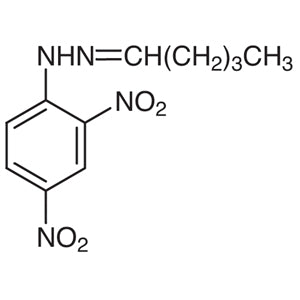
Valeraldehyde2,4-Dinitrophenylhydrazone TCI V0066
Regular price From Rp 530.250,00Regular priceRp 386.400,00Sale price From Rp 530.250,00 -
p-Tolualdehyde2,4-Dinitrophenylhydrazone TCI T1449
Regular price From Rp 1.087.800,00Regular priceRp 775.950,00Sale price From Rp 1.087.800,00