Benzaldehyde p-Toluenesulfonylhydrazone is a chemical compound widely used in organic chemistry laboratories. It serves as a key building block in the synthesis of heterocyclic compounds and complex molecules. This compound is commonly employed in substitution and hydration reactions, making it an essential reagent for chemists working on molecular structure development. Its versatility allows it to be integrated into various synthetic pathways, supporting the creation of new chemical entities. Due to its functional group, it plays a significant role in catalytic processes and intermediate formation.
The compound exhibits stable chemical properties under controlled conditions, yet it remains highly reactive in the presence of organic solvents and elevated temperatures. This reactivity makes it ideal for applications requiring high chemical activity. Its molecular structure is well-defined, enabling easy identification and monitoring during experimental procedures. The clarity of its structure also aids in analytical techniques such as spectroscopy and chromatography. These characteristics contribute to its popularity among researchers.
In Indonesian laboratories, Benzaldehyde p-Toluenesulfonylhydrazone is extensively used in organic chemistry research, particularly in academic and research institutions. It is frequently found in experiments involving the synthesis of new compounds and drug development. Its reliability in various chemical reactions ensures its continued use in both educational and industrial research settings. The compound's role in advancing chemical synthesis makes it a valuable resource for scientists in Indonesia.
Related TCI products
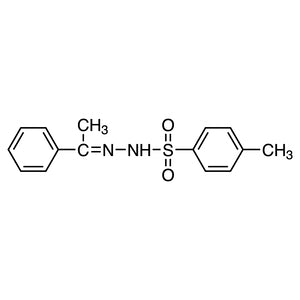
- TCI A2174 4545-21-5 Acetophenone p-Toluenesulfonylhydrazone
- TCI D2093 19816-88-7 1,3-Diphenylacetone p-Toluenesulfonylhydrazone
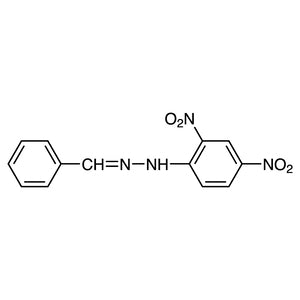
- TCI B1593 1157-84-2 Benzaldehyde 2,4-Dinitrophenylhydrazone
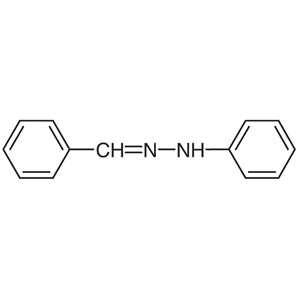
- TCI B0014 588-64-7 Benzaldehyde Phenylhydrazone
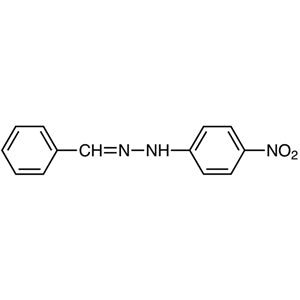
- TCI B0009 3078-09-9 Benzaldehyde 4-Nitrophenylhydrazone
- TCI C2606 1424-66-4 2-Chloro-4-(dimethylamino)benzaldehyde
- Organic synthesis of heterocyclic compounds due to its reactive functional group and structural versatility.
- Catalytic reactions requiring high reactivity and stability under controlled conditions.
- Development of new chemical entities and pharmaceutical compounds in research laboratories.
- Intermediate formation in complex molecular structures for advanced chemical studies.
- Analysis and monitoring of chemical reactions through its well-defined molecular structure.
| Brand | TCI |
|---|---|
| CAS number | 1666-17-7 |
| Molecular formula | — |
| Purity | — |
| Category | Chemistry > Building Blocks > Non-Heterocyclic Building Blocks |
| Pack sizes | Available in standard laboratory quantities |
| Physical form | Solid or liquid, depending on supplier packaging |
| Storage | Store in a cool, dry place away from direct sunlight |
This compound should be stored in a cool, dry environment to maintain its chemical stability. It is recommended to use airtight containers to prevent exposure to moisture and air, which may affect its reactivity. Due to its potential reactivity with organic solvents and high temperatures, it should be kept away from heat sources and incompatible materials. Laboratory personnel should handle it with care, using appropriate personal protective equipment. Regular monitoring of storage conditions ensures the compound remains effective for its intended applications. Proper labeling and storage practices are essential to maintain safety and efficiency in the laboratory.
—
Produk Terkait
-
Acetophenonep-Toluenesulfonylhydrazone TCI A2174
Regular price Rp 1.431.150,00Regular priceRp 1.016.400,00Sale price Rp 1.431.150,00 -
1,3-Diphenylacetonep-Toluenesulfonylhydrazone TCI D2093
Regular price From Rp 1.988.700,00Regular priceRp 1.405.950,00Sale price From Rp 1.988.700,00 -
Benzaldehyde2,4-Dinitrophenylhydrazone TCI B1593
Regular price From Rp 1.140.300,00Regular priceRp 812.700,00Sale price From Rp 1.140.300,00 -
BenzaldehydePhenylhydrazone TCI B0014
Regular price Rp 3.603.600,00Regular priceRp 2.535.750,00Sale price Rp 3.603.600,00 -
Benzaldehyde4-Nitrophenylhydrazone TCI B0009
Regular price Rp 5.062.050,00Regular priceRp 3.555.300,00Sale price Rp 5.062.050,00 -
2-Chloro-4-(dimethylamino)benzaldehyde TCI C2606
Regular price From Rp 1.749.300,00Regular priceRp 1.239.000,00Sale price From Rp 1.749.300,00 -
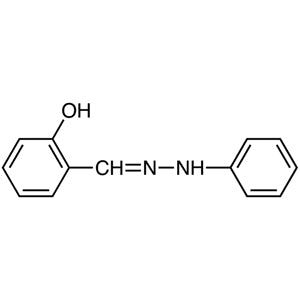
2-HydroxybenzaldehydePhenylhydrazone TCI H1478
Regular price From Rp 1.988.700,00Regular priceRp 1.405.950,00Sale price From Rp 1.988.700,00 -
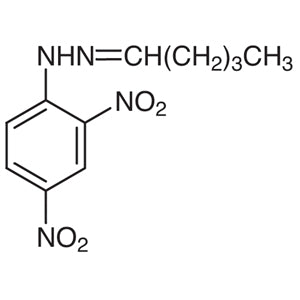
Valeraldehyde2,4-Dinitrophenylhydrazone TCI V0066
Regular price From Rp 530.250,00Regular priceRp 386.400,00Sale price From Rp 530.250,00