


2-Chloro-4-(dimethylamino)benzaldehyde is a chemical compound widely used in organic synthesis reactions. It serves as a key building block in the development of complex molecular structures and heterocyclic compounds. Its reactivity and versatility make it an essential component in various chemical processes, supporting the creation of new compounds with specific functional groups. This compound is commonly found in research settings where the synthesis of pharmaceuticals, industrial chemicals, and specialized reagents is required.
The unique molecular structure of 2-Chloro-4-(dimethylamino)benzaldehyde, featuring both an aldehyde group and a dimethylamino group, contributes to its high reactivity. The presence of a chlorine atom further enhances its utility in substitution and condensation reactions. Its ability to function in both polar and non-polar solvents makes it adaptable to a wide range of experimental conditions. These properties make it a preferred choice for chemists looking to design and synthesize complex molecules with controlled reactivity.
In Indonesian laboratories, 2-Chloro-4-(dimethylamino)benzaldehyde is frequently used in organic chemistry research. It is particularly popular in academic and research institutions where students and scientists are engaged in drug development, material synthesis, and chemical innovation. Its broad applications and reliability in synthetic processes ensure its continued demand among researchers working on advanced chemical projects.
- Organic synthesis applications benefit from this compound's reactivity and versatility in forming complex molecular structures.
- Pharmaceutical research utilizes it as a building block for developing new drugs and therapeutic agents.
- Industrial chemical production relies on its stability and functional group reactivity for creating specialized compounds.
- Academic research in chemistry uses it for teaching and experimental purposes in synthetic chemistry courses.
- Material science applications leverage its unique molecular structure for creating advanced chemical materials.
| Brand | TCI |
|---|---|
| CAS number | 1424-66-4 |
| Molecular formula | — |
| Purity | — |
| Category | Chemistry > Building Blocks > Non-Heterocyclic Building Blocks |
| Pack sizes | Available in standard laboratory quantities |
| Physical form | Solid or crystalline, depending on packaging |
| Storage | Store in a cool, dry place away from light and moisture |
This compound should be stored in a cool, dry environment, away from direct light and moisture. It is recommended to use airtight containers to prevent exposure to air and humidity, which can affect its stability. Proper labeling and storage in a designated chemical storage area are essential for safety. Laboratory personnel should handle it with care, using appropriate personal protective equipment when necessary. Due to its reactivity, it should be kept separate from incompatible substances to avoid unwanted chemical interactions. Regular inspection of storage conditions ensures the compound remains in optimal condition for use in research applications.
—
Produk Terkait
-
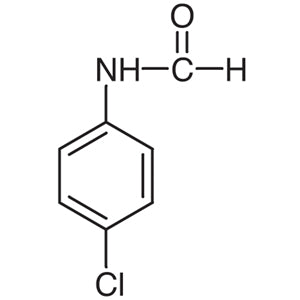
N-(4-Chlorophenyl)formamide TCI C1945
Regular price Rp 2.942.100,00Regular price -
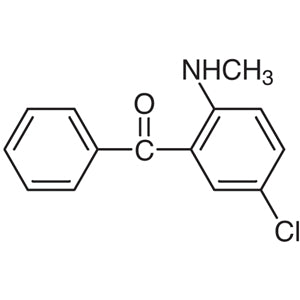
5-Chloro-2-(methylamino)benzophenone TCI C2281
Regular price Rp 1.115.100,00Regular price -
1,4-Diaminoanthraquinone TCI D0075
Regular price From Rp 928.200,00Regular price -
1,1'-Iminodianthraquinone[forDeterminationofBoron] TCI D0133
Regular price Rp 8.983.800,00Regular price -
4-Diethylaminobenzaldehyde TCI D0463
Regular price From Rp 689.850,00Regular price -
3'-Dimethylaminoacetophenone TCI D1446
Regular price Rp 3.048.150,00Regular price -
4-Dimethylaminobenzaldehyde TCI D1495
Regular price From Rp 610.050,00Regular price -
4,4'-Diaminobenzophenone TCI D1561
Regular price From Rp 1.696.800,00Regular price

![1,1'-Iminodianthraquinone [for Determination of Boron] (CAS 82-22-4) - TCI D0133 - AMI Scientific](http://amiscientific.com/cdn/shop/files/TCI2510D0133.jpg?v=1767100907&width=533)


