4,4'-Bis(dimethylamino)benzil is a chemical compound widely used in organic synthesis reactions within laboratory settings. As a fundamental building block, it serves as a versatile intermediate in the creation of more complex chemical structures. This compound is commonly found in chemical laboratories as a raw material for synthesizing various compounds. Its role is crucial in the development of new substances with specific properties, such as biological activity or optical characteristics. Due to its reactivity and structural simplicity, it is a valuable tool for chemists aiming to explore new chemical pathways.
The compound’s key properties include solubility in organic solvents and its ability to participate in substitution and condensation reactions. These characteristics make it a preferred choice for synthetic chemists. The presence of dimethylamino groups on both ends of the molecule allows for multiple reaction sites, enhancing its utility in diverse chemical applications. Its stable structure ensures that it remains chemically inert under normal laboratory conditions, facilitating long-term storage and consistent performance in experiments.
In Indonesian laboratories, 4,4'-Bis(dimethylamino)benzil is extensively used in organic chemistry research, particularly in the field of pharmaceutical development. It is often employed in the synthesis of bioactive compounds and materials with specific optical properties. Its reliability and reactivity make it a standard component in both academic and industrial research settings, supporting the advancement of chemical science in the region.
Related TCI products
- TCI E1179 51145-57-4 Ethyl 2-Acetyl-3-(dimethylamino)acrylate
- TCI D6362 41602-56-6 4-(Dimethylamino)-2-hydroxybenzaldehyde
- TCI D5384 1201-93-0 3-(Dimethylamino)-1-phenyl-2-propen-1-one
- TCI D5312 22965-98-6 (E)-4-(Dimethylamino)chalcone
- TCI D2836 924-99-2 Ethyl 3-(Dimethylamino)acrylate
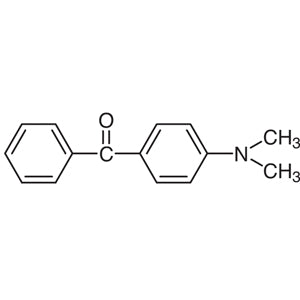
- TCI D2561 530-44-9 4-(Dimethylamino)benzophenone
- Organic synthesis is a primary application where this compound serves as a versatile building block for creating complex molecules.
- Pharmaceutical research benefits from its use in the development of bioactive compounds with specific therapeutic properties.
- Material science applications rely on its ability to participate in condensation reactions, leading to the formation of functional materials.
- Analytical chemistry utilizes its reactivity for the preparation of standard compounds used in qualitative and quantitative analysis.
- Industrial chemical processes incorporate it as a precursor in the production of specialty chemicals and intermediates.
| Brand | TCI |
|---|---|
| CAS number | 17078-27-2 |
| Molecular formula | — |
| Purity | — |
| Category | Chemistry > Building Blocks > Non-Heterocyclic Building Blocks |
| Pack sizes | Available in various quantities as per standard laboratory supply |
| Physical form | Solid |
| Storage | Store in a cool, dry place away from light and moisture |
This compound should be stored in a cool, dry environment, away from direct light and moisture to maintain its stability and reactivity. It is recommended to use airtight containers to prevent exposure to air and moisture, which could affect its chemical integrity. General laboratory precautions include handling with care to avoid skin contact and inhalation, ensuring proper ventilation in the workspace. Due to its chemical nature, it should be stored separately from strong oxidizing agents or incompatible substances. Proper labeling and storage conditions are essential to ensure safe handling and long-term usability in laboratory settings.
—
Produk Terkait
-
Ethyl2-Acetyl-3-(dimethylamino)acrylate TCI E1179
Regular price From Rp 1.008.000,00Regular priceRp 720.300,00Sale price From Rp 1.008.000,00 -
4-(Dimethylamino)-2-hydroxybenzaldehyde TCI D6362
Regular price From Rp 2.597.700,00Regular priceRp 1.832.250,00Sale price From Rp 2.597.700,00 -
3-(Dimethylamino)-1-phenyl-2-propen-1-one TCI D5384
Regular price From Rp 1.776.600,00Regular priceRp 1.257.900,00Sale price From Rp 1.776.600,00 -
(E)-4-(Dimethylamino)chalcone TCI D5312
Regular price From Rp 2.384.550,00Regular priceRp 1.683.150,00Sale price From Rp 2.384.550,00 -
Ethyl3-(Dimethylamino)acrylate TCI D2836
Regular price From Rp 955.500,00Regular priceRp 683.550,00Sale price From Rp 955.500,00 -
4-(Dimethylamino)benzophenone TCI D2561
Regular price From Rp 1.033.200,00Regular priceRp 738.150,00Sale price From Rp 1.033.200,00 -
2-Chloro-4-(dimethylamino)benzaldehyde TCI C2606
Regular price From Rp 1.749.300,00Regular priceRp 1.239.000,00Sale price From Rp 1.749.300,00 -
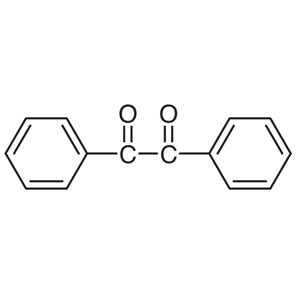
Benzil TCI B0050
Regular price From Rp 610.050,00Regular priceRp 426.300,00Sale price From Rp 610.050,00