3-(Dimethylamino)-1-phenyl-2-propen-1-one is a versatile organic compound widely used in laboratory settings for the synthesis of complex molecules. This chemical serves as a key building block in various organic reactions, enabling the creation of aromatic and heterocyclic compounds. Its unique molecular structure, combining an aromatic ring with a dimethylamino group, allows it to participate in multiple reaction types, including condensation, substitution, and the formation of double bonds. This reactivity makes it an essential component in synthetic chemistry workflows.
The compound's stability and reactivity make it a preferred choice for researchers seeking reliable and efficient chemical intermediates. Its ability to form stable intermediates and react with a wide range of reagents enhances its utility in both academic and industrial research. The presence of both aromatic and nitrogen-containing functional groups contributes to its versatility, allowing it to be adapted to various synthetic strategies. These properties ensure its consistent performance in diverse chemical environments.
In Indonesian laboratories, this compound is commonly used in organic chemistry research, particularly in pharmaceutical and materials science applications. It is a staple in research institutions and universities, where it supports the development of new compounds and materials. Its availability in the local market ensures that researchers can access it easily for their experiments, facilitating efficient and effective scientific inquiry.
Related TCI products
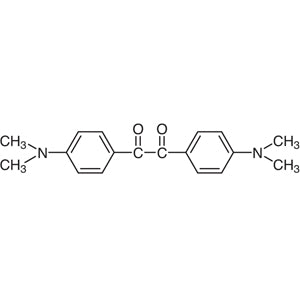
- TCI B1212 17078-27-2 4,4'-Bis(dimethylamino)benzil
- TCI E1179 51145-57-4 Ethyl 2-Acetyl-3-(dimethylamino)acrylate
- TCI D6362 41602-56-6 4-(Dimethylamino)-2-hydroxybenzaldehyde
- TCI D5312 22965-98-6 (E)-4-(Dimethylamino)chalcone
- TCI D2836 924-99-2 Ethyl 3-(Dimethylamino)acrylate
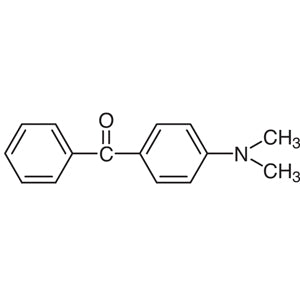
- TCI D2561 530-44-9 4-(Dimethylamino)benzophenone
- Organic synthesis applications benefit from this compound’s reactivity and structural versatility, allowing it to participate in multiple reaction pathways.
- Pharmaceutical research utilizes it as a building block for the development of new drug molecules due to its ability to form complex structures.
- Material science experiments leverage its aromatic and nitrogen-containing groups to create novel chemical materials with specific properties.
- Analytical chemistry laboratories use it as a standard reference compound for testing reaction mechanisms and synthetic pathways.
- Environmental studies incorporate it in the analysis of organic pollutants and the development of degradation processes for complex compounds.
| Brand | TCI |
|---|---|
| CAS number | 1201-93-0 |
| Molecular formula | — |
| Purity | — |
| Category | Chemistry > Building Blocks > Non-Heterocyclic Building Blocks |
| Pack sizes | Available in various quantities as per supplier specifications |
| Physical form | Liquid |
| Storage | Store in a cool, dry place away from light and incompatible materials |
This compound should be stored in a cool, dry environment, away from direct sunlight and sources of heat. It is recommended to use airtight, sealed containers to prevent exposure to moisture and air, which may affect its stability. Due to its reactive nature, it should be kept separate from strong oxidizing agents and incompatible chemicals. Proper labeling of storage containers is essential for safety and identification. In laboratory settings, personal protective equipment such as gloves and safety goggles should be worn when handling this compound to minimize exposure risks. Regular monitoring of storage conditions ensures the compound remains in optimal condition for use in experiments.
—
Produk Terkait
-
4,4'-Bis(dimethylamino)benzil TCI B1212
Regular price From Rp 3.683.400,00Regular price -
Ethyl2-Acetyl-3-(dimethylamino)acrylate TCI E1179
Regular price From Rp 955.500,00Regular price -
4-(Dimethylamino)-2-hydroxybenzaldehyde TCI D6362
Regular price From Rp 2.545.200,00Regular price -
(E)-4-(Dimethylamino)chalcone TCI D5312
Regular price From Rp 2.332.050,00Regular price -
Ethyl3-(Dimethylamino)acrylate TCI D2836
Regular price From Rp 903.000,00Regular price -
4-(Dimethylamino)benzophenone TCI D2561
Regular price From Rp 980.700,00Regular price -
2-Chloro-4-(dimethylamino)benzaldehyde TCI C2606
Regular price From Rp 1.696.800,00Regular price -
4-Amino-4'-(N,N-dimethylamino)stilbene TCI A0291
Regular price From Rp 1.936.200,00Regular price