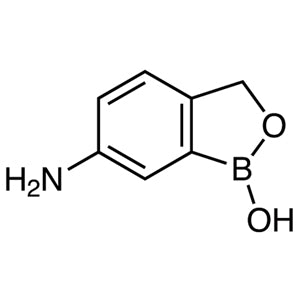
5-Amino-2-(hydroxymethyl)phenylboronic Acid Cyclic Monoester is a specialized chemical compound used in various laboratory applications, particularly in the synthesis of complex molecules. This compound plays a crucial role in organic chemistry by serving as a building block for the development of compounds with unique structural and functional properties. Its cyclic monoester structure provides a versatile platform for chemical modifications, making it a valuable tool for researchers aiming to create advanced chemical compounds.
The compound is known for its reactivity and stability under controlled conditions, which are essential for precise chemical reactions. Its ability to participate in boronation and substitution reactions makes it a preferred choice for synthetic chemists. The molecule’s reactivity is influenced by environmental factors such as temperature and humidity, requiring careful handling to maintain its effectiveness. These properties make it ideal for applications that demand high specificity and accuracy in chemical synthesis.
In Indonesian laboratories, this compound is widely used by researchers and scientists working in organic chemistry and related fields. Its unique molecular structure and reactivity make it a key component in the development of new chemical compounds. It is particularly favored in laboratories that focus on creating complex molecules with high reactivity and specific functional groups. Its use is common in both academic and industrial research settings, supporting advancements in chemical synthesis and innovation.
Advantages (TCI brochure)
- Benzoxaborole with amino substituent, part of the lineup for functional group conversion reactions
TCI brochures (PDF)
- Benzoxaboroles ― Boron-Containing Building Blocks for Drug Discovery 2025-04-01 · p. 1
- Boron Compounds 2025-10-07 · p. 20
Related TCI products
- TCI H1280 5735-41-1 2-(Hydroxymethyl)phenylboronic Acid Cyclic Monoester
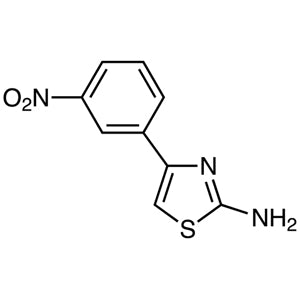
- TCI A3086 57493-24-0 2-Amino-4-(3-nitrophenyl)thiazole
- TCI A3039 103646-82-8 5-Amino-1-(p-tolyl)pyrazole-4-carbonitrile
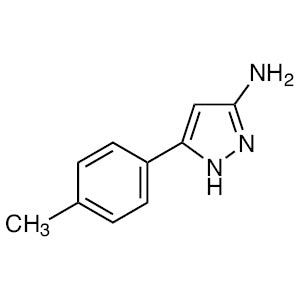
- TCI A2954 78597-54-3 5-Amino-3-(4-methylphenyl)pyrazole
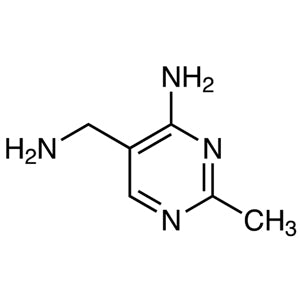
- TCI A2633 95-02-3 4-Amino-5-aminomethyl-2-methylpyrimidine
- TCI E1247 15400-53-0 Ethyl 2-Amino-4-hydroxypyrimidine-5-carboxylate
- Organic synthesis of complex molecules due to its reactivity and structural versatility
- Boronation reactions where the cyclic monoester structure enhances reaction efficiency
- Development of heterocyclic compounds through controlled chemical modifications
- Research in pharmaceutical chemistry for the creation of bioactive molecules
- Advanced chemical reactions requiring high specificity and controlled reaction conditions
From the TCI brochure
- Building block for drug discovery
| Brand | TCI |
|---|---|
| CAS number | 117098-94-9 |
| Molecular formula | — |
| Purity | — |
| Category | Chemistry > Building Blocks > Non-Heterocyclic Building Blocks |
| Pack sizes | Available in standard laboratory quantities |
| Physical form | Solid powder |
| Storage | Store in a cool, dry place away from moisture and direct sunlight |
Data from the TCI brochure
| Ukuran kemasan | 1g |
|---|
Source: TCI brochure RR200 (2025-04-01)
This compound should be stored in a cool, dry environment to maintain its chemical stability. It is recommended to keep it in a tightly sealed container to prevent exposure to moisture and air. Due to its reactivity, it should be handled with care, using appropriate personal protective equipment such as gloves and safety goggles. Storage should be in a well-ventilated area to minimize any potential risks. Avoid contact with incompatible substances to ensure safe handling. Proper storage conditions are essential to preserve its effectiveness and ensure safe use in laboratory settings.
References cited in the TCI brochure
- Dazhong Ding. Design, Synthesis, and Structure−Activity Relationship of Trypanosoma brucei Leucyl-tRNA Synthetase Inhibitors as Antitrypanosomal Agents Journal of Medicinal Chemistry, 2011. doi:10.1021/jm101225g
- Dazhong Ding. Discovery of Novel Benzoxaborole-Based Potent Antitrypanosomal Agents ACS Medicinal Chemistry Letters, 2010. doi:10.1021/ml100013s
Produk Terkait
-
2-(Hydroxymethyl)phenylboronicAcidCyclicMonoester TCI H1280
Regular price From Rp 980.700,00Regular price -
2-Amino-4-(3-nitrophenyl)thiazole TCI A3086
Regular price From Rp 664.650,00Regular price -
5-Amino-1-(p-tolyl)pyrazole-4-carbonitrile TCI A3039
Regular price Rp 3.312.750,00Regular price -
5-Amino-3-(4-methylphenyl)pyrazole TCI A2954
Regular price From Rp 2.625.000,00Regular price -
4-Amino-5-aminomethyl-2-methylpyrimidine TCI A2633
Regular price Rp 4.743.900,00Regular price -
Ethyl2-Amino-4-hydroxypyrimidine-5-carboxylate TCI E1247
Regular price From Rp 1.035.300,00Regular price -
Tetraethylenepentamine(mixtureofbranchedchainisomersandcycliccompounds) TCI T0098
Regular price From Rp 505.050,00Regular price -
3-(9H-Carbazol-9-yl)phenylboronicAcid(containsvaryingamountsofAnhydride) TCI C2967
Regular price From Rp 1.246.350,00Regular price