3-Acetyl-2-(aminosulfonyl)-5-chlorothiophene is a chemical compound widely used as a building block in the synthesis of complex heterocyclic compounds. Its unique molecular structure, containing a thiophene ring and an amino sulfonate group, makes it a versatile reagent in organic chemistry. This compound plays a crucial role in laboratories where researchers aim to develop new pharmaceuticals or functional organic materials. Its chemical properties enable it to participate in a variety of reactions, making it an essential component in synthetic pathways.
The compound is valued for its chemical stability under controlled conditions, although it is sensitive to moisture and light exposure. Its ability to undergo diverse chemical transformations allows it to be a preferred choice in the synthesis of bioactive molecules. The presence of both acetyl and sulfonamide functionalities enhances its reactivity, making it suitable for a wide range of synthetic applications. Its solid form also facilitates handling and storage, contributing to its popularity in laboratory settings.
In Indonesian laboratories, 3-Acetyl-2-(aminosulfonyl)-5-chlorothiophene is commonly used in pharmacological and organic chemistry research. It supports the development of new drugs and specialized chemical compounds. Many research institutions and universities in Indonesia rely on this compound for its role in creating compounds with specific biological activities. Its use is particularly prominent in projects focused on drug discovery and chemical synthesis.
TCI brochures (PDF)
- Thiophenes 2026-06-29 · p. 6
Related TCI products
- TCI A1471 6310-09-4 2-Acetyl-5-chlorothiophene
- TCI B2013 40032-73-3 3-Bromo-2-chlorothiophene
- TCI B1996 2873-18-9 2-Bromo-5-chlorothiophene
- TCI M2942 35475-03-7 Methyl 5-Chlorothiophene-2-carboxylate
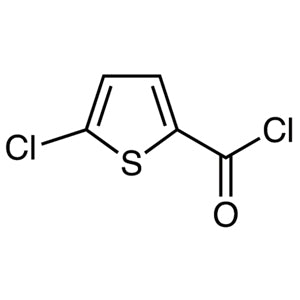
- TCI C2864 42518-98-9 5-Chlorothiophene-2-carbonyl Chloride
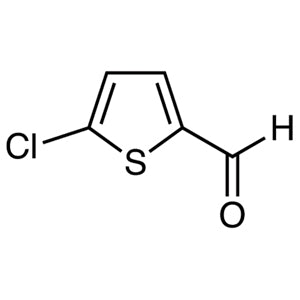
- TCI C1722 7283-96-7 5-Chlorothiophene-2-carboxaldehyde
- Pharmaceutical research utilizes this compound for the synthesis of bioactive molecules due to its reactivity and structural versatility.
- Organic chemistry laboratories use it as a key building block for creating complex heterocyclic structures with potential pharmaceutical applications.
- Drug discovery programs incorporate it into synthetic pathways to develop new therapeutic agents with targeted biological activities.
- Academic research institutions employ it in the study of chemical reactivity and molecular structure for educational and experimental purposes.
- Chemical synthesis projects rely on its functional groups to create novel compounds with specific chemical properties and applications.
| Brand | TCI |
|---|---|
| CAS number | 160982-10-5 |
| Molecular formula | — |
| Purity | — |
| Category | Chemistry > Building Blocks > Heterocyclic Building Blocks |
| Pack sizes | Available in various quantities as per supplier specifications |
| Physical form | Solid |
| Storage | Store in a cool, dry place away from light and moisture |
This compound should be stored in a cool, dry environment to maintain its chemical stability. It is recommended to keep it in airtight containers to prevent exposure to moisture and light, which can degrade its properties. Laboratory personnel should handle it with care, using appropriate protective equipment to ensure safety. Due to its sensitivity, it is best stored in a controlled environment to preserve its reactivity and effectiveness. Proper labeling and storage conditions are essential to maintain its integrity and usability in research applications.
—
Produk Terkait
-
2-Acetyl-5-chlorothiophene TCI A1471
Regular price From Rp 1.378.650,00Regular priceRp 979.650,00Sale price From Rp 1.378.650,00 -
3-Bromo-2-chlorothiophene TCI B2013
Regular price From Rp 1.405.950,00Regular priceRp 998.550,00Sale price From Rp 1.405.950,00 -
2-Bromo-5-chlorothiophene TCI B1996
Regular price From Rp 717.150,00Regular priceRp 516.600,00Sale price From Rp 717.150,00 -
Methyl5-Chlorothiophene-2-carboxylate TCI M2942
Regular price From Rp 1.563.450,00Regular priceRp 1.108.800,00Sale price From Rp 1.563.450,00 -
5-Chlorothiophene-2-carbonylChloride TCI C2864
Regular price From Rp 822.150,00Regular priceRp 590.100,00Sale price From Rp 822.150,00 -
5-Chlorothiophene-2-carboxaldehyde TCI C1722
Regular price From Rp 848.400,00Regular priceRp 609.000,00Sale price From Rp 848.400,00 -
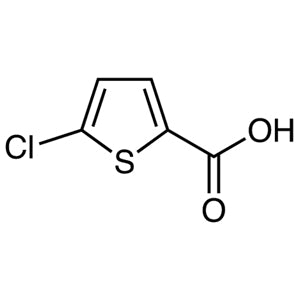
5-Chlorothiophene-2-carboxylicAcid TCI C1230
Regular price From Rp 530.250,00Regular priceRp 386.400,00Sale price From Rp 530.250,00 -
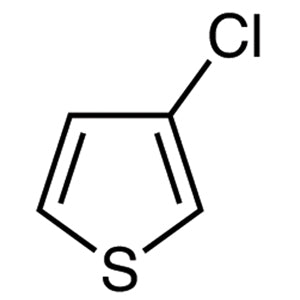
3-Chlorothiophene TCI C1192
Regular price Rp 1.988.700,00Regular priceRp 1.405.950,00Sale price Rp 1.988.700,00