2-Acetyl-5-chlorothiophene is a chemical compound widely used as a building block in the synthesis of complex heterocyclic compounds. Its molecular structure contains a thiophene ring and an acetyl group, making it a valuable intermediate in various organic reactions. In the laboratory, this compound plays a crucial role in the development of pharmaceuticals, polymers, and other organic materials that require intricate molecular structures. Due to its chemical stability and controlled reactivity, it is frequently employed in synthetic pathways that demand precision and versatility.
This compound is preferred for its ability to participate in a range of chemical reactions, including substitution, condensation, and ring-forming processes. Its reactivity with various reagents such as bases, acids, and alkali metals allows for flexible synthetic strategies. The compound’s ability to generate bioactive molecules further enhances its appeal in research settings. Its chemical properties make it a reliable and adaptable tool for chemists working on complex molecular designs.
In Indonesian laboratories, 2-Acetyl-5-chlorothiophene is commonly used in chemical, pharmaceutical, and industrial research. It supports the development of new drugs, advanced materials, and specialized chemical products. Its availability and consistent quality ensure that researchers can rely on it for accurate and reproducible results. This compound is an essential component in the toolkit of scientists working on diverse chemical applications.
TCI brochures (PDF)
- Thiophenes 2026-06-29 · p. 5
Related TCI products
- TCI A2667 160982-10-5 3-Acetyl-2-(aminosulfonyl)-5-chlorothiophene
- TCI B2013 40032-73-3 3-Bromo-2-chlorothiophene
- TCI B1996 2873-18-9 2-Bromo-5-chlorothiophene
- TCI A1182 36157-40-1 3-Acetyl-2,5-dichlorothiophene
- TCI M2942 35475-03-7 Methyl 5-Chlorothiophene-2-carboxylate
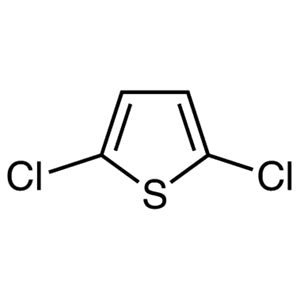
- TCI D0250 3172-52-9 2,5-Dichlorothiophene
- Pharmaceutical research utilizes 2-Acetyl-5-chlorothiophene for the synthesis of bioactive compounds due to its reactivity and structural versatility.
- Polymer development benefits from this compound as it can be incorporated into complex molecular frameworks to enhance material properties.
- Organic synthesis applications rely on its ability to participate in ring-forming and substitution reactions, enabling the creation of novel chemical structures.
- Industrial chemical production uses it as a building block for the manufacture of specialized organic compounds with specific functional groups.
- Bioactive compound research leverages its capacity to generate molecules with high biological activity, supporting drug discovery initiatives.
| Brand | TCI |
|---|---|
| CAS number | 6310-09-4 |
| Molecular formula | — |
| Purity | — |
| Category | Chemistry > Building Blocks > Heterocyclic Building Blocks |
| Pack sizes | Available in various quantities as per supplier specifications |
| Physical form | Solid (as per standard chemical properties) |
| Storage | Store in a cool, dry place away from light and incompatible materials |
2-Acetyl-5-chlorothiophene should be stored in a cool, dry environment, away from direct sunlight and sources of heat. It is recommended to keep it in a sealed container to prevent exposure to moisture and air. Due to its chemical reactivity, it should be stored separately from strong oxidizers, acids, and bases to avoid potential hazardous reactions. In a laboratory setting, it is important to handle this compound with appropriate personal protective equipment, such as gloves and safety goggles, to ensure safe handling. Proper ventilation should be maintained when working with this material to minimize inhalation risks. Regular monitoring of storage conditions ensures the compound remains stable and safe for use in research applications.
—
Produk Terkait
-
3-Acetyl-2-(aminosulfonyl)-5-chlorothiophene TCI A2667
Regular price From Rp 1.670.550,00Regular priceRp 1.183.350,00Sale price From Rp 1.670.550,00 -
3-Bromo-2-chlorothiophene TCI B2013
Regular price From Rp 1.405.950,00Regular priceRp 998.550,00Sale price From Rp 1.405.950,00 -
2-Bromo-5-chlorothiophene TCI B1996
Regular price From Rp 717.150,00Regular priceRp 516.600,00Sale price From Rp 717.150,00 -
3-Acetyl-2,5-dichlorothiophene TCI A1182
Regular price From Rp 557.550,00Regular priceRp 405.300,00Sale price From Rp 557.550,00 -
Methyl5-Chlorothiophene-2-carboxylate TCI M2942
Regular price From Rp 1.563.450,00Regular priceRp 1.108.800,00Sale price From Rp 1.563.450,00 -
2,5-Dichlorothiophene TCI D0250
Regular price Rp 2.623.950,00Regular priceRp 1.850.100,00Sale price Rp 2.623.950,00 -
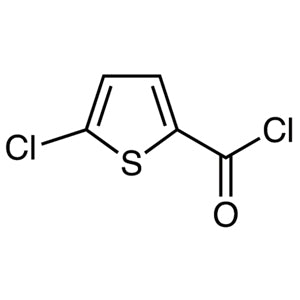
5-Chlorothiophene-2-carbonylChloride TCI C2864
Regular price From Rp 822.150,00Regular priceRp 590.100,00Sale price From Rp 822.150,00 -
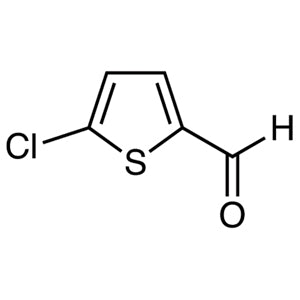
5-Chlorothiophene-2-carboxaldehyde TCI C1722
Regular price From Rp 848.400,00Regular priceRp 609.000,00Sale price From Rp 848.400,00