2-Bromo-5-chlorothiophene is a chemical compound belonging to the heterocyclic category, characterized by its sulfur-containing structure. This compound plays a crucial role in laboratory settings, particularly in the synthesis of complex organic molecules. Its unique chemical structure makes it a valuable building block for researchers in various scientific disciplines. In the laboratory, it serves as a key component in the development of new compounds with specific biological activities, supporting advancements in both organic chemistry and pharmacology.
The compound’s chemical properties, including its reactivity towards organic reagents and its stability under controlled conditions, make it a preferred choice for synthetic chemists. The presence of bromo and chloro groups enhances its versatility, allowing it to participate in a wide range of chemical reactions such as substitution, electrophilic, and catalytic processes. These characteristics make it an essential tool for creating novel heterocyclic compounds with tailored properties.
In Indonesian laboratories, 2-Bromo-5-chlorothiophene is widely used in scientific research, especially in the fields of organic chemistry and pharmacology. It is a common reagent in academic and industrial research settings, where its chemical stability and reactivity are leveraged to develop new drugs and materials. Its application is supported by its availability and reliability, making it a staple in many research institutions across Indonesia.
TCI brochures (PDF)
- Thiophenes 2026-06-29 · p. 5
Related TCI products
- TCI B2013 40032-73-3 3-Bromo-2-chlorothiophene
- TCI A2667 160982-10-5 3-Acetyl-2-(aminosulfonyl)-5-chlorothiophene
- TCI A1471 6310-09-4 2-Acetyl-5-chlorothiophene
- TCI A1182 36157-40-1 3-Acetyl-2,5-dichlorothiophene
- TCI M2942 35475-03-7 Methyl 5-Chlorothiophene-2-carboxylate
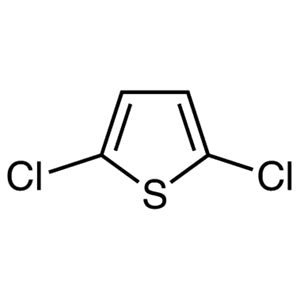
- TCI D0250 3172-52-9 2,5-Dichlorothiophene
- Organic synthesis applications benefit from 2-Bromo-5-chlorothiophene due to its reactivity and structural versatility, enabling the creation of complex heterocyclic compounds.
- Pharmaceutical research utilizes this compound to develop new drugs, as its functional groups can be modified to target specific biological pathways.
- Analytical chemistry laboratories use it as a reference standard for identifying and quantifying thiophene derivatives in various samples.
- Material science studies incorporate it in the synthesis of advanced polymers and functional materials with unique chemical properties.
- Environmental research employs it to study the behavior of halogenated thiophenes in chemical degradation processes and environmental impact assessments.
| Brand | TCI |
|---|---|
| CAS number | 2873-18-9 |
| Molecular formula | — |
| Purity | — |
| Category | Chemistry > Building Blocks > Heterocyclic Building Blocks |
| Pack sizes | Available in various quantities as per supplier specifications |
| Physical form | Solid or liquid, depending on the specific product variant |
| Storage | Store in a cool, dry place away from light and incompatible substances |
2-Bromo-5-chlorothiophene should be stored in a cool, dry environment, away from direct sunlight and sources of heat. It is recommended to keep it in a sealed container to prevent moisture absorption and contamination. The compound is reactive and should be handled with care, using appropriate personal protective equipment such as gloves and safety goggles. It should be stored separately from strong oxidizers and incompatible materials to avoid chemical interactions. In laboratory settings, it is important to ensure proper ventilation and follow standard safety protocols to minimize exposure risks. Always adhere to local regulations and safety guidelines when handling and storing this compound.
—
Produk Terkait
-
3-Bromo-2-chlorothiophene TCI B2013
Regular price From Rp 1.405.950,00Regular priceRp 998.550,00Sale price From Rp 1.405.950,00 -
3-Acetyl-2-(aminosulfonyl)-5-chlorothiophene TCI A2667
Regular price From Rp 1.670.550,00Regular priceRp 1.183.350,00Sale price From Rp 1.670.550,00 -
2-Acetyl-5-chlorothiophene TCI A1471
Regular price From Rp 1.378.650,00Regular priceRp 979.650,00Sale price From Rp 1.378.650,00 -
3-Acetyl-2,5-dichlorothiophene TCI A1182
Regular price From Rp 557.550,00Regular priceRp 405.300,00Sale price From Rp 557.550,00 -
Methyl5-Chlorothiophene-2-carboxylate TCI M2942
Regular price From Rp 1.563.450,00Regular priceRp 1.108.800,00Sale price From Rp 1.563.450,00 -
2,5-Dichlorothiophene TCI D0250
Regular price Rp 2.623.950,00Regular priceRp 1.850.100,00Sale price Rp 2.623.950,00 -
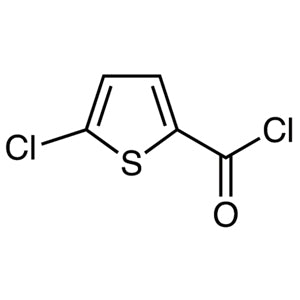
5-Chlorothiophene-2-carbonylChloride TCI C2864
Regular price From Rp 822.150,00Regular priceRp 590.100,00Sale price From Rp 822.150,00 -
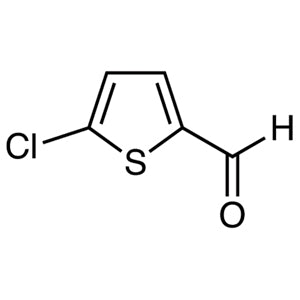
5-Chlorothiophene-2-carboxaldehyde TCI C1722
Regular price From Rp 848.400,00Regular priceRp 609.000,00Sale price From Rp 848.400,00