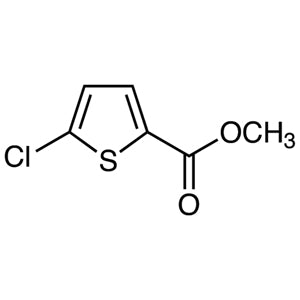
Methyl 5-Chlorothiophene-2-carboxylate is a chemical compound widely used as a building block in the synthesis of heterocyclic compounds. This compound plays a crucial role in organic chemistry laboratories, where it serves as a versatile intermediate for the creation of complex molecular structures. Its presence in the chemical inventory of research facilities enables scientists to explore new synthetic pathways and develop compounds with potential pharmaceutical or industrial applications. Due to its structural versatility, it is a valuable resource for researchers aiming to design and modify organic molecules with specific functional groups.
The compound is valued for its chemical stability and controlled reactivity, which make it suitable for a wide range of chemical reactions. Its ability to undergo substitution reactions under specific conditions allows for the synthesis of various derivatives, expanding its utility in synthetic chemistry. The molecular structure of Methyl 5-Chlorothiophene-2-carboxylate provides the necessary flexibility for chemical modifications, making it a preferred choice in laboratories that require reliable and adaptable starting materials.
In Indonesian laboratories, this compound is commonly used in organic chemistry, pharmaceutical research, and material science. Local researchers frequently utilize it to develop new compounds, particularly in the field of drug discovery and synthesis. Its availability in solid form and solubility in organic solvents further enhance its practicality for use in various experimental setups.
Related TCI products
- Organic synthesis applications benefit from its role as a key intermediate in the creation of complex heterocyclic structures.
- Pharmaceutical research utilizes it for the development of compounds with potential therapeutic properties.
- Material science applications leverage its chemical versatility for the synthesis of advanced functional materials.
- Chemical modification projects take advantage of its reactivity and structural adaptability for compound design.
- Analytical chemistry laboratories use it as a reference standard for qualitative and quantitative analysis.
| Brand | TCI |
|---|---|
| CAS number | 35475-03-7 |
| Molecular formula | — |
| Purity | — |
| Category | Chemistry > Building Blocks > Heterocyclic Building Blocks |
| Pack sizes | Available in standard laboratory quantities |
| Physical form | Solid |
| Storage | Store in a cool, dry place away from direct sunlight |
Methyl 5-Chlorothiophene-2-carboxylate should be stored in a cool, dry environment to maintain its chemical integrity. It is recommended to keep it in a sealed container to prevent exposure to moisture and air. The compound is typically stored in glass or polyethylene containers to ensure compatibility with its chemical properties. Due to its reactivity under certain conditions, it is important to handle it with care and avoid contact with incompatible substances. Proper labeling and storage conditions help ensure the safety of laboratory personnel and the consistency of experimental results. Always follow standard laboratory safety protocols when working with this compound.
—
Produk Terkait
-
3-Bromo-2-chlorothiophene TCI B2013
Regular price From Rp 1.353.450,00Regular price -
2-Bromo-5-chlorothiophene TCI B1996
Regular price From Rp 664.650,00Regular price -
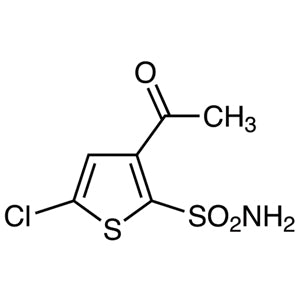
3-Acetyl-2-(aminosulfonyl)-5-chlorothiophene TCI A2667
Regular price From Rp 1.618.050,00Regular price -
2-Acetyl-5-chlorothiophene TCI A1471
Regular price From Rp 1.326.150,00Regular price -
3-Acetyl-2,5-dichlorothiophene TCI A1182
Regular price From Rp 505.050,00Regular price -
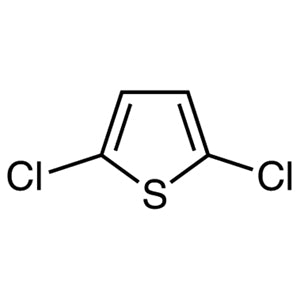
2,5-Dichlorothiophene TCI D0250
Regular price Rp 2.571.450,00Regular price -
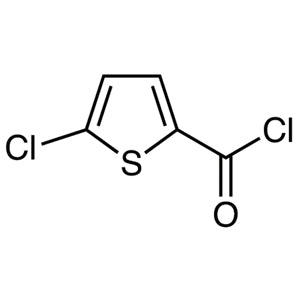
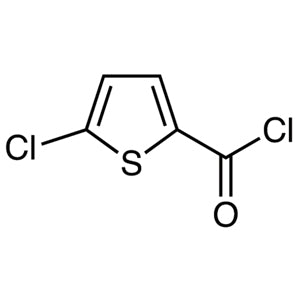
5-Chlorothiophene-2-carbonylChloride TCI C2864
Regular price From Rp 769.650,00Regular price -
5-Chlorothiophene-2-carboxaldehyde TCI C1722
Regular price From Rp 795.900,00Regular price