5-Amino-2-(4-aminophenyl)benzimidazole is a chemical compound widely used in material science and functional chemistry research. This compound plays a crucial role in laboratories by serving as a ligand for the synthesis of functional metal complexes. Its unique molecular structure enables the formation of stable and reactive metal complexes, making it an essential component in the development of advanced materials. Due to its chemical versatility, it is frequently employed in experimental setups that require precise control over the properties of metal-based compounds.
The compound's key properties include the presence of two amino groups, which allow it to coordinate with various transition metals such as nickel, cobalt, and silver. This dual functionality enhances its utility in creating metal complexes with tailored properties, such as conductivity or catalytic activity. The benzimidazole ring further contributes to the stability and reactivity of the resulting complexes, making it a preferred ligand in functional chemistry applications. Its chemical stability and reactivity make it a reliable choice for researchers aiming to develop new materials and chemical systems.
In Indonesian laboratories, this compound is commonly used in applied research projects such as chemical sensors, catalyst development, and electrode material synthesis. Local researchers often rely on it to advance technologies that align with industrial and environmental needs. Its role in innovation is significant, particularly in the context of developing sustainable and high-performance materials. The compound’s adaptability and effectiveness in various experimental conditions make it a valuable resource for scientific investigations in Indonesia.
TCI brochures (PDF)
- Ligands 2025-12-01 · p. 11
Related TCI products
- TCI B2812 2622-74-4 2-(4-Bromophenyl)benzimidazole
- TCI H1736 2963-66-8 2-(2-Hydroxyphenyl)-1H-benzimidazole
- TCI C2027 1019-85-8 2-(4-Chlorophenyl)benzimidazole
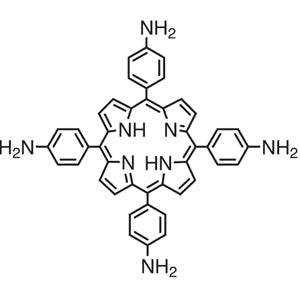
- TCI T1494 22112-84-1 5,10,15,20-Tetrakis(4-aminophenyl)porphyrin
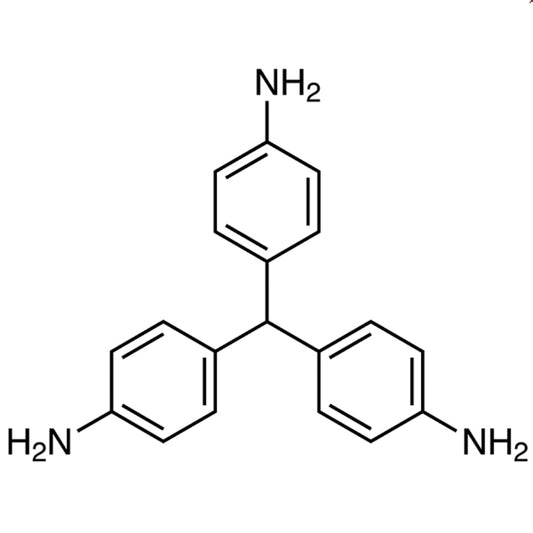
- TCI T3599 548-61-8 Tris(4-aminophenyl)methane
- TCI T3072 5496-71-9 N,N,N',N'-Tetrakis(4-dibutylaminophenyl)-1,4-benzoquinone Diiminium Bis(hexafluoroantimonate)
- Functional metal complex synthesis for the development of advanced materials due to its ability to form stable and reactive metal-ligand bonds.
- Chemical sensor research as it provides a reliable platform for detecting specific metal ions through its amino group coordination properties.
- Catalyst development in industrial processes where metal-based catalysts are required for enhanced reaction efficiency and selectivity.
- Electrode material fabrication for use in batteries and other electrochemical devices due to its structural compatibility with metal complexes.
- Material innovation in the field of nanotechnology for creating novel compounds with unique physical and chemical properties.
| Brand | TCI |
|---|---|
| CAS number | 7621-86-5 |
| Molecular formula | — |
| Purity | — |
| Category | Materials Science > Material Building Blocks > Ligands for Functional Metal Complexes |
| Pack sizes | Available in various quantities as per standard laboratory supply options |
| Physical form | Solid powder |
| Storage | Store in a cool, dry, and well-ventilated area away from direct sunlight |
This compound should be stored in a cool, dry, and well-ventilated area to maintain its chemical integrity. It is recommended to use airtight containers to prevent moisture absorption and contamination. Due to its chemical nature, it should be handled with appropriate personal protective equipment, including gloves and safety goggles. Avoid exposure to direct sunlight and ensure proper ventilation when working with the compound in a laboratory setting. Keep it away from incompatible substances to prevent unwanted reactions. Regular monitoring of storage conditions is essential to ensure the material remains suitable for use in research applications.
—
Produk Terkait
-
2-(4-Bromophenyl)benzimidazole TCI B2812
Regular price From Rp 1.961.400,00Regular price -
2-(2-Hydroxyphenyl)-1H-benzimidazole TCI H1736
Regular price From Rp 2.571.450,00Regular price -
2-(4-Chlorophenyl)benzimidazole TCI C2027
Regular price From Rp 3.100.650,00Regular price -
5,10,15,20-Tetrakis(4-aminophenyl)porphyrin TCI T1494
Regular price Rp 6.175.050,00Regular price -
Tris(4-aminophenyl)methane TCI T3599
Regular price From Rp 3.658.200,00Regular price -
N,N,N',N'-Tetrakis(4-dibutylaminophenyl)-1,4-benzoquinoneDiiminiumBis(hexafluoroantimonate) TCI T3072
Regular price From Rp 3.075.450,00Regular price -
Tetrakis(4-aminophenyl)methane TCI T2947
Regular price From Rp 1.856.400,00Regular price