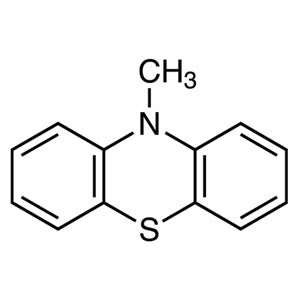
1-Azaphenothiazine is a chemical compound widely used in organic chemistry reactions, particularly in the synthesis of heterocyclic compounds. It is a key building block in the development of new chemical entities and the modification of molecular structures. This compound features a nitrogen atom within the phenothiazine ring, contributing to its unique chemical properties and functional versatility. Its presence in laboratory settings is essential for researchers aiming to create complex molecules with specific functionalities.
The compound is known for its chemical stability and controlled reactivity, making it suitable for precise chemical reactions. Its ability to form bonds with various functional groups enhances its utility in the synthesis of diverse chemical structures. These characteristics make it a preferred choice for organic chemists and pharmaceutical researchers looking to explore new synthetic pathways and molecular designs.
In Indonesian laboratories, 1-Azaphenothiazine is commonly used in scientific research and chemical product development. It is a fundamental component in the work of research institutions and universities, supporting advancements in organic chemistry and pharmacological synthesis. Its role in these contexts highlights its importance as a reliable and versatile reagent in the chemical industry.
TCI brochures (PDF)
- Phenylphenothiazine (PTH) Derivatives 2026-09-16 · p. 1
Related TCI products
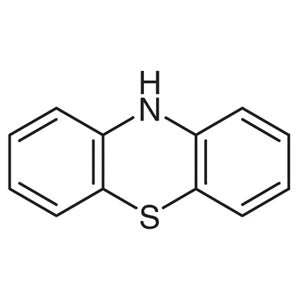
- TCI P0106 92-84-2 Phenothiazine
- TCI M3639 58736-69-9 10-(4-Methoxyphenyl)-10H-phenothiazine
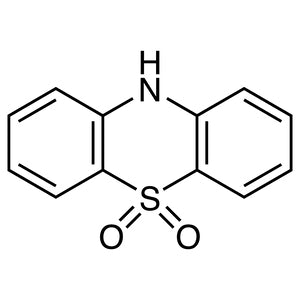
- TCI D6164 1209-66-1 10H-Phenothiazine 5,5-Dioxide
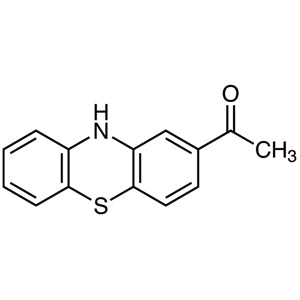
- TCI A2815 6631-94-3 2-Acetylphenothiazine
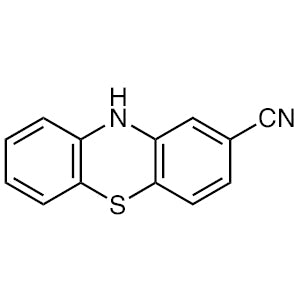
- TCI P2308 38642-74-9 10H-Phenothiazine-2-carbonitrile
- TCI M3068 2098786-35-5 10-[2-(2-Methoxyethoxy)ethyl]-10H-phenothiazine
- Organic synthesis projects benefit from 1-Azaphenothiazine due to its ability to participate in a variety of reaction mechanisms, enabling the creation of complex heterocyclic structures.
- Pharmaceutical research utilizes this compound for the development of new drugs, as its nitrogen-containing ring system is often found in biologically active molecules.
- Heterocyclic compound synthesis relies on 1-Azaphenothiazine as a key intermediate, offering a stable and reactive platform for further chemical modifications.
- Academic research institutions use it extensively in teaching and experimental studies to demonstrate the principles of heterocyclic chemistry and synthetic methodology.
- Industrial chemical development incorporates this compound to expand the range of available chemical building blocks for innovation and product diversification.
| Brand | TCI |
|---|---|
| CAS number | 261-96-1 |
| Molecular formula | — |
| Purity | — |
| Category | Chemistry > Building Blocks > Heterocyclic Building Blocks |
| Pack sizes | Available in various quantities as per standard laboratory supply |
| Physical form | Solid |
| Storage | Store in a cool, dry place away from light and moisture |
1-Azaphenothiazine should be stored in a cool, dry environment, away from direct sunlight and sources of moisture. It is recommended to keep the compound in a sealed container to prevent exposure to air and humidity. Due to its chemical stability, it does not require refrigeration but should be protected from potential contaminants. Laboratory personnel should handle the compound with care, using appropriate personal protective equipment such as gloves and safety goggles. It is important to ensure that the storage area is well-ventilated to minimize any risk of inhalation. Proper labeling of containers is essential to maintain safety and prevent accidental misuse.
—
Produk Terkait
-
Phenothiazine TCI P0106
Regular price Rp 530.250,00Regular priceRp 386.400,00Sale price Rp 530.250,00 -
10-(4-Methoxyphenyl)-10H-phenothiazine TCI M3639
Regular price Rp 2.677.500,00Regular priceRp 1.887.900,00Sale price Rp 2.677.500,00 -
10H-Phenothiazine5,5-Dioxide TCI D6164
Regular price Rp 3.285.450,00Regular priceRp 2.313.150,00Sale price Rp 3.285.450,00 -
2-Acetylphenothiazine TCI A2815
Regular price Rp 4.504.500,00Regular priceRp 3.165.750,00Sale price Rp 4.504.500,00 -
10H-Phenothiazine-2-carbonitrile TCI P2308
Regular price Rp 900.900,00Regular priceRp 645.750,00Sale price Rp 900.900,00 -
10-[2-(2-Methoxyethoxy)ethyl]-10H-phenothiazine TCI M3068
Regular price Rp 3.365.250,00Regular priceRp 2.368.800,00Sale price Rp 3.365.250,00 -
10-Methylphenothiazine TCI M2517
Regular price Rp 2.332.050,00Regular priceRp 1.646.400,00Sale price Rp 2.332.050,00 -
2-Methylthiophenothiazine TCI M1387
Regular price Rp 4.213.650,00Regular priceRp 2.962.050,00Sale price Rp 4.213.650,00

![2098786-35-5 10-[2-(2-Methoxyethoxy)ethyl]-10H-phenothiazine - AMI Scientific](http://amiscientific.com/cdn/shop/files/TCI2510M3068.jpg?v=1767127707&width=533)