![98997-63-8 5-Azoniaspiro[4.4]nonane Chloride - AMI Scientific](http://amiscientific.com/cdn/shop/files/TCI_a26e2494-b57b-4cfc-86aa-2b9d81a75643.png?v=1766989192&width=1946)
![98997-63-8 5-Azoniaspiro[4.4]nonane Chloride - AMI Scientific](http://amiscientific.com/cdn/shop/files/TCI2510A3092.jpg?v=1769144813&width=1946)
![98997-63-8 5-Azoniaspiro[4.4]nonane Chloride - AMI Scientific](http://amiscientific.com/cdn/shop/files/TCI_a26e2494-b57b-4cfc-86aa-2b9d81a75643.png?v=1766989192&width=1445)
![98997-63-8 5-Azoniaspiro[4.4]nonane Chloride - AMI Scientific](http://amiscientific.com/cdn/shop/files/TCI2510A3092.jpg?v=1769144813&width=1445)
5-Azoniaspiro[4.4]nonane Chloride is a specialized chemical compound used in materials research, particularly in the development of perovskite solar cells. This material plays a crucial role in the synthesis of active layers within photovoltaic devices, which are essential for converting sunlight into electricity. In laboratory settings, it serves as a key component in formulations that require unique optical and electronic properties. Its chemical structure enables effective interactions with various reagents during synthesis processes, making it a valuable tool for researchers working on advanced photovoltaic technologies.
The compound is favored for its stable chemical properties and good reactivity, which contribute to its effectiveness in synthesizing high-performance perovskite materials. Its ability to act as a precursor in the formation of perovskite layers enhances the efficiency of light-to-energy conversion. Additionally, its relatively stable nature minimizes unwanted side reactions during the fabrication process, ensuring consistent results in experimental setups. These characteristics make it a reliable choice for scientists aiming to develop sustainable and efficient solar cell technologies.
In Indonesian laboratories, this compound is commonly used in research related to renewable energy and innovative materials. It is a key ingredient in the development of new photovoltaic materials, supporting efforts to create more efficient and environmentally friendly energy solutions. Researchers and academic institutions in Indonesia rely on this compound to advance their work in sustainable energy technologies.
TCI brochures (PDF)
- Organic-Inorganic Perovskite Precursors 2026-09-01 · p. 3
- Solar Cell Materials 2026-04-21 · p. 8
Related TCI products
- TCI A3093 45650-35-9 5-Azoniaspiro[4.4]nonane Iodide
- TCI A3091 16450-38-7 5-Azoniaspiro[4.4]nonane Bromide
- TCI A0008 124-42-5 Acetamidine Hydrochloride
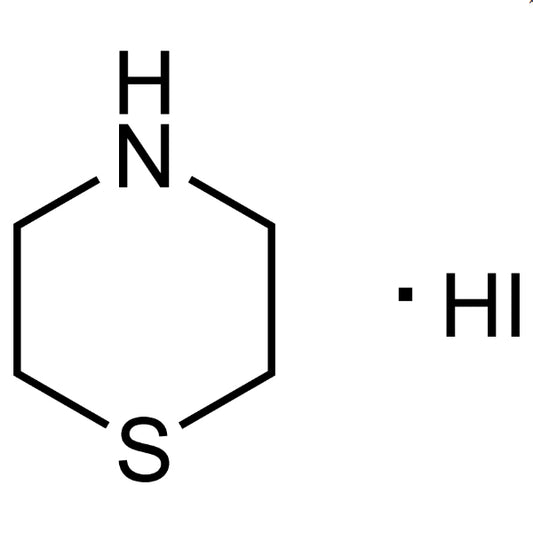
- TCI T4375 118725-79-4 Thiomorpholine Hydroiodide
- TCI T2648 429-42-5 Tetrabutylammonium Tetrafluoroborate
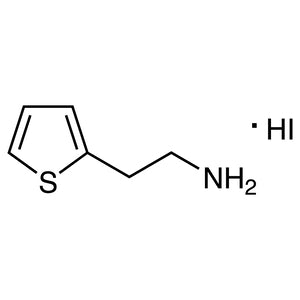
- TCI A3720 2414055-94-8 2-(Thiophen-2-yl)ethan-1-amine Hydroiodide
- Perovskite Solar Cell Fabrication: This compound is essential for creating the active layers in perovskite solar cells, which are crucial for efficient light absorption and energy conversion.
- Material Synthesis Research: It is widely used in the synthesis of novel materials with unique optical and electronic properties, supporting advancements in photovoltaic technology.
- Photovoltaic Device Development: Its role as a precursor in perovskite layer formation makes it ideal for developing high-performance solar cell prototypes.
- Renewable Energy Innovation: It is a key component in research aimed at improving the efficiency and sustainability of solar energy technologies.
- Academic and Industrial Research: It is frequently used in both academic and industrial settings to explore new applications and improve existing solar cell technologies.
| Brand | TCI |
|---|---|
| CAS number | 98997-63-8 |
| Molecular formula | — |
| Purity | — |
| Category | Materials Science > Electronic Materials > Perovskite Solar Cell (PSC) Materials |
| Pack sizes | Available in various quantities as per standard laboratory supply |
| Physical form | Solid (as per standard chemical specifications) |
| Storage | Store in a cool, dry place away from direct light and moisture |
This compound should be stored in a cool, dry environment, away from direct sunlight and moisture to maintain its stability and effectiveness. It is recommended to use airtight containers to prevent exposure to air and humidity, which could affect its chemical integrity. Proper labeling of storage containers is essential for safe handling and easy identification. In laboratory settings, it should be handled with appropriate personal protective equipment, including gloves and safety goggles, to ensure safe usage. Regular monitoring of storage conditions is advised to ensure the material remains in optimal condition for research applications.
—
Produk Terkait
-
5-Azoniaspiro[4.4]nonaneIodide TCI A3093
Regular price From Rp 1.458.450,00Regular price -
5-Azoniaspiro[4.4]nonaneBromide TCI A3091
Regular price From Rp 1.353.450,00Regular price -
AcetamidineHydrochloride TCI A0008
Regular price From Rp 557.550,00Regular price -
ThiomorpholineHydroiodide TCI T4375
Regular price From Rp 1.936.200,00Regular price -
TetrabutylammoniumTetrafluoroborate TCI T2648
Regular price Rp 2.757.300,00Regular price -
2-(Thiophen-2-yl)ethan-1-amineHydroiodide TCI A3720
Regular price From Rp 1.378.650,00Regular price -
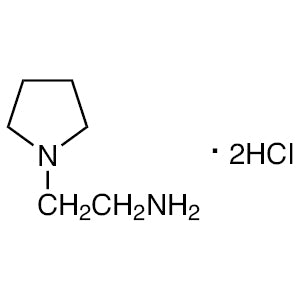
2-(1-Pyrrolidinyl)ethanamineDihydrochloride TCI A3393
Regular price Rp 1.881.600,00Regular price -
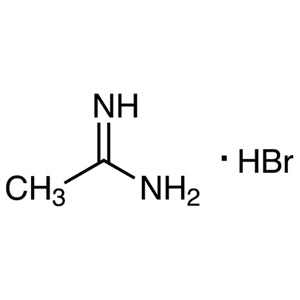
AcetamidineHydrobromide TCI A3292
Regular price From Rp 1.220.100,00Regular price
![45650-35-9 5-Azoniaspiro[4.4]nonane Iodide - AMI Scientific](http://amiscientific.com/cdn/shop/files/TCI2510A3093.jpg?v=1768358839&width=533)
![16450-38-7 5-Azoniaspiro[4.4]nonane Bromide - AMI Scientific](http://amiscientific.com/cdn/shop/files/TCI_611ba7e3-f017-41af-9993-77cb801e8dec.png?v=1766989186&width=533)