Abafungin, with CAS number 129639-79-8, is a chemical compound widely used in life science research. As an antibiotic, it is specifically effective against fungal microorganisms, making it a valuable tool in microbiological studies. This compound is commonly found in laboratories where researchers are focused on isolating and identifying fungal pathogens. Its role extends beyond simple identification, as it is also used in biochemical testing and drug development. Abafungin's ability to interact with fungal cell membranes makes it an essential reagent for understanding antimicrobial mechanisms and developing new therapeutic strategies.
One of the key properties that make Abafungin a preferred choice is its chemical stability under certain conditions, which simplifies storage and long-term use. Its complex molecular structure allows for specific interactions with biological targets, ensuring reliable and reproducible results in experimental settings. This stability and specificity are crucial for maintaining the integrity of research outcomes, especially in high-precision scientific studies. Additionally, its consistent performance across various laboratory applications enhances its utility in both academic and industrial research environments.
In Indonesian laboratories, Abafungin is commonly used as a supporting material in microbiology, pharmacology, and biotechnology research. It plays a vital role in studies aimed at understanding fungal diseases and developing infection control strategies. Its presence in these labs underscores its importance in advancing scientific knowledge and contributing to public health initiatives. Researchers rely on Abafungin for its accuracy and effectiveness in a wide range of experimental protocols.
TCI brochures (PDF)
- Antimicrobials and Antitumor Agents for Research and Experimental Use 2025-04-24 · p. 9
- Pharmaceutical Ingredients for Research and Experimental Use 2026-03-09 · p. 9
- Microbial Identification: Abafungin is used to identify and isolate fungal pathogens, offering a reliable method for distinguishing between different fungal species in microbiological studies.
- Antifungal Drug Development: Its antimicrobial activity against fungi makes it a valuable tool in the development of new antifungal agents and therapeutic strategies.
- Biochemical Testing: Abafungin supports biochemical assays that investigate the mechanisms of fungal cell membrane interactions and antimicrobial action.
- Pharmacological Research: It is employed in studies that explore the pharmacological effects of antifungal compounds on various biological systems.
- Biotechnology Applications: Abafungin is used in biotechnological research to develop and test new methods for controlling fungal infections in agricultural and industrial settings.
| Brand | TCI |
|---|---|
| CAS number | 129639-79-8 |
| Molecular formula | — |
| Purity | — |
| Category | Life Science > Biochemicals and Reagents > Antibiotics |
| Pack sizes | Available in standard laboratory quantities |
| Physical form | Solid powder |
| Storage | Store in a cool, dry place away from light |
Abafungin should be stored in a cool, dry environment to maintain its chemical stability and effectiveness. It is recommended to keep the compound in a sealed container to prevent moisture absorption and contamination. Due to its antimicrobial properties, it is important to handle it with appropriate laboratory safety measures, such as using gloves and a fume hood when necessary. Avoid exposure to direct sunlight or high humidity, as these conditions may affect its performance. Proper labeling and storage conditions ensure the compound remains viable for extended use in research applications. Always follow standard laboratory protocols to maintain the integrity of the material during handling and experimentation.
—
Product Categories
- Biochemicals and ReagentsAntibioticsAntibiotics (by Application)
- Biochemicals and ReagentsPharmaceutical Research Reagents (for Experimental Use)Antifungal Ingredients (for Research and Experimental Use)
- MicrobiologyAntibioticsAntibiotics (by Application)
- Pharmaceutical Development and Drug Discovery ResearchPharmaceutical Research Reagents (for Experimental Use)Antifungal Ingredients (for Research and Experimental Use)
- Pharmaceutical Development and Drug Discovery ResearchAntibioticsAntibiotics (by Application)
Produk Terkait
-
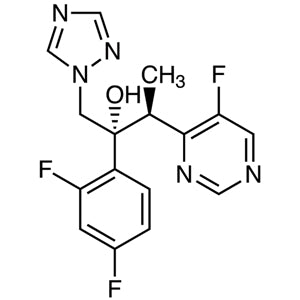
Voriconazole TCI V0116
Regular price From Rp 1.696.800,00Regular priceRp 1.202.250,00Sale price From Rp 1.696.800,00 -
SulconazoleNitrate TCI U0112
Regular price From Rp 3.312.750,00Regular priceRp 2.332.050,00Sale price From Rp 3.312.750,00 -
Tavaborole TCI T3775
Regular price Rp 2.173.500,00Regular priceRp 1.535.100,00Sale price Rp 2.173.500,00 -
Terbinafine TCI T3677
Regular price From Rp 2.173.500,00Regular priceRp 1.535.100,00Sale price From Rp 2.173.500,00 -
ButoconazoleNitrate TCI B4801
Regular price Rp 2.464.350,00Regular priceRp 1.738.800,00Sale price Rp 2.464.350,00 -
Bifonazole TCI B4173
Regular price From Rp 1.192.800,00Regular priceRp 849.450,00Sale price From Rp 1.192.800,00 -
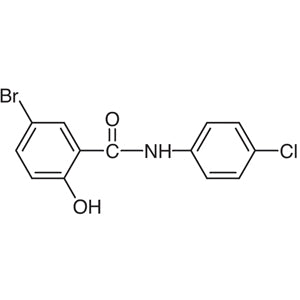
5-Bromo-4'-chlorosalicylanilide TCI B0897
Regular price Rp 7.048.650,00Regular priceRp 4.944.450,00Sale price Rp 7.048.650,00 -
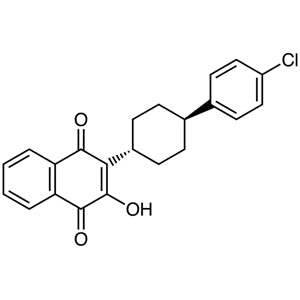
Atovaquone TCI A2545
Regular price From Rp 1.988.700,00Regular priceRp 1.405.950,00Sale price From Rp 1.988.700,00