Ajmaline is a chemical compound widely used in scientific research, particularly in pharmacology and biochemistry. As an alkaloid, it plays a crucial role in laboratories where researchers investigate the mechanisms of drug action and the effects of compounds on biological systems. Its application extends to studies involving the nervous system and cardiac responses, making it an essential tool for understanding physiological and pharmacological interactions. Ajmaline is commonly used in experiments that require precise control over chemical stimuli and their biological outcomes.
Ajmaline is valued for its chemical stability and well-defined properties, which make it a reliable choice for various experimental setups. It is a non-polar compound with limited solubility in organic solvents, allowing researchers to manipulate its concentration and distribution effectively. The compound’s complex molecular structure also makes it ideal for studying molecular interactions and biochemical pathways. Its stability under specific conditions ensures that it remains viable for extended use, contributing to the reproducibility and accuracy of experimental results.
In Indonesian laboratories, Ajmaline is frequently used in pharmacological and molecular biology research. It is a key component in studies aimed at understanding drug mechanisms and their effects on biological systems. Researchers in Indonesia rely on Ajmaline to conduct experiments related to nerve function, cardiac activity, and the development of new therapeutic agents. Its consistent performance and reliability make it a preferred choice for scientific investigations in the region.
TCI brochures (PDF)
- Alkaloids 2025-10-10 · p. 6
- Pharmaceutical Ingredients for Research and Experimental Use 2026-03-09 · p. 42
- Pharmacological research for studying drug mechanisms and effects on the nervous system and heart.
- Biochemical experiments to analyze molecular interactions and biological responses to chemical stimuli.
- Molecular biology studies focusing on the role of alkaloids in cellular and physiological processes.
- Toxicology testing to assess the impact of compounds on biological systems and cellular responses.
- Cardiac research to investigate the effects of alkaloids on heart function and electrical activity.
| Brand | TCI |
|---|---|
| CAS number | 4360-12-7 |
| Molecular formula | — |
| Purity | — |
| Category | Life Science > Biochemicals and Reagents > Alkaloids |
| Pack sizes | 100 mg, 500 mg, 1 g |
| Physical form | White crystalline powder |
| Storage | Store in a cool, dry place away from light and moisture |
Ajmaline should be stored in a cool, dry environment, away from direct light and moisture to maintain its chemical stability. It is recommended to use airtight containers to prevent exposure to air and humidity, which could affect its integrity. Due to its non-polar nature, it is advisable to handle it with appropriate personal protective equipment, such as gloves and safety goggles, to ensure laboratory safety. The compound should be kept in a secure location to prevent accidental exposure. Proper storage conditions help preserve its effectiveness for extended periods, ensuring reliable results in experimental applications. Always follow standard laboratory safety protocols when handling and using Ajmaline.
—
Product Categories
- Biochemicals and ReagentsAlkaloidsIndole Alkaloids
- Biochemicals and ReagentsPharmaceutical Research Reagents (for Experimental Use)Pharmaceutical Research Reagents (Others)
- Pharmaceutical Development and Drug Discovery ResearchPharmaceutical Research Reagents (for Experimental Use)Pharmaceutical Research Reagents (Others)
Produk Terkait
-
Vinpocetine TCI V0115
Regular price From Rp 1.060.500,00Regular priceRp 757.050,00Sale price From Rp 1.060.500,00 -
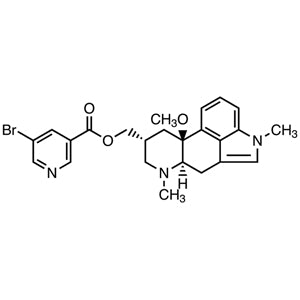
Nicergoline TCI N0904
Regular price From Rp 1.351.350,00Regular priceRp 960.750,00Sale price From Rp 1.351.350,00 -
DihydroergotamineMesylate TCI D2633
Regular price From Rp 1.087.800,00Regular priceRp 775.950,00Sale price From Rp 1.087.800,00 -
L-Adrenaline TCI A0173
Regular price Rp 1.351.350,00Regular priceRp 960.750,00Sale price Rp 1.351.350,00 -
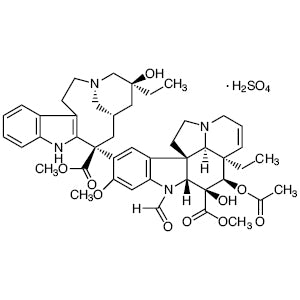
VincristineSulfate TCI V0129
Regular price Rp 4.636.800,00Regular priceRp 3.258.150,00Sale price Rp 4.636.800,00 -
Theophylline-7-aceticAcid TCI T2941
Regular price Rp 1.087.800,00Regular priceRp 775.950,00Sale price Rp 1.087.800,00 -
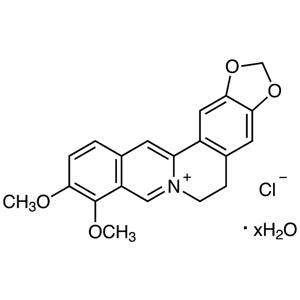
BerberineChlorideHydrate TCI B0450
Regular price From Rp 557.550,00Regular priceRp 405.300,00Sale price From Rp 557.550,00 -
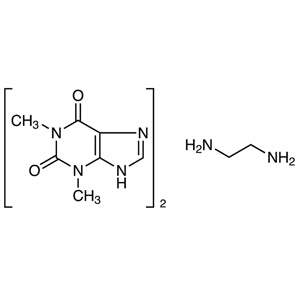
Aminophylline TCI A2805
Regular price Rp 928.200,00Regular priceRp 664.650,00Sale price Rp 928.200,00