2-(4-Aminophenyl)benzoxazol-5-amine is a chemical compound widely used in organic synthesis reactions. It serves as a key building block in the development of complex heterocyclic compounds, playing a crucial role in both pharmaceutical and organic chemistry research. This compound is particularly valued for its ability to contribute to the synthesis of bioactive molecules, making it an essential tool in the laboratory for creating new compounds with therapeutic potential. Its structural versatility allows it to be incorporated into a variety of synthetic pathways, enhancing the efficiency of chemical synthesis processes.
The compound is known for its stable molecular structure and favorable reactivity under various chemical conditions. These properties make it a preferred choice for researchers aiming to explore new synthetic routes or modify existing molecular frameworks. Its ability to react with amines, acids, and bases expands its applicability in the synthesis of heterocyclic derivatives. This reactivity, combined with its chemical stability, ensures that it remains a reliable and effective component in a wide range of laboratory applications.
In Indonesian laboratories, 2-(4-Aminophenyl)benzoxazol-5-amine is commonly used in pharmacological and organic chemistry research. It supports the development of new drugs and materials by enabling the construction of complex molecular structures. Its availability in a solid form and practical packaging facilitates its use and storage, making it a valuable resource for academic and industrial research settings.
Related TCI products
- TCI D6250 13676-49-8 2-(3-Aminophenyl)-1H-benzo[d]imidazol-5-amine
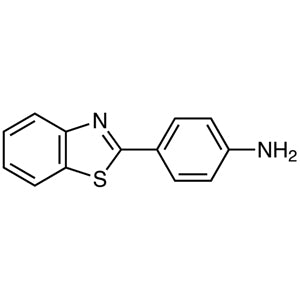
- TCI A2672 6278-73-5 2-(4-Aminophenyl)benzothiazole
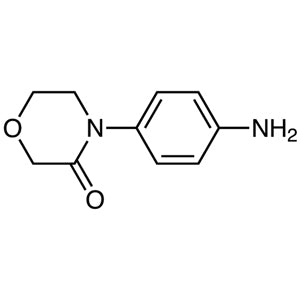
- TCI A2614 438056-69-0 4-(4-Aminophenyl)morpholin-3-one
- TCI A1966 84102-58-9 5-Amino-2-(4-aminophenyl)benzofuran
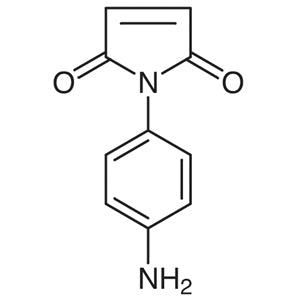
- TCI A0825 29753-26-2 N-(4-Aminophenyl)maleimide
- TCI M1920 74852-62-3 1-(4-Aminophenyl)-4-(4-methoxyphenyl)piperazine
- Organic synthesis applications benefit from this compound's role as a versatile building block, enabling the creation of complex heterocyclic structures essential in drug development.
- Pharmacological research utilizes this compound to design and test new bioactive molecules with potential therapeutic applications.
- Material science studies incorporate this compound to develop novel materials with specific chemical and physical properties.
- Chemical research laboratories rely on its reactivity and stability for synthesizing derivatives with diverse functional groups.
- Educational institutions use it to teach advanced organic synthesis techniques and heterocyclic chemistry principles.
| Brand | TCI |
|---|---|
| CAS number | 13676-47-6 |
| Molecular formula | — |
| Purity | — |
| Category | Chemistry > Building Blocks > Heterocyclic Building Blocks |
| Pack sizes | Available in various quantities as per standard laboratory requirements |
| Physical form | Solid |
| Storage | Store in a cool, dry place away from direct sunlight and moisture |
This compound should be stored in a cool, dry environment to maintain its chemical stability and prevent degradation. It is recommended to use airtight containers to protect it from moisture and contaminants. Due to its reactivity, it should be handled with care, ideally in a well-ventilated laboratory setting. Proper personal protective equipment, such as gloves and safety goggles, should be worn during handling. Avoid exposure to strong acids or bases to prevent unwanted chemical reactions. Regular monitoring of storage conditions ensures the compound remains suitable for use in laboratory applications.
—
Produk Terkait
-
2-(3-Aminophenyl)-1H-benzo[d]imidazol-5-amine TCI D6250
Regular price From Rp 2.279.550,00Regular priceRp 1.609.650,00Sale price From Rp 2.279.550,00 -
2-(4-Aminophenyl)benzothiazole TCI A2672
Regular price Rp 1.351.350,00Regular priceRp 960.750,00Sale price Rp 1.351.350,00 -
4-(4-Aminophenyl)morpholin-3-one TCI A2614
Regular price From Rp 530.250,00Regular priceRp 386.400,00Sale price From Rp 530.250,00 -
5-Amino-2-(4-aminophenyl)benzofuran TCI A1966
Regular price Rp 3.285.450,00Regular priceRp 2.313.150,00Sale price Rp 3.285.450,00 -
N-(4-Aminophenyl)maleimide TCI A0825
Regular price Rp 3.445.050,00Regular priceRp 2.424.450,00Sale price Rp 3.445.050,00 -
1-(4-Aminophenyl)-4-(4-methoxyphenyl)piperazine TCI M1920
Regular price From Rp 1.431.150,00Regular priceRp 1.016.400,00Sale price From Rp 1.431.150,00 -
2,5-Bis(4-aminophenyl)-1,3,4-oxadiazole TCI B2169
Regular price From Rp 1.167.600,00Regular priceRp 831.600,00Sale price From Rp 1.167.600,00 -
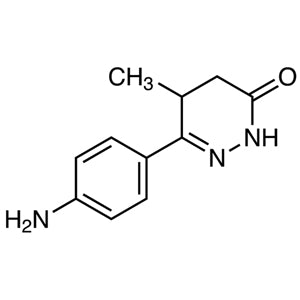
6-(4-Aminophenyl)-4,5-dihydro-5-methyl-3(2H)-pyridazinone TCI A2919
Regular price Rp 1.723.050,00Regular priceRp 1.220.100,00Sale price Rp 1.723.050,00