5-Amino-2-(4-aminophenyl)benzofuran is a chemical compound widely used in laboratory settings as a key building block for the synthesis of complex heterocyclic compounds. Its unique molecular structure, featuring a benzofuran ring with two amino groups, makes it a valuable tool in organic chemistry research. This compound plays a crucial role in the development of bioactive molecules, including pharmaceuticals and industrial chemicals, due to its structural versatility and reactivity. In the laboratory, it serves as a foundational element for constructing more intricate chemical structures, whether in the synthesis of new compounds or the modification of existing ones.
The compound's high reactivity and complex molecular framework make it a preferred choice for chemists seeking to engage in advanced synthetic processes. Its ability to participate in various reactions, such as substitution and condensation, with reagents like alkyl halides, acids, and bases, enhances its utility in diverse chemical applications. Additionally, its chemical stability under controlled conditions allows for predictable outcomes in synthetic pathways, making it a reliable reagent in both academic and industrial research environments.
In Indonesian laboratories, 5-Amino-2-(4-aminophenyl)benzofuran is frequently used in research focused on bioactive compound development. Its relevance in pharmacological studies and industrial chemical synthesis positions it as a critical component in the pursuit of new therapeutic agents and functional materials. The compound’s adaptability and reactivity make it a go-to material for chemists working on complex molecular designs and functional group modifications.
Related TCI products
- TCI B2169 2425-95-8 2,5-Bis(4-aminophenyl)-1,3,4-oxadiazole
- TCI B1066 1679-98-7 2,5-Bis(4-diethylaminophenyl)-1,3,4-oxadiazole
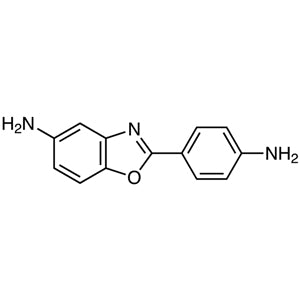
- TCI A3300 13676-47-6 2-(4-Aminophenyl)benzoxazol-5-amine
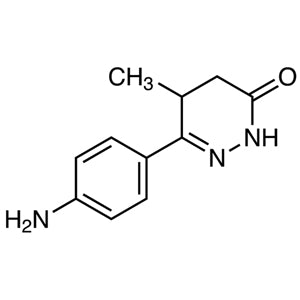
- TCI A2919 36725-28-7 6-(4-Aminophenyl)-4,5-dihydro-5-methyl-3(2H)-pyridazinone
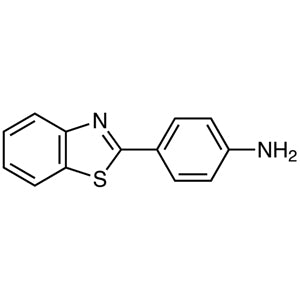
- TCI A2672 6278-73-5 2-(4-Aminophenyl)benzothiazole
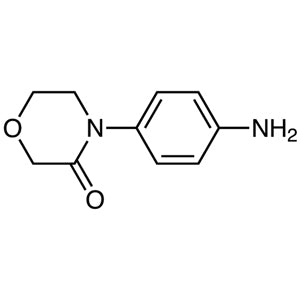
- TCI A2614 438056-69-0 4-(4-Aminophenyl)morpholin-3-one
- Organic synthesis of bioactive compounds due to its reactivity and structural versatility for creating complex heterocyclic frameworks.
- Development of pharmaceuticals through its use in the synthesis of molecules with potential pharmacological effects.
- Industrial chemical synthesis where high reactivity and chemical stability are required for efficient reaction pathways.
- Research in heterocyclic chemistry for the design of novel compounds with specific functional groups and molecular architectures.
- Modification of existing chemical structures to enhance properties such as solubility, bioavailability, or reactivity in targeted applications.
| Brand | TCI |
|---|---|
| CAS number | 84102-58-9 |
| Molecular formula | — |
| Purity | — |
| Category | Chemistry > Building Blocks > Heterocyclic Building Blocks |
| Pack sizes | Available in various quantities as per standard laboratory supply formats |
| Physical form | Solid (exact form may vary based on supplier packaging) |
| Storage | Store in a cool, dry place away from direct sunlight and moisture |
This compound should be stored in a cool, dry environment, away from direct sunlight and moisture to maintain its chemical integrity. It is recommended to use airtight containers made of materials compatible with its chemical properties, such as glass or high-density polyethylene. Due to its reactivity, it should be handled with appropriate personal protective equipment, including gloves and safety goggles. Proper ventilation is essential when working with this compound to minimize exposure to vapors. In laboratory settings, it should be stored separately from incompatible substances to prevent accidental reactions. Regular inspection of storage conditions ensures the compound remains stable and suitable for use in chemical synthesis and research applications.
—
Produk Terkait
-
2,5-Bis(4-aminophenyl)-1,3,4-oxadiazole TCI B2169
Regular price From Rp 1.167.600,00Regular priceRp 831.600,00Sale price From Rp 1.167.600,00 -
2,5-Bis(4-diethylaminophenyl)-1,3,4-oxadiazole TCI B1066
Regular price Rp 1.431.150,00Regular priceRp 1.016.400,00Sale price Rp 1.431.150,00 -
2-(4-Aminophenyl)benzoxazol-5-amine TCI A3300
Regular price From Rp 2.384.550,00Regular priceRp 1.683.150,00Sale price From Rp 2.384.550,00 -
6-(4-Aminophenyl)-4,5-dihydro-5-methyl-3(2H)-pyridazinone TCI A2919
Regular price Rp 1.723.050,00Regular priceRp 1.220.100,00Sale price Rp 1.723.050,00 -
2-(4-Aminophenyl)benzothiazole TCI A2672
Regular price Rp 1.351.350,00Regular priceRp 960.750,00Sale price Rp 1.351.350,00 -
4-(4-Aminophenyl)morpholin-3-one TCI A2614
Regular price From Rp 530.250,00Regular priceRp 386.400,00Sale price From Rp 530.250,00 -
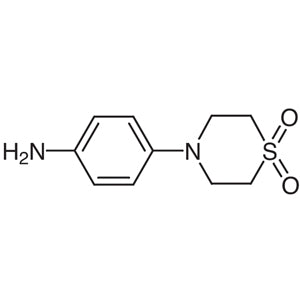
4-(4-Aminophenyl)thiomorpholine1,1-Dioxide TCI A1669
Regular price From Rp 1.723.050,00Regular priceRp 1.220.100,00Sale price From Rp 1.723.050,00 -
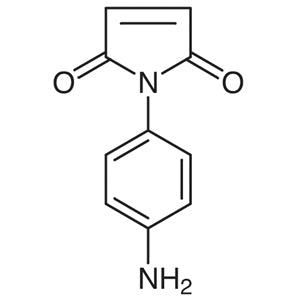
N-(4-Aminophenyl)maleimide TCI A0825
Regular price Rp 3.445.050,00Regular priceRp 2.424.450,00Sale price Rp 3.445.050,00