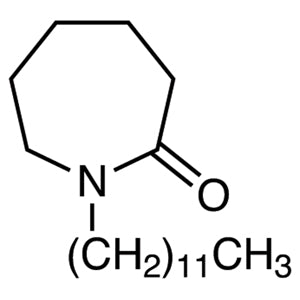
Anisoyl-NHS (N-hydroxysuccinimide anisoyl) is a chemical compound widely used in pharmaceutical research and development. This reagent plays a crucial role in laboratory settings, particularly in the field of drug delivery systems. It is commonly employed for modifying molecular structures to enhance the effectiveness and specificity of drug delivery. Its ability to form covalent bonds with target molecules makes it an essential tool in the development of targeted therapies. Anisoyl-NHS is also used in the study of molecular interactions on surfaces, contributing to the advancement of bioconjugate research. Its unique chemical properties make it a valuable asset in both pharmacological and biochemical studies.
The key properties that make Anisoyl-NHS a preferred choice include its high reactivity and selectivity when reacting with amino groups on target molecules. This reactivity allows for the formation of stable and specific covalent bonds, which is critical in drug conjugation and surface modification applications. Additionally, its stability under controlled laboratory conditions ensures consistent performance and reliability in research experiments. These characteristics make it a reliable and efficient reagent for various scientific investigations.
In Indonesian laboratories, Anisoyl-NHS is commonly used in pharmaceutical development and drug discovery research. It is a key component in the design of drug delivery systems and the modification of therapeutic molecules. Its application extends to bioconjugate research and surface chemistry studies, supporting a wide range of scientific endeavors. Due to its reactivity and stability, it is a frequently used reagent in both academic and industrial research settings.
- Pharmaceutical Development and Drug Discovery Research: Anisoyl-NHS is used to modify drug molecules, improving their targeting and delivery efficiency.
- Drug Delivery Systems (DDS): It enables the creation of targeted drug carriers by forming covalent bonds with specific molecular sites.
- Bioconjugate Research: This reagent is essential for attaching functional groups to biomolecules, enhancing their interaction with biological targets.
- Surface Chemistry Studies: Anisoyl-NHS facilitates molecular attachment to surfaces, useful in the development of biosensors and nanomaterials.
- Pharmacological and Biochemical Investigations: Its ability to react with amino groups makes it ideal for studying molecular interactions and drug mechanisms.
| Brand | TCI |
|---|---|
| CAS number | 30364-57-9 |
| Molecular formula | — |
| Purity | — |
| Category | Chemistry > Pharmaceutical Development and Drug Discovery Research Reagents > Drug Delivery Systems (DDS) |
| Pack sizes | — |
| Physical form | — |
| Storage | Store in a cool, dry place away from light and moisture |
Anisoyl-NHS should be stored in a cool, dry place, away from light and moisture to maintain its stability and reactivity. It is recommended to use airtight containers to prevent exposure to air and contaminants. Due to its high reactivity, it should be handled with care to avoid unwanted side reactions. Proper personal protective equipment, such as gloves and safety goggles, should be worn during handling. The reagent should be kept in a well-ventilated area to minimize any potential risks associated with its chemical nature. Regular monitoring of storage conditions ensures the reagent remains effective for research applications.
—
Product Categories
Produk Terkait
-
(-)-Di-p-anisoyl-L-tartaricAcid TCI D3491
Regular price Rp 2.942.100,00Regular priceRp 2.072.700,00Sale price Rp 2.942.100,00 -
(+)-Di-p-anisoyl-D-tartaricAcid TCI D3490
Regular price From Rp 769.650,00Regular priceRp 537.600,00Sale price From Rp 769.650,00 -
Laurocapram TCI L0317
Regular price From Rp 2.068.500,00Regular priceRp 1.461.600,00Sale price From Rp 2.068.500,00 -
4,4'-[2-(4-Bromophenyl)-2-phenylethene-1,1-diyl]diphenol TCI B6579
Regular price Rp 7.712.250,00Regular priceRp 5.392.800,00Sale price Rp 7.712.250,00