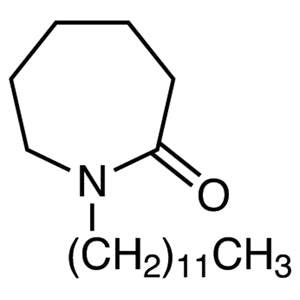
Laurocapram is a chemical compound widely used as a foundational material in various chemical reactions, particularly in the synthesis of organic compounds. It belongs to the category of non-heterocyclic building blocks, making it a preferred choice for reactions requiring simple yet effective molecular structures. As an active ingredient, Laurocapram plays a crucial role in the formation of specific compounds with broad applications in pharmaceuticals, chemical industries, and scientific research. Its chemical stability and controlled reactivity make it a reliable option for diverse laboratory conditions.
Laurocapram is known for its stable chemical properties and predictable reactivity, which allow it to be used effectively in a variety of laboratory settings. Its chemical inertness ensures that it does not interfere with other reaction components, making it ideal for controlled synthetic processes. Additionally, its availability in liquid form simplifies handling and integration into chemical protocols. These characteristics contribute to its widespread use in both academic and industrial research environments.
In Indonesian laboratories, Laurocapram is commonly used in chemical research for the synthesis of new compounds, the development of pharmaceutical products, and the testing of raw material viability. Its relevance extends to educational and scientific research that requires high-quality chemical building blocks. Its reliability and versatility make it a valuable resource for researchers and educators alike.
TCI brochures (PDF)
- Pharmaceutical Ingredients for Research and Experimental Use 2026-03-09 · p. 50
- Reagents for Biological Research 2025-03-11 · p. 50
- Organic synthesis applications benefit from Laurocapram's role as a non-heterocyclic building block, enabling the creation of complex molecules through controlled reactions.
- Pharmaceutical research utilizes Laurocapram for the development of new drug compounds, leveraging its stability and reactivity in synthetic pathways.
- Chemical process optimization relies on Laurocapram's predictable behavior, allowing for precise control in industrial and academic settings.
- Educational laboratories use Laurocapram to teach fundamental chemical synthesis techniques, providing students with hands-on experience in organic chemistry.
- Material testing in research environments employs Laurocapram to evaluate the performance of raw materials under various chemical conditions.
| Brand | TCI |
|---|---|
| CAS number | 59227-89-3 |
| Molecular formula | — |
| Purity | — |
| Category | Chemistry > Building Blocks > Non-Heterocyclic Building Blocks |
| Pack sizes | Available in standard laboratory quantities |
| Physical form | Liquid |
| Storage | Store in a cool, dry place away from direct light |
Laurocapram should be stored in a cool, dry environment, away from direct sunlight and sources of heat. It is recommended to keep it in a sealed container to prevent contamination and evaporation. Due to its liquid form, it should be stored in airtight glass or plastic containers that are resistant to chemical reactions. General laboratory precautions include ensuring proper ventilation when handling the compound and using appropriate personal protective equipment. It is important to avoid exposure to incompatible substances and to follow standard safety protocols for chemical handling. Regular inspection of storage conditions ensures the compound remains stable and suitable for use in laboratory applications.
—
Product Categories
- Biochemicals and ReagentsPharmaceutical Research Reagents (for Experimental Use)Cosmetic Research Reagents (for Experimental Use)
- Pharmaceutical Development and Drug Discovery ResearchPharmaceutical Research Reagents (for Experimental Use)Cosmetic Research Reagents (for Experimental Use)
- Pharmaceutical Development and Drug Discovery ResearchDrug Delivery Systems (DDS)Drug Delivery Systems (DDS) Research Reagents (Others)
Produk Terkait
-
Triethylhexanoin TCI T4161
Regular price From Rp 795.900,00Regular priceRp 572.250,00Sale price From Rp 795.900,00 -
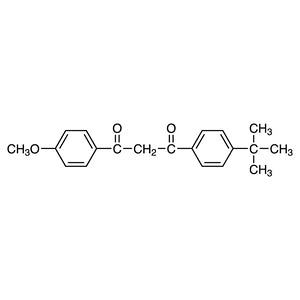
Avobenzone TCI B3382
Regular price From Rp 928.200,00Regular priceRp 664.650,00Sale price From Rp 928.200,00 -
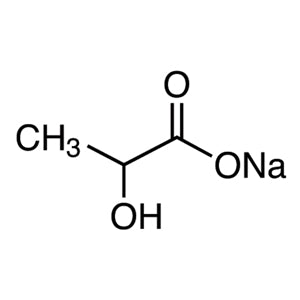
SodiumDL-Lactate(60%inWater) TCI S0928
Regular price Rp 875.700,00Regular priceRp 627.900,00Sale price Rp 875.700,00 -
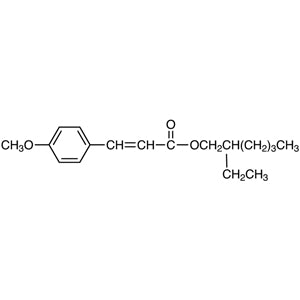
2-Ethylhexyl4-Methoxycinnamate TCI M1082
Regular price From Rp 1.113.000,00Regular priceRp 793.800,00Sale price From Rp 1.113.000,00 -
Hinokitiol TCI H0142
Regular price From Rp 742.350,00Regular priceRp 534.450,00Sale price From Rp 742.350,00 -
n-OctylGallate TCI G0206
Regular price From Rp 1.643.250,00Regular priceRp 1.164.450,00Sale price From Rp 1.643.250,00 -
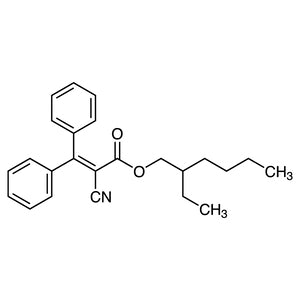
2-Ethylhexyl2-Cyano-3,3-diphenylacrylate TCI C0968
Regular price From Rp 822.150,00Regular priceRp 590.100,00Sale price From Rp 822.150,00 -
HyaluronicAcidSodiumSaltfromBacteria TCI H1791
Regular price From Rp 1.988.700,00Regular priceRp 1.405.950,00Sale price From Rp 1.988.700,00