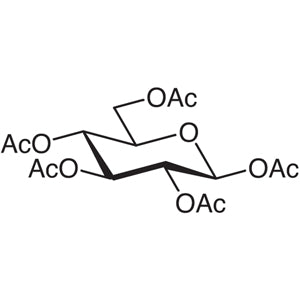
1,3,4,6-Tetra-O-acetyl-2-amino-2-deoxy-beta-D-glucopyranose Hydrochloride is a chemical compound widely used in chemical biology and glycoscience research. As a glycosidic derivative of glucose, it plays a key role in enzymatic reactions related to glycosylation. This compound is particularly valuable in laboratories where the study of carbohydrate structures and their biological functions is essential. Its chemical stability and solubility in organic solvents make it a versatile reagent for various biochemical applications.
The compound's unique molecular structure and chemical properties make it a preferred choice for researchers. Its acetylated hydroxyl groups enhance its reactivity and specificity in enzymatic assays. Additionally, its solubility in solvents such as ethyl acetate and acetone facilitates its use in a wide range of experimental conditions. These characteristics contribute to its widespread application in both basic and applied research.
In Indonesian laboratories, this compound is commonly used in metabolic disease research, drug development, and enzyme mechanism studies. Its availability and reliability make it a go-to material for scientists working on carbohydrate-related projects. Its role in understanding molecular interactions and biological activities further solidifies its importance in the scientific community.
Related TCI products
- TCI A1459 7772-79-4 2-Acetamido-1,3,4,6-tetra-O-acetyl-2-deoxy-beta-D-glucopyranose
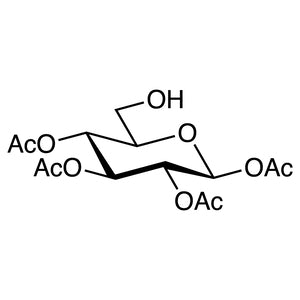
- TCI T2811 13100-46-4 1,2,3,4-Tetra-O-acetyl-beta-D-glucopyranose
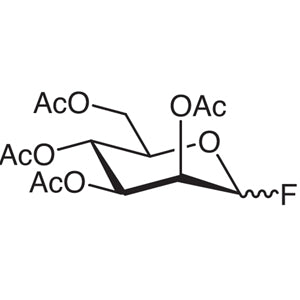
- TCI T2567 174511-17-2 2,3,4,6-Tetra-O-acetyl-D-mannopyranosyl Fluoride
- TCI T2110 50615-66-2 2,3,4,6-Tetra-O-acetyl-1-thio-beta-D-galactopyranose
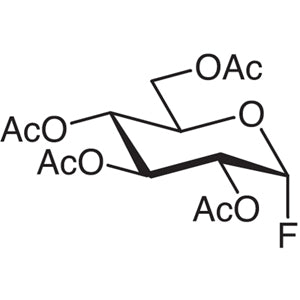
- TCI T1995 3934-29-0 2,3,4,6-Tetra-O-acetyl-alpha-D-glucopyranosyl Fluoride
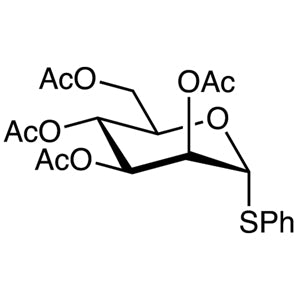
- TCI P2521 108032-93-5 Phenyl 2,3,4,6-Tetra-O-acetyl-1-thio-alpha-D-mannopyranoside
- Metabolic Disease Research: This compound is used to study the biochemical pathways involved in metabolic disorders due to its role in glycosylation processes.
- Drug Development: It serves as a substrate or inhibitor in enzymatic reactions, aiding in the discovery and testing of new therapeutic agents.
- Enzyme Mechanism Studies: Its structure allows researchers to investigate how enzymes interact with carbohydrate substrates, providing insights into catalytic mechanisms.
- Glycoscience Research: It is a key reagent in experiments focused on carbohydrate chemistry and their biological implications.
- Structural Analysis of Carbohydrates: Its stability and solubility make it suitable for structural studies and functional analysis of complex carbohydrates.
| Brand | TCI |
|---|---|
| CAS number | 10034-20-5 |
| Molecular formula | — |
| Purity | — |
| Category | Chemistry > Chemical Biology > Glycoscience |
| Pack sizes | — |
| Physical form | — |
| Storage | Store in a cool, dry place away from moisture and light |
This compound should be stored in a cool, dry place, away from moisture and direct light to maintain its chemical stability. It is recommended to use airtight containers to prevent exposure to humidity, which could affect its solubility and reactivity. Due to its chemical nature, it should be handled with appropriate laboratory safety measures, such as wearing gloves and safety goggles. While it is not classified as hazardous under standard conditions, proper ventilation should be maintained when working with it. The compound is stable under normal storage conditions and does not require refrigeration unless specified otherwise. Always ensure that the workspace is clean and free from contaminants to preserve the integrity of the compound during experiments.
—
Product Categories
Produk Terkait
-
2-Acetamido-1,3,4,6-tetra-O-acetyl-2-deoxy-beta-D-glucopyranose TCI A1459
Regular price From Rp 1.087.800,00Regular priceRp 775.950,00Sale price From Rp 1.087.800,00 -
1,2,3,4-Tetra-O-acetyl-beta-D-glucopyranose TCI T2811
Regular price Rp 5.672.100,00Regular priceRp 3.981.600,00Sale price Rp 5.672.100,00 -
2,3,4,6-Tetra-O-acetyl-D-mannopyranosylFluoride TCI T2567
Regular price From Rp 5.512.500,00Regular priceRp 3.870.300,00Sale price From Rp 5.512.500,00 -
2,3,4,6-Tetra-O-acetyl-1-thio-beta-D-galactopyranose TCI T2110
Regular price Rp 2.835.000,00Regular priceRp 1.998.150,00Sale price Rp 2.835.000,00 -
2,3,4,6-Tetra-O-acetyl-alpha-D-glucopyranosylFluoride TCI T1995
Regular price Rp 3.365.250,00Regular priceRp 2.368.800,00Sale price Rp 3.365.250,00 -
Phenyl2,3,4,6-Tetra-O-acetyl-1-thio-alpha-D-mannopyranoside TCI P2521
Regular price Rp 5.855.850,00Regular priceRp 4.110.750,00Sale price Rp 5.855.850,00 -
Penta-O-acetyl-beta-D-glucopyranose TCI P0028
Regular price From Rp 1.696.800,00Regular priceRp 1.202.250,00Sale price From Rp 1.696.800,00 -
Penta-O-acetyl-alpha-D-glucopyranose TCI G0225
Regular price From Rp 1.087.800,00Regular priceRp 775.950,00Sale price From Rp 1.087.800,00