Butyl Benzenesulfonate (CAS No. 80-44-4) is a chemical compound widely used as a building block in organic synthesis. It serves as a key reagent in various chemical reactions, particularly those involving sulfonate substitution or esterification processes. In laboratory settings, this compound plays a crucial role in the development of complex molecules, including pharmaceuticals, industrial chemicals, and other organic compounds. Its versatility makes it an essential component for chemists working on advanced synthesis projects.
The compound is valued for its chemical stability under controlled conditions, although it remains sensitive to moisture and air exposure. It possesses a distinct aroma and is readily soluble in organic solvents, which enhances its utility in diverse chemical applications. These properties make it a preferred choice for reactions requiring both reactivity and stability. Its solubility and reactivity allow it to participate effectively in high-temperature and high-reactivity environments, making it a reliable reagent for synthetic chemistry.
In Indonesian laboratories, Butyl Benzenesulfonate is commonly used by researchers and scientists for experimental purposes, product development, and the synthesis of new compounds. It is also an important material in higher-level chemistry education, where it is used in practical sessions to teach organic reaction mechanisms and synthesis techniques. Its presence in academic and industrial research settings underscores its importance in the chemical sciences.
Related TCI products
- Organic synthesis applications benefit from Butyl Benzenesulfonate due to its reactivity in sulfonate substitution reactions, enabling the creation of complex organic molecules.
- Pharmaceutical research utilizes this compound as a building block for the synthesis of drug compounds, contributing to the development of new therapeutic agents.
- Industrial chemical production relies on Butyl Benzenesulfonate for the manufacture of specialty chemicals, supporting various manufacturing processes.
- Educational institutions incorporate this material into chemistry courses to demonstrate esterification and sulfonation reactions, enhancing student understanding of organic chemistry.
- Research laboratories use it for the development of new materials and compounds, leveraging its chemical properties for innovative applications.
| Brand | TCI |
|---|---|
| CAS number | 80-44-4 |
| Molecular formula | — |
| Purity | — |
| Category | Chemistry > Building Blocks > Non-Heterocyclic Building Blocks |
| Pack sizes | Available in various quantities as per standard laboratory supply |
| Physical form | Liquid |
| Storage | Store in a cool, dry place away from moisture and direct sunlight |
Butyl Benzenesulfonate should be stored in a cool, dry environment to prevent degradation due to moisture exposure. It is recommended to use airtight containers to minimize contact with air and reduce the risk of oxidation. The compound should be kept away from heat sources and direct sunlight to maintain its chemical stability. Proper labeling of containers is essential for safe handling and identification. In laboratory settings, personal protective equipment such as gloves and safety goggles should be worn when handling this material to ensure safety. Regular monitoring of storage conditions is advised to maintain the integrity of the compound.
—
Produk Terkait
-
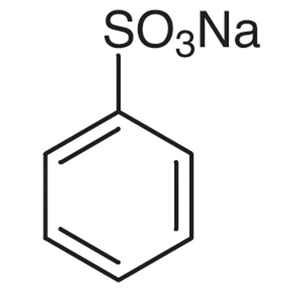
SodiumBenzenesulfonate TCI B0035
Regular price From Rp 875.700,00Regular priceRp 612.150,00Sale price From Rp 875.700,00 -
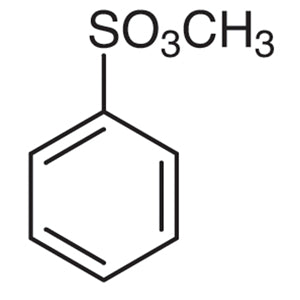
MethylBenzenesulfonate TCI B0033
Regular price From Rp 848.400,00Regular priceRp 593.250,00Sale price From Rp 848.400,00 -
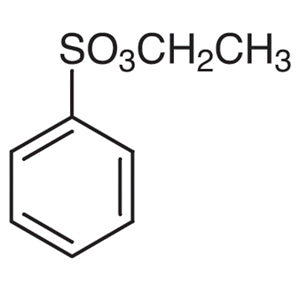
EthylBenzenesulfonate TCI B0032
Regular price From Rp 1.035.300,00Regular priceRp 723.450,00Sale price From Rp 1.035.300,00 -
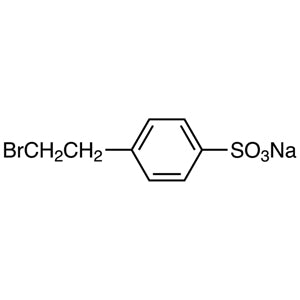
Sodium4-(2-Bromoethyl)benzenesulfonate TCI S0484
Regular price From Rp 2.439.150,00Regular priceRp 1.705.200,00Sale price From Rp 2.439.150,00 -
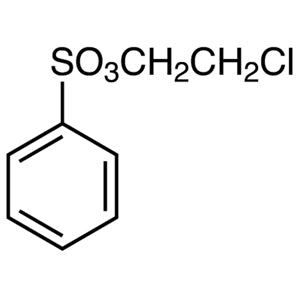
2-ChloroethylBenzenesulfonate TCI C2230
Regular price From Rp 1.565.550,00Regular priceRp 1.094.100,00Sale price From Rp 1.565.550,00 -
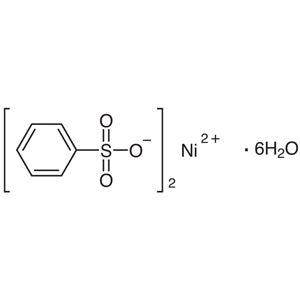
Nickel(II)BenzenesulfonateHexahydrate TCI B0034
Regular price Rp 1.988.700,00Regular priceRp 1.390.200,00Sale price Rp 1.988.700,00 -
Sodium2,6-Dinitro-4-(trifluoromethyl)benzenesulfonate TCI D2011
Regular price From Rp 5.990.250,00Regular priceRp 4.188.450,00Sale price From Rp 5.990.250,00