Sodium benzenesulfonate is a chemical compound widely used in various laboratory reactions. It is an organic compound with a benzene ring structure and a sulfonate group attached to a carbon atom. In the laboratory, sodium benzenesulfonate serves as a key building block for the synthesis of other compounds, particularly in substitution or electrophilic reactions. Its reactivity makes it essential in the development of functional compounds and industrial chemical products.
This compound is preferred due to its excellent solubility in water and its ability to act as an electron donor in chemical reactions. These properties make it highly suitable for applications requiring high reactivity and participation in diverse chemical processes. Additionally, sodium benzenesulfonate exhibits chemical stability under specific conditions, which enhances its reliability in controlled laboratory environments.
In Indonesian laboratories, sodium benzenesulfonate is commonly used in chemical research, including the synthesis of aromatic compounds, pharmaceutical development, and industrial chemical innovation. Its versatility and chemical properties make it a valuable resource for researchers and chemists working on a wide range of projects.
Related TCI products
- Aromatic Compound Synthesis: Sodium benzenesulfonate is widely used in the synthesis of aromatic compounds due to its reactivity and ability to participate in electrophilic substitution reactions.
- Pharmaceutical Development: It serves as a precursor in the creation of various pharmaceutical compounds, providing a stable and reactive building block for drug synthesis.
- Industrial Chemical Innovation: Its chemical properties make it ideal for the development of industrial chemicals, supporting the production of functional materials and specialty compounds.
- Organic Reaction Research: Sodium benzenesulfonate is frequently employed in organic chemistry research to explore new reaction pathways and synthetic methods.
- Analytical Chemistry Applications: It is used in analytical procedures to test reactivity and solubility properties of other compounds under controlled conditions.
| Brand | TCI |
|---|---|
| CAS number | 515-42-4 |
| Molecular formula | — |
| Purity | — |
| Category | Chemistry > Building Blocks > Non-Heterocyclic Building Blocks |
| Pack sizes | Available in various quantities as per standard laboratory supply |
| Physical form | White crystalline solid |
| Storage | Store in a cool, dry place away from moisture and direct sunlight |
Sodium benzenesulfonate should be stored in a cool, dry place, away from moisture and direct sunlight. It is recommended to use airtight containers to prevent exposure to humidity, which can affect its chemical stability. Due to its reactivity, it should be handled with care, using appropriate personal protective equipment such as gloves and safety goggles. It is important to ensure proper ventilation in the laboratory when working with this compound to avoid inhalation of fumes. Avoid contact with incompatible materials such as strong bases or oxidizing agents. Regular inspection of storage conditions is advised to maintain the integrity and safety of the compound.
—
Produk Terkait
-
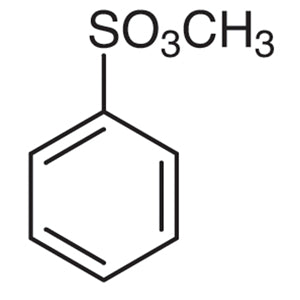
MethylBenzenesulfonate TCI B0033
Regular price From Rp 848.400,00Regular priceRp 593.250,00Sale price From Rp 848.400,00 -
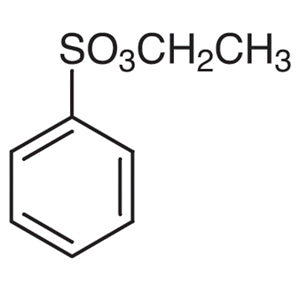
EthylBenzenesulfonate TCI B0032
Regular price From Rp 1.035.300,00Regular priceRp 723.450,00Sale price From Rp 1.035.300,00 -
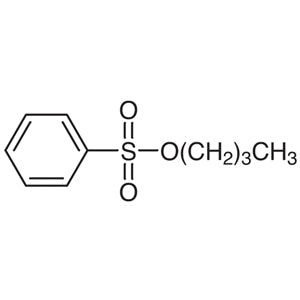
ButylBenzenesulfonate TCI B0031
Regular price Rp 1.405.950,00Regular priceRp 982.800,00Sale price Rp 1.405.950,00 -
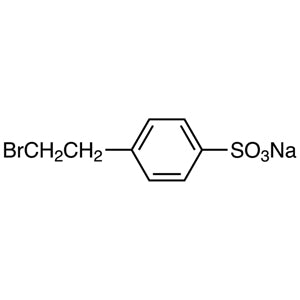
Sodium4-(2-Bromoethyl)benzenesulfonate TCI S0484
Regular price From Rp 2.439.150,00Regular priceRp 1.705.200,00Sale price From Rp 2.439.150,00 -
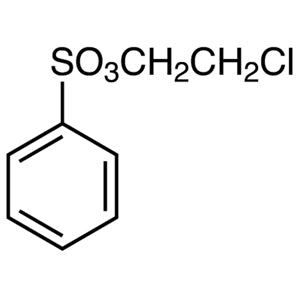
2-ChloroethylBenzenesulfonate TCI C2230
Regular price From Rp 1.565.550,00Regular priceRp 1.094.100,00Sale price From Rp 1.565.550,00 -
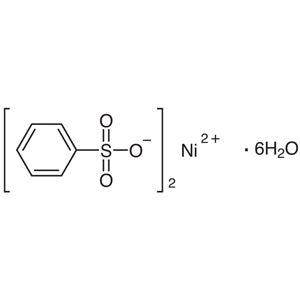
Nickel(II)BenzenesulfonateHexahydrate TCI B0034
Regular price Rp 1.988.700,00Regular priceRp 1.390.200,00Sale price Rp 1.988.700,00 -
Sodium2,6-Dinitro-4-(trifluoromethyl)benzenesulfonate TCI D2011
Regular price From Rp 5.990.250,00Regular priceRp 4.188.450,00Sale price From Rp 5.990.250,00