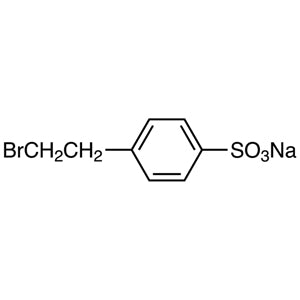
Sodium 4-(2-Bromoethyl)benzenesulfonate is a chemical compound widely used in organic synthesis as a building block for the creation of complex organic molecules. This reagent plays a crucial role in laboratory settings where researchers aim to develop new compounds with specific functional groups or structural features. Its versatility makes it an essential component in various synthetic pathways, particularly in the preparation of heterocyclic compounds and carbon-based structures. Due to its reactivity and ability to participate in multiple reaction types, it is highly valued in both academic and industrial research environments.
The compound is preferred for its chemical stability under controlled conditions and its ability to undergo substitution reactions, esterification, and electrophilic substitution. Its reactivity allows it to form a variety of derivatives, making it a key reagent in functional group transformations. Additionally, its compatibility with a wide range of solvents and reaction conditions enhances its utility in diverse synthetic strategies. These properties make it a reliable and efficient choice for chemists working on complex molecular synthesis.
In Indonesian laboratories, Sodium 4-(2-Bromoethyl)benzenesulfonate is commonly used in organic chemistry research, particularly in universities and research institutions. It is a staple in laboratories focused on drug discovery, material science, and chemical engineering. Its application is widespread due to its effectiveness in producing complex organic structures and its adaptability to various experimental conditions.
- Organic synthesis for the preparation of heterocyclic compounds due to its reactivity and structural versatility.
- Esterification reactions where it serves as a functional group modifier in the creation of ester derivatives.
- Electrophilic substitution reactions where it acts as a key reagent for introducing brominated functional groups.
- Drug development processes involving the synthesis of complex organic molecules with specific biological activity.
- Material science research for the fabrication of polymers and other advanced chemical materials through controlled chemical reactions.
| Brand | TCI |
|---|---|
| CAS number | 65036-65-9 |
| Molecular formula | — |
| Purity | — |
| Category | Chemistry > Building Blocks > Non-Heterocyclic Building Blocks |
| Pack sizes | Available in various quantities as per standard laboratory supply formats |
| Physical form | Solid powder |
| Storage | Must be stored in a dry, sealed container away from moisture and air exposure |
Sodium 4-(2-Bromoethyl)benzenesulfonate should be stored in a dry, cool environment to prevent moisture absorption and degradation. It is recommended to use airtight containers made of glass or high-density polyethylene to ensure stability. Due to its potential to cause skin and eye irritation, appropriate personal protective equipment such as gloves and safety goggles should be worn when handling. The compound should be kept away from heat sources and incompatible materials. Regular monitoring of storage conditions is essential to maintain its chemical integrity and ensure safe usage in laboratory settings.
—
Produk Terkait
-
4-(2-Bromoethyl)benzenesulfonicAcid TCI B2006
Regular price From Rp 2.571.450,00Regular price -
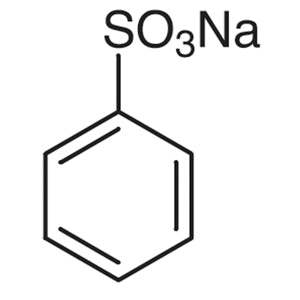
SodiumBenzenesulfonate TCI B0035
Regular price From Rp 875.700,00Regular price -
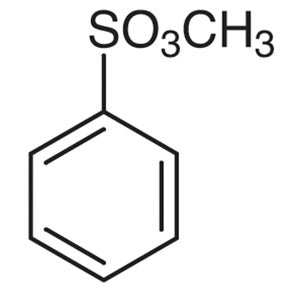
MethylBenzenesulfonate TCI B0033
Regular price From Rp 848.400,00Regular price -
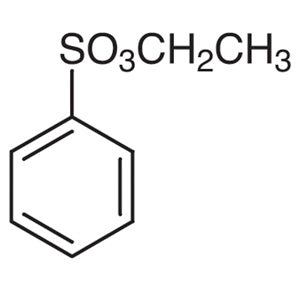
EthylBenzenesulfonate TCI B0032
Regular price From Rp 1.035.300,00Regular price -
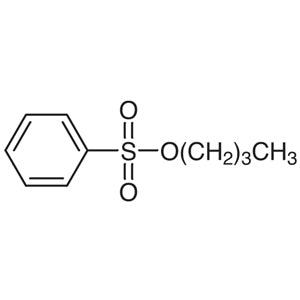
ButylBenzenesulfonate TCI B0031
Regular price Rp 1.405.950,00Regular price -
2-ChloroethylBenzenesulfonate TCI C2230
Regular price From Rp 1.565.550,00Regular price -
2-BromoethylAcetate TCI A0023
Regular price From Rp 1.431.150,00Regular price -
Benzyl2-BromoethylEther TCI B2817
Regular price From Rp 2.174.550,00Regular price