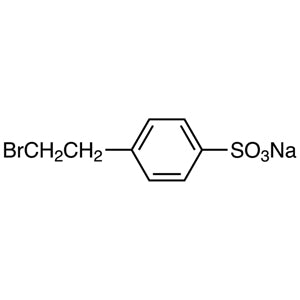
4-(2-Bromoethyl)benzenesulfonic Acid is a chemical compound widely used in organic synthesis reactions. It serves as a key building block in the development of complex chemical structures, playing a crucial role in laboratory settings where synthetic chemistry is practiced. This compound is commonly found in chemical laboratories as a foundational material for creating a variety of synthetic compounds. Its versatility makes it an essential component in the toolkit of chemists working on diverse research projects.
The compound's reactivity is largely attributed to the presence of both bromo and sulfonate functional groups, which contribute to its high reactivity. These groups enable it to participate in substitution and electrophilic reactions, making it highly valuable in the synthesis of both heterocyclic and non-heterocyclic compounds. Its chemical structure allows for a wide range of chemical transformations, which is why it is frequently used in advanced synthetic pathways.
In Indonesian laboratories, this compound is particularly relevant for organic chemistry research, especially in academic and research institutions. It is often utilized in projects focused on the synthesis of pharmacological compounds and other specialized chemical materials. Its stability under certain conditions also makes it suitable for use in various research scales, from small-scale experiments to larger, more complex studies.
Related TCI products
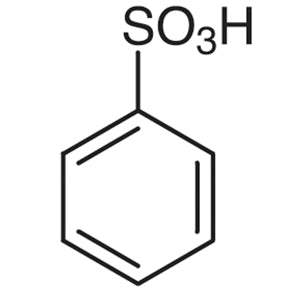
- TCI B3408 98-11-3 Benzenesulfonic Acid Anhydrous
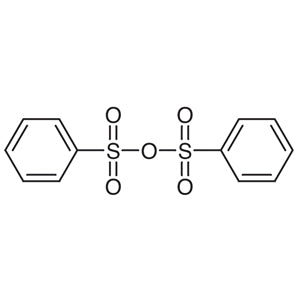
- TCI B1931 512-35-6 Benzenesulfonic Anhydride
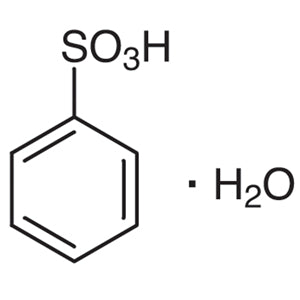
- TCI B0030 26158-00-9 Benzenesulfonic Acid Monohydrate
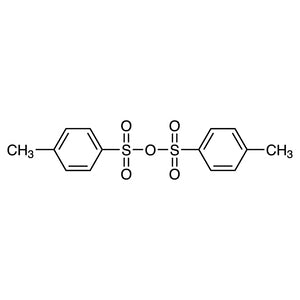
- TCI T1485 4124-41-8 p-Toluenesulfonic Anhydride
- TCI T0267 6192-52-5 p-Toluenesulfonic Acid Monohydrate
- TCI S0484 65036-65-9 Sodium 4-(2-Bromoethyl)benzenesulfonate
- Organic synthesis projects benefit from this compound due to its reactivity and ability to form diverse chemical structures.
- It is ideal for electrophilic substitution reactions because of its sulfonate group, which enhances reactivity in synthetic pathways.
- In pharmaceutical research, it is used to develop new drug compounds by participating in key synthetic steps.
- It supports the creation of heterocyclic compounds, which are essential in medicinal chemistry and material science.
- Its stability and solubility properties make it suitable for use in both academic and industrial research settings.
| Brand | TCI |
|---|---|
| CAS number | 54322-31-5 |
| Molecular formula | — |
| Purity | — |
| Category | Chemistry > Building Blocks > Non-Heterocyclic Building Blocks |
| Pack sizes | Available in various quantities as per supplier offerings |
| Physical form | Solid or liquid, depending on the specific formulation |
| Storage | Store in a cool, dry place away from direct sunlight and incompatible materials |
This compound should be stored in a cool, dry environment to maintain its chemical integrity. It is recommended to keep it in a tightly sealed container to prevent exposure to moisture and air, which could affect its reactivity. Due to its chemical nature, it should be stored away from incompatible substances such as strong oxidizers or bases. Proper ventilation is essential when handling this material to minimize exposure risks. Laboratory personnel should always use appropriate personal protective equipment, including gloves and safety goggles, when working with this compound. Regular inspection of storage conditions is advised to ensure the material remains stable and safe for use.
—
Produk Terkait
-
BenzenesulfonicAcidAnhydrous TCI B3408
Regular price Rp 1.565.550,00Regular priceRp 1.094.100,00Sale price Rp 1.565.550,00 -
BenzenesulfonicAnhydride TCI B1931
Regular price From Rp 5.062.050,00Regular priceRp 3.539.550,00Sale price From Rp 5.062.050,00 -
BenzenesulfonicAcidMonohydrate TCI B0030
Regular price From Rp 743.400,00Regular priceRp 519.750,00Sale price From Rp 743.400,00 -
p-ToluenesulfonicAnhydride TCI T1485
Regular price From Rp 1.749.300,00Regular priceRp 1.223.250,00Sale price From Rp 1.749.300,00 -
p-ToluenesulfonicAcidMonohydrate TCI T0267
Regular price From Rp 477.750,00Regular priceRp 333.900,00Sale price From Rp 477.750,00 -
Sodium4-(2-Bromoethyl)benzenesulfonate TCI S0484
Regular price From Rp 2.439.150,00Regular priceRp 1.705.200,00Sale price From Rp 2.439.150,00 -
4-HydroxybenzenesulfonicAcid TCI P0104
Regular price From Rp 505.050,00Regular priceRp 352.800,00Sale price From Rp 505.050,00 -
4-NitrobenzenesulfonicAcid TCI N0140
Regular price From Rp 3.312.750,00Regular priceRp 2.316.300,00Sale price From Rp 3.312.750,00