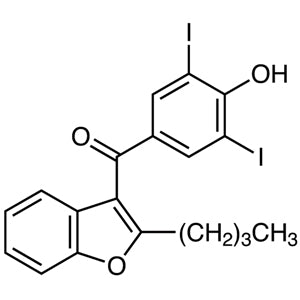
2,3-Benzofuran is a heterocyclic compound widely used in chemical reactions for the synthesis of complex molecules. It is a key building block in organic chemistry, particularly in the development of new compounds and functional materials. Its aromatic ring structure, containing two oxygen atoms, provides a stable yet reactive framework that is essential in various synthetic pathways. In the laboratory, this compound serves as a versatile reagent, enabling chemists to explore a wide range of reaction mechanisms and molecular transformations. Its presence in research settings underscores its importance in both academic and industrial chemical investigations.
The compound's chemical properties make it a preferred choice for organic synthesis. It exhibits stability against oxidation and is capable of participating in multiple types of reactions, including Diels-Alder and electrophilic substitution reactions. These characteristics allow it to be a reliable reagent in controlled experimental conditions. Additionally, its relatively high boiling and melting points facilitate purification and isolation processes, making it easier to handle in laboratory environments. The solid form of 2,3-Benzofuran also enhances its usability and storage convenience, reducing the risk of contamination and degradation.
In Indonesian laboratories, 2,3-Benzofuran is commonly used by chemists for the synthesis of new compounds, drug development, and organic material research. Its role in these applications highlights its significance in advancing chemical innovation. Researchers rely on its predictable behavior and stability to conduct experiments with confidence, ensuring consistent results in their work.
Related TCI products
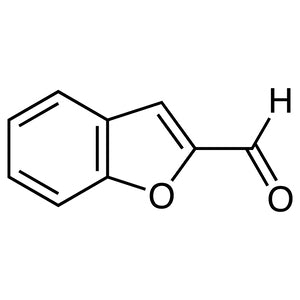
- TCI B5282 4265-16-1 Benzofuran-2-carbaldehyde
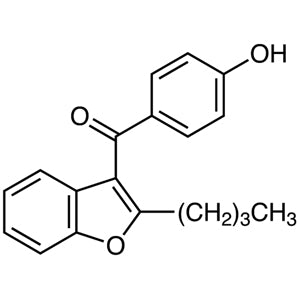
- TCI B3339 52490-15-0 2-Butyl-3-(4-hydroxybenzoyl)benzofuran
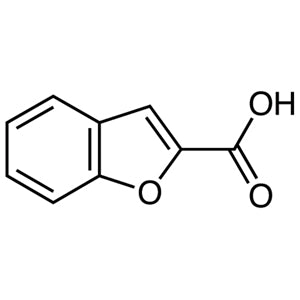
- TCI B1981 496-41-3 Benzofuran-2-carboxylic Acid
- TCI A1966 84102-58-9 5-Amino-2-(4-aminophenyl)benzofuran
- TCI B6964 2172929-14-3 7-Bromonaphtho[1,2-b]benzofuran
- TCI B6950 1846601-95-3 10-Bromonaphtho[1,2-b]benzofuran
- Organic synthesis applications benefit from 2,3-Benzofuran's stable structure and reactivity, enabling the creation of complex molecules with high precision.
- Drug development projects utilize this compound due to its ability to participate in various chemical reactions that are essential for synthesizing pharmaceutical compounds.
- Material science research incorporates 2,3-Benzofuran to develop new organic materials with unique properties, such as conductivity or optical characteristics.
- Analytical chemistry experiments use this compound as a reference standard for identifying and quantifying other substances in complex mixtures.
- Environmental studies may employ 2,3-Benzofuran to investigate the behavior of heterocyclic compounds in different chemical environments and their potential impact.
| Brand | TCI |
|---|---|
| CAS number | 271-89-6 |
| Molecular formula | — |
| Purity | — |
| Category | Chemistry > Building Blocks > Heterocyclic Building Blocks |
| Pack sizes | Available in standard laboratory quantities |
| Physical form | Solid |
| Storage | Store in a cool, dry place away from light and moisture |
2,3-Benzofuran should be stored in a cool, dry environment, away from direct light and moisture to maintain its chemical integrity. It is recommended to use airtight containers to prevent exposure to air and potential contamination. As a solid compound, it is less prone to degradation compared to liquid forms, but proper storage is still essential to ensure long-term stability. Laboratory personnel should handle the compound with care, using appropriate personal protective equipment when necessary. While it is generally safe to work with, adherence to standard laboratory safety protocols is advised to minimize any potential risks associated with its use.
—
Produk Terkait
-
Benzofuran-2-carbaldehyde TCI B5282
Regular price From Rp 1.246.350,00Regular priceRp 887.250,00Sale price From Rp 1.246.350,00 -
2-Butyl-3-(4-hydroxybenzoyl)benzofuran TCI B3339
Regular price Rp 4.902.450,00Regular priceRp 3.444.000,00Sale price Rp 4.902.450,00 -
Benzofuran-2-carboxylicAcid TCI B1981
Regular price From Rp 717.150,00Regular priceRp 516.600,00Sale price From Rp 717.150,00 -
5-Amino-2-(4-aminophenyl)benzofuran TCI A1966
Regular price Rp 3.285.450,00Regular priceRp 2.313.150,00Sale price Rp 3.285.450,00 -
7-Bromonaphtho[1,2-b]benzofuran TCI B6964
Regular price Rp 3.870.300,00Regular priceRp 2.721.600,00Sale price Rp 3.870.300,00 -
10-Bromonaphtho[1,2-b]benzofuran TCI B6950
Regular price From Rp 3.153.150,00Regular priceRp 2.220.750,00Sale price From Rp 3.153.150,00 -
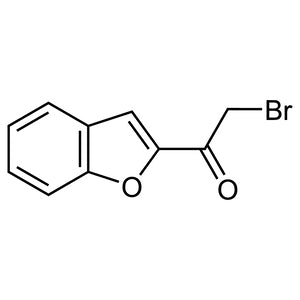
1-(Benzofuran-2-yl)-2-bromoethan-1-one TCI B6800
Regular price Rp 2.411.850,00Regular priceRp 1.702.050,00Sale price Rp 2.411.850,00 -
2-Butyl-3-(4-hydroxy-3,5-diiodobenzoyl)benzofuran TCI B4938
Regular price From Rp 1.563.450,00Regular priceRp 1.108.800,00Sale price From Rp 1.563.450,00